Stress Management Techniques for Seniors
Stress is a common issue that affects seniors due to various factors such as health concerns, financial worries, social isolation, and loss of loved ones. It is essential to address stress in older adults as it can significantly impact their overall well-being and quality of life.
Identifying Common Stressors for Seniors
- Health Issues: Chronic illnesses, pain, and mobility issues can be major stressors for seniors.
- Financial Concerns: Limited income, rising healthcare costs, and uncertainty about the future can lead to stress.
- Social Isolation: Feelings of loneliness and lack of social connections can contribute to stress in seniors.
- Grief and Loss: Dealing with the loss of friends, family members, or independence can be emotionally challenging.
Practical Stress-Relief Strategies for Older Adults
- Regular Exercise: Engaging in physical activities like walking, yoga, or swimming can help reduce stress and improve mood.
- Deep Breathing and Meditation: Practicing deep breathing exercises and meditation techniques can promote relaxation and calmness.
- Maintaining a Healthy Diet: Eating a balanced diet rich in fruits, vegetables, and whole grains can support overall well-being and reduce stress.
- Staying Connected: Building and maintaining social connections with friends, family, or support groups can provide emotional support and reduce feelings of isolation.
The Importance of Stress Management in Seniors’ Well-Being
- Improved Mental Health: Managing stress can help prevent anxiety, depression, and cognitive decline in seniors.
- Better Physical Health: Reducing stress levels can lower the risk of chronic diseases and improve immune function.
- Enhanced Quality of Life: Effective stress management techniques can enhance seniors’ overall quality of life and promote a sense of well-being.
Benefits of Stress Management for Seniors
- Enhanced Sleep Quality: Reduced stress levels can lead to better sleep patterns and overall restfulness.
- Increased Resilience: Seniors who practice stress management techniques are better equipped to cope with life’s challenges and setbacks.
- Positive Outlook: Managing stress can help seniors maintain a positive attitude and outlook on life, leading to greater happiness and satisfaction.
Healthy Lifestyle for Seniors
Maintaining a healthy lifestyle is crucial for seniors to enjoy a high quality of life and reduce the risk of various health issues. By incorporating healthy habits into their daily routines, older adults can promote physical and mental well-being.
Key Components of a Healthy Lifestyle for Seniors, Stress management techniques for seniors
- Eating a balanced diet rich in fruits, vegetables, whole grains, and lean proteins.
- Engaging in regular physical activity such as walking, swimming, or yoga to improve strength and flexibility.
- Getting an adequate amount of sleep to support overall health and cognitive function.
- Staying socially connected with friends and family to prevent feelings of isolation and loneliness.
- Managing stress through relaxation techniques like meditation or deep breathing exercises.
Examples of Activities Promoting Physical and Mental Health
- Joining a dance class or a walking group to stay active and socialize with peers.
- Participating in brain-stimulating puzzles or games to maintain cognitive function.
- Attending fitness classes specifically designed for seniors to improve strength and balance.
- Gardening or volunteering in the community to stay engaged and active.
Benefits of Maintaining a Healthy Lifestyle in Senior Years
- Reduced risk of chronic diseases such as heart disease, diabetes, and osteoporosis.
- Improved mood and mental well-being, leading to a higher quality of life.
- Enhanced mobility and independence, allowing seniors to continue living life to the fullest.
- Stronger immune system to fight off infections and illnesses more effectively.
Tips on Incorporating Healthy Habits into Daily Routines for Seniors
- Start with small changes and gradually build up to more significant lifestyle modifications.
- Set realistic goals and track progress to stay motivated and accountable.
- Find activities that bring joy and fulfillment to make healthy habits more sustainable.
- Seek support from healthcare professionals, family members, or friends to stay on track with healthy living.
Medical Innovations for Senior Health
Medical innovations have significantly improved healthcare for older adults, providing them with better access to advanced treatments and monitoring tools. These advancements have revolutionized the way seniors manage their health, enhancing their quality of life and overall well-being.
Telemedicine for Seniors
Telemedicine plays a crucial role in addressing health concerns for seniors, especially those living in remote areas or with mobility issues. It allows older adults to consult with healthcare providers virtually, receive medical advice, and even monitor chronic conditions from the comfort of their homes. This technology has proven to be convenient, cost-effective, and efficient in delivering healthcare services to seniors.
Medical Devices for Senior Health Management
There has been a surge in the development of medical devices specifically designed to cater to the unique health needs of seniors. From wearable fitness trackers to smart pill dispensers, these devices help older adults monitor their vital signs, medication adherence, and overall health status. For example, smart blood pressure monitors can track blood pressure readings over time and alert seniors and their caregivers of any abnormalities, enabling timely intervention and prevention of potential health complications.
Nutritional Supplements for Seniors
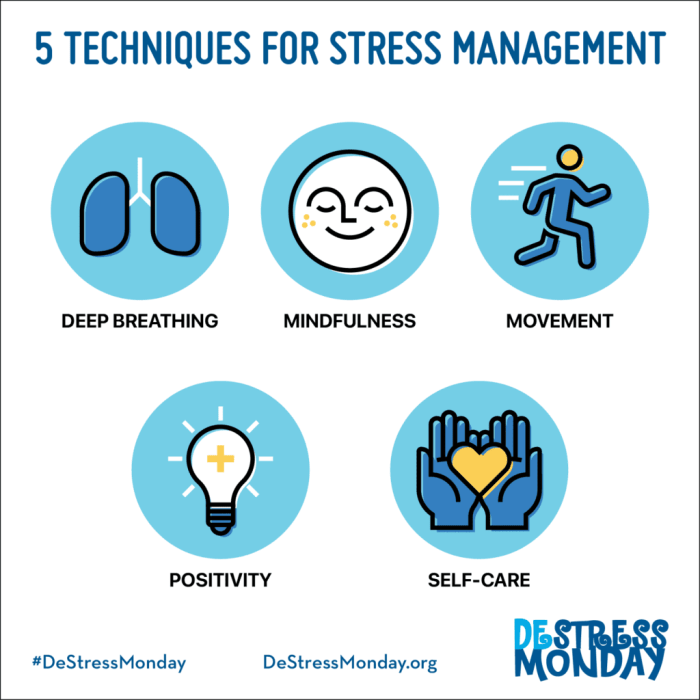
Stress management techniques for seniors – As seniors age, their nutritional needs may change, making it essential to consider incorporating dietary supplements into their daily routine. Nutritional supplements can help bridge the gap between the nutrients seniors need and what they may be lacking in their diet.
Essential Nutrients for Seniors and Their Benefits
Seniors may benefit from specific nutrients to support their overall health and well-being. Some essential nutrients for seniors include:
- Vitamin D: Helps maintain strong bones and supports immune function.
- Calcium: Important for bone health and muscle function.
- Omega-3 fatty acids: Support heart health and brain function.
- Probiotics: Promote gut health and digestion.
Importance of Dietary Supplements in Older Adults’ Health
Dietary supplements play a crucial role in ensuring that seniors get the necessary nutrients, especially if they have difficulty obtaining them from food alone. Supplements can help prevent nutrient deficiencies and support overall health and vitality in older adults.
Guidelines on Choosing Safe and Effective Nutritional Supplements for Seniors
When selecting nutritional supplements for seniors, it is important to consider the following guidelines:
- Consult with a healthcare provider to determine specific nutritional needs.
- Choose supplements from reputable brands with third-party testing for quality and purity.
- Read labels carefully and follow recommended dosage instructions.
- Avoid mega-doses of vitamins and minerals, as excessive intake can be harmful.
How Supplements Can Support Seniors’ Overall Well-Being
Nutritional supplements can provide support in various aspects of seniors’ health, including:
- Boosting immune function and reducing the risk of infections.
- Improving bone density and reducing the risk of fractures.
- Enhancing cognitive function and brain health.
- Promoting heart health and reducing the risk of cardiovascular diseases.
Fitness Routine for Seniors
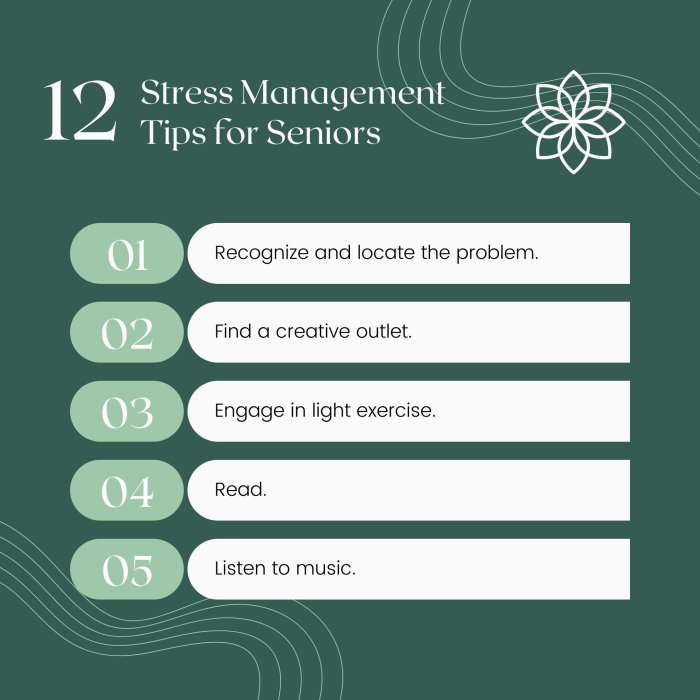
Regular physical activity is essential for seniors to maintain their overall health and well-being. Engaging in a fitness routine can help improve strength, flexibility, balance, and endurance, ultimately leading to a better quality of life. Here are some key points to consider when creating a fitness routine for seniors:
Low-Impact Exercises for Seniors
- Walking: A simple yet effective way to stay active and improve cardiovascular health.
- Swimming: Provides a full-body workout without putting stress on the joints.
- Yoga: Helps improve flexibility, balance, and mental well-being.
- Chair exercises: Great for improving strength and flexibility while seated.
Benefits of Regular Physical Activity
Regular physical activity can:
- Improve cardiovascular health and reduce the risk of heart disease.
- Enhance flexibility and balance, reducing the risk of falls.
- Boost mood and mental well-being, reducing the risk of depression.
- Help maintain a healthy weight and prevent obesity-related health issues.
Creating a Personalized Fitness Routine
When creating a fitness routine for seniors, it’s important to:
- Consult with a healthcare provider or fitness professional to assess individual needs and limitations.
- Start slow and gradually increase intensity to prevent injury.
- Incorporate a variety of exercises to target different muscle groups and prevent boredom.
- Listen to your body and make adjustments as needed to ensure safety and comfort.
Importance of Staying Active
Staying active is crucial for seniors’ physical and mental health as it:
- Helps maintain independence and mobility as we age.
- Improves overall quality of life and sense of well-being.
- Reduces the risk of chronic conditions such as diabetes, osteoporosis, and arthritis.
- Promotes social interaction and a sense of community through group fitness classes or activities.
Health Screenings for Seniors
Regular health screenings are essential for older adults to detect potential health issues early on and prevent complications. These screenings help in identifying any underlying conditions before they progress and become more serious.
Common Screenings for Seniors
- Blood Pressure Screening: High blood pressure is common among seniors and can lead to heart disease, stroke, and other complications. Regular screenings help in monitoring blood pressure levels.
- Cholesterol Test: High cholesterol levels increase the risk of heart disease. Seniors should get their cholesterol levels checked regularly to prevent cardiovascular issues.
- Blood Sugar Test: Diabetes is a common condition among older adults. Routine blood sugar screenings can help in managing diabetes and preventing related complications.
- Bone Density Test: Osteoporosis is a concern for seniors, especially women. Bone density screenings help in assessing the risk of fractures and bone loss.
Tips for Scheduling and Preparing for Health Screenings
- Keep a record of your screenings and follow-up appointments to stay on track.
- Inform your healthcare provider about any medications you are taking or health concerns you may have.
- Fast if required for certain screenings, such as blood sugar tests, as instructed by your healthcare provider.
- Ask questions and seek clarification about the purpose of the screenings and their results.
Significance of Early Detection through Screenings
Regular health screenings can detect health problems in their early stages, allowing for timely intervention and treatment. Early detection can prevent complications, improve outcomes, and enhance the quality of life for seniors.
Disease Prevention Strategies for Seniors
As seniors age, they become more susceptible to various age-related diseases. It is essential to understand the common diseases that affect older adults and the associated risk factors in order to take preventive measures to maintain optimal health in their senior years.
Common Age-Related Diseases in Seniors and Risk Factors
- Heart Disease: Risk factors include high blood pressure, high cholesterol, diabetes, and smoking.
- Osteoporosis: Risk factors include aging, lack of physical activity, low calcium and vitamin D intake.
- Alzheimer’s Disease: Risk factors include age, family history, and genetics.
- Cancer: Risk factors vary depending on the type of cancer but can include age, lifestyle choices, and genetic factors.
Preventive Measures to Reduce the Risk of Diseases in Older Adults
- Maintain a healthy diet rich in fruits, vegetables, whole grains, and lean proteins.
- Stay physically active with regular exercise to strengthen muscles and bones.
- Avoid smoking and limit alcohol consumption to reduce the risk of heart disease and cancer.
- Manage chronic conditions such as diabetes and hypertension through regular check-ups and medication adherence.
Role of Vaccinations in Disease Prevention for Seniors
Vaccinations play a crucial role in disease prevention for seniors by boosting immunity against certain infections. Seniors should ensure they receive recommended vaccines such as influenza, pneumococcal, and shingles vaccines to protect themselves from potentially serious illnesses.
Tips on Maintaining Immunity and Overall Health in Senior Years
- Get plenty of rest to allow your body to recharge and repair.
- Stay hydrated by drinking an adequate amount of water throughout the day.
- Manage stress through relaxation techniques such as meditation, yoga, or deep breathing exercises.
- Engage in social activities to prevent feelings of isolation and promote mental well-being.
Sleep Hygiene Tips for Seniors
Good sleep hygiene is crucial for seniors’ overall health and well-being. Adequate sleep plays a vital role in maintaining cognitive function, emotional stability, and physical health in older adults. Here are some strategies to help seniors improve their sleep quality and promote restful sleep.
Creating a Sleep-Friendly Environment
- Avoid consuming caffeine or nicotine close to bedtime, as they can interfere with sleep.
- Establish a regular bedtime routine to signal the body that it’s time to wind down.
- Keep the bedroom dark, quiet, and cool to create a comfortable sleep environment.
- Avoid using electronic devices before bed, as the blue light emitted can disrupt sleep patterns.
Improving Sleep Quality
- Engage in regular physical activity during the day to promote better sleep at night.
- Avoid heavy meals and alcohol close to bedtime, as they can disrupt sleep.
- Practice relaxation techniques such as deep breathing or meditation to calm the mind before sleep.
Importance of Adequate Sleep
Getting enough sleep is essential for seniors’ overall well-being. It helps boost immune function, improve mood, enhance memory consolidation, and reduce the risk of chronic conditions such as heart disease and diabetes. By following these sleep hygiene tips, older adults can enjoy better sleep quality and lead a healthier lifestyle.
Mental Clarity Techniques for Seniors
Maintaining mental sharpness is crucial for seniors to lead a fulfilling and independent life. Cognitive exercises and activities can play a significant role in enhancing memory, focus, and overall cognitive abilities in older adults. Let’s explore some techniques that can help seniors achieve mental clarity and improve their daily functioning.
Memory Enhancement Techniques
- Engage in brain-stimulating activities such as puzzles, crosswords, and Sudoku to keep your mind active and sharp.
- Practice visualization techniques to help remember names, faces, and important information.
- Use mnemonic devices or memory aids to recall lists or sequences more easily.
Focus and Concentration Exercises
- Try mindfulness meditation to improve focus and reduce distractions.
- Break tasks into smaller, manageable chunks to enhance concentration and productivity.
- Avoid multitasking and focus on one task at a time to improve cognitive performance.
Importance of Mental Stimulation
- Regularly challenging your brain with new activities can help create new neural pathways and promote cognitive health.
- Learning new skills or hobbies can stimulate brain function and improve memory retention.
- Engaging in social interactions and meaningful conversations can boost cognitive abilities and mental clarity.
Hydration Importance for Seniors
Proper hydration is crucial for seniors to maintain their overall health and well-being. As aging adults, they are more prone to dehydration due to various factors such as decreased thirst sensation, medication side effects, and underlying health conditions.
Common Hydration Challenges
- Reduced thirst sensation: Seniors may not feel as thirsty as they used to, leading to inadequate fluid intake.
- Medication side effects: Certain medications can act as diuretics, increasing fluid loss and the risk of dehydration.
- Mobility issues: Limited mobility can make it challenging for seniors to access fluids throughout the day.
- Cognitive decline: Memory loss or cognitive impairment can result in forgetfulness about drinking an adequate amount of water.
Tips for Staying Hydrated
- Carry a water bottle: Keep a reusable water bottle handy to sip on throughout the day.
- Set reminders: Use alarms or smartphone notifications to remind yourself to drink water at regular intervals.
- Opt for hydrating foods: Consume water-rich foods like fruits, vegetables, and soups to increase your fluid intake.
- Avoid excessive caffeine and alcohol: Limit the consumption of beverages that can dehydrate the body.
Impact of Dehydration on Seniors’ Health
-
Dehydration can lead to serious health complications such as urinary tract infections, kidney stones, and even confusion or delirium in older adults.
- It can exacerbate existing health conditions and contribute to a decline in overall cognitive and physical function.
- Proper hydration is essential for maintaining healthy skin, supporting digestion, and regulating body temperature.
FAQ Section: Stress Management Techniques For Seniors
How can stress management benefit seniors?
Effective stress management techniques can enhance seniors’ overall well-being by reducing anxiety, improving sleep quality, and boosting emotional resilience.
Are there specific stressors that commonly affect seniors?
Common stressors for seniors include health concerns, financial worries, loss of loved ones, and changes in living arrangements.
What role does relaxation play in stress management for seniors?
Relaxation techniques such as deep breathing, meditation, and gentle exercises can help seniors unwind and alleviate stress effectively.


More Stories