Top stress relief apps for tracking and managing stress levels are becoming increasingly popular as people seek effective ways to cope with the demands of modern life. Stress, a common response to challenges and pressures, can have a significant impact on our well-being, affecting our physical health, mental state, and overall quality of life.
Recognizing the importance of stress management, developers have created a wide range of apps designed to help individuals track their stress levels, identify triggers, and implement strategies for reducing stress. These apps offer a variety of features, including mood tracking, journaling, breathing exercises, meditation guides, and relaxation techniques, all aimed at promoting emotional well-being and fostering a sense of calm.
Stress Relief Apps: Your Digital Guide to Wellbeing
Stress is an inherent part of modern life, a response to demanding situations and pressures that can manifest in various ways, from physical symptoms like headaches and fatigue to emotional and mental strain. Chronic stress, however, can take a toll on our overall well-being, impacting our sleep, relationships, and even our physical health.
Recognizing the growing need for effective stress management strategies, a new wave of stress relief apps has emerged, offering digital tools to track, understand, and manage stress levels.
The Importance of Stress Management
Stress management is crucial in today’s fast-paced world. It is not about eliminating stress entirely, which is unrealistic, but about developing healthy coping mechanisms to navigate and minimize its negative impact. Stress management techniques can help individuals develop resilience, improve emotional regulation, and enhance their overall well-being.
Top Stress Relief Apps
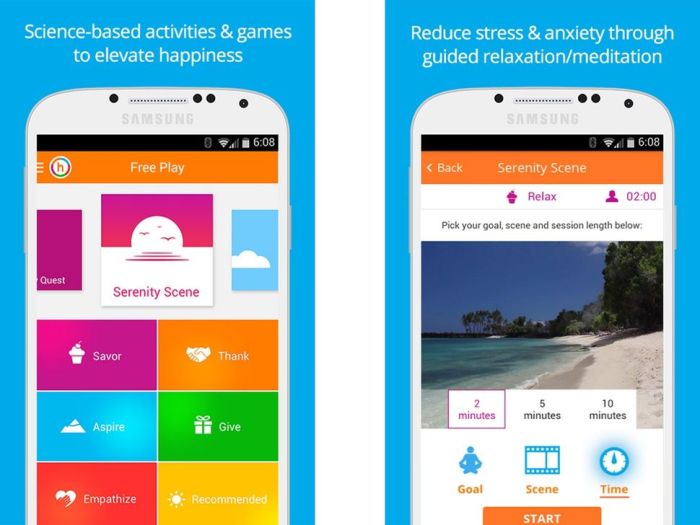
Stress relief apps have become increasingly popular as a way to manage stress and improve mental well-being. These apps offer a variety of features and functionalities designed to help users track their stress levels, learn relaxation techniques, and develop healthy coping mechanisms.
Popular Stress Relief Apps
The following are five popular stress relief apps, each with its unique features and functionalities.
- Headspace:Headspace is a meditation app that offers guided meditations, sleep exercises, and mindfulness techniques. Its user-friendly interface and diverse content make it suitable for beginners and experienced meditators alike.
- Features:Guided meditations, sleep exercises, mindfulness techniques, personalized recommendations, progress tracking.
- User Experience:Headspace has received high ratings from users who praise its accessibility, effectiveness, and calming nature. Many users find the app’s content to be engaging and helpful in reducing stress and anxiety.
- Calm:Calm is another popular meditation app known for its high-quality audio content and sleep stories. It offers a wide range of meditations, including those specifically designed for stress, anxiety, and sleep.
- Features:Guided meditations, sleep stories, nature sounds, breathing exercises, mindfulness techniques, progress tracking.
- User Experience:Calm has received positive reviews for its soothing audio content, effective meditation techniques, and sleep-inducing stories. Many users find the app’s content to be calming and helpful in promoting relaxation and sleep.
- Smiling Mind:Smiling Mind is a meditation app specifically designed for children and teenagers. It uses engaging stories and games to teach mindfulness and stress management techniques in an age-appropriate manner.
- Features:Age-appropriate meditations, mindfulness games, stress management techniques, progress tracking.
- User Experience:Smiling Mind has received positive reviews from parents and educators who appreciate its ability to make mindfulness accessible and engaging for young people. Many users find the app’s content to be fun and helpful in developing healthy coping skills.
- Day One:Day One is a journaling app that encourages users to reflect on their thoughts, feelings, and experiences. It can be used as a tool for stress management by helping users identify triggers, track their emotions, and develop strategies for coping with stress.
- Features:Journaling prompts, mood tracking, photo integration, password protection, cloud synchronization.
- User Experience:Day One has received positive reviews for its intuitive interface, helpful journaling prompts, and privacy features. Many users find the app to be a valuable tool for self-reflection, emotional processing, and stress management.
- Moodpath:Moodpath is a mood tracking app that uses cognitive behavioral therapy (CBT) techniques to help users identify and manage their emotions. It allows users to track their mood, identify triggers, and learn coping strategies based on their individual needs.
- Features:Mood tracking, CBT exercises, personalized recommendations, progress tracking, integration with other health apps.
- User Experience:Moodpath has received positive reviews for its evidence-based approach to stress management and its ability to provide personalized support. Many users find the app to be helpful in understanding their emotions, developing coping strategies, and improving their overall mental well-being.
Key Features of Stress Relief Apps
Stress relief apps are designed to provide a range of tools and techniques to help users manage their stress levels and promote emotional well-being. These apps often incorporate features that address various aspects of stress management, offering a holistic approach to mental health.
Mood Tracking
Mood tracking allows users to monitor their emotional state over time. This feature typically involves recording daily moods, identifying triggers, and analyzing patterns. By tracking their moods, users can gain insights into what factors contribute to their stress levels and develop strategies to manage them effectively.
For example, users might notice a correlation between their mood and specific activities, social interactions, or environmental factors. This awareness can help them make informed choices to minimize stress triggers and promote positive emotional well-being.
Journaling
Journaling provides a platform for users to express their thoughts, feelings, and experiences. It allows for emotional processing, reflection, and self-discovery. By journaling regularly, users can gain a better understanding of their stress triggers, coping mechanisms, and personal growth areas.
The act of writing down thoughts and feelings can also be therapeutic, helping users to release pent-up emotions and gain clarity.
Breathing Exercises
Breathing exercises are a core component of many stress relief apps. These exercises involve controlled breathing techniques that help regulate the nervous system and promote relaxation. By focusing on their breath, users can calm their minds, reduce anxiety, and promote a sense of peace.
Examples of breathing exercises commonly found in stress relief apps include diaphragmatic breathing, box breathing, and alternate nostril breathing.
Meditation Guides
Meditation guides provide structured meditation sessions that guide users through various mindfulness practices. These sessions often include guided visualizations, body scans, and focused breathing techniques. Regular meditation practice can help reduce stress, improve focus, and enhance emotional regulation. It allows users to cultivate a sense of calm and mindfulness, enabling them to respond to stressors with greater awareness and equanimity.
Relaxation Techniques
Stress relief apps often incorporate relaxation techniques that help users unwind and de-stress. These techniques can include progressive muscle relaxation, guided imagery, and soothing soundscapes. Progressive muscle relaxation involves systematically tensing and relaxing different muscle groups, releasing physical tension and promoting relaxation.
Guided imagery uses mental visualizations to create a calming and restorative experience. Soothing soundscapes provide ambient sounds that can create a tranquil atmosphere, promoting relaxation and reducing stress.
Benefits of Using Stress Relief Apps
In today’s fast-paced world, stress is a pervasive issue that can negatively impact our physical and mental well-being. Fortunately, the rise of technology has brought about innovative solutions, including stress relief apps, that offer a range of tools and techniques to help individuals manage stress effectively.
These apps provide a convenient and accessible platform for users to monitor their stress levels, learn coping mechanisms, and cultivate a sense of calm and tranquility. While traditional stress management methods, such as exercise, meditation, and therapy, remain valuable, stress relief apps can act as complementary tools, offering a digital approach to enhance well-being.
Improved Stress Management
Stress relief apps provide individuals with various tools and techniques to manage stress effectively. Many apps incorporate features such as guided meditations, breathing exercises, and mindfulness exercises, which have been scientifically proven to reduce stress levels and promote relaxation. For example, the Headspace app offers a library of guided meditations designed to alleviate anxiety, improve sleep, and enhance focus.
By incorporating these techniques into their daily routine, users can learn to identify and manage stressors more effectively, leading to a reduction in overall stress levels.
Increased Self-Awareness
Stress relief apps often include features that promote self-awareness, allowing individuals to gain a deeper understanding of their stress triggers and patterns. Many apps allow users to track their mood, sleep quality, and stress levels over time. This data can provide valuable insights into the factors that contribute to stress and help users identify areas for improvement.
For instance, the Daylio app enables users to record their daily mood, activities, and thoughts, creating a visual representation of their emotional patterns. By analyzing this data, individuals can identify specific triggers that contribute to stress and develop strategies to manage them more effectively.
Enhanced Emotional Regulation
Stress relief apps can help individuals develop better emotional regulation skills. These apps often include tools and techniques that teach users how to identify and manage negative emotions. For example, the Calm app offers a variety of resources, including guided meditations, breathing exercises, and sleep stories, that can help users regulate their emotions and promote a sense of calm.
By practicing these techniques regularly, individuals can learn to better manage their emotional responses to stressful situations, leading to a more balanced and resilient mindset.
Better Sleep Quality
Stress can significantly disrupt sleep patterns, leading to insomnia and other sleep-related problems. Stress relief apps can play a crucial role in improving sleep quality by providing tools and techniques to promote relaxation and reduce anxiety. Many apps offer features such as sleep sounds, guided meditations, and breathing exercises designed to calm the mind and body before bedtime.
Studies have shown that using relaxation techniques before bed can significantly improve sleep quality and reduce the time it takes to fall asleep.
Considerations for Choosing a Stress Relief App
Navigating the world of stress relief apps can feel overwhelming, with countless options promising relaxation and well-being. Choosing the right app for your needs is crucial to ensure you find a tool that truly supports your journey to managing stress effectively.
App Features, Top stress relief apps for tracking and managing stress levels
The features offered by a stress relief app are paramount to its effectiveness. Consider what aspects of stress management resonate with you and look for apps that align with your preferences.
- Guided Meditation and Mindfulness:Apps like Headspace, Calm, and Insight Timer offer guided meditations tailored to various needs, from anxiety and sleep to focus and self-compassion. These apps often feature a library of meditations with varying lengths and styles, allowing you to find what suits you best.
- Breathing Exercises:Apps like Breathe2Relax and Stop, Breathe & Think provide structured breathing exercises to help calm your nervous system and promote relaxation. These exercises can be particularly beneficial for managing anxiety and panic attacks.
- Mindfulness Techniques:Some apps focus on cultivating mindfulness through activities like body scans, gratitude journaling, and mindful movement. These techniques can help you become more aware of your thoughts and feelings, allowing you to respond to stress more effectively.
- Stress Tracking and Monitoring:Apps like Daylio and Moodpath allow you to track your mood, stress levels, and activities, providing insights into your patterns and triggers. This data can help you identify what contributes to your stress and develop strategies for coping.
- Sleep Improvement:Many apps offer sleep-focused features like sleep sounds, white noise generators, and sleep tracking to help you improve your sleep quality. This can be a valuable tool for managing stress, as poor sleep can exacerbate stress levels.
- Cognitive Behavioral Therapy (CBT) Techniques:Apps like Woebot and Talkspace incorporate CBT principles to help you challenge negative thoughts and develop healthier coping mechanisms. CBT is a proven therapy approach for managing anxiety, depression, and other mental health conditions.
- Community Support:Some apps offer community features where users can connect with others, share their experiences, and receive support. This can be a valuable resource for feeling less alone and finding encouragement on your stress management journey.
User Interface and Design
A user-friendly interface and intuitive design are essential for a positive app experience.
- Navigation:Look for an app with a clear and straightforward navigation system, making it easy to find the features you need.
- Visual Appeal:A visually appealing design can enhance your experience and make the app more enjoyable to use.
- Accessibility:Ensure the app is accessible to users with disabilities, featuring features like voice-over options and adjustable text sizes.
Cost and Subscription Models
Stress relief apps often offer a range of pricing models, from free basic versions to paid premium subscriptions.
- Free vs. Paid:Free apps typically offer limited features, while paid apps often provide access to a wider range of content and functionality.
- Subscription Options:Consider the subscription cost and whether it aligns with your budget. Some apps offer discounts for longer subscription periods.
- Trial Periods:Many apps offer free trial periods, allowing you to experience the app before committing to a subscription.
Privacy Concerns
Protecting your privacy is crucial when using any app, especially those dealing with sensitive personal information like your mental health.
- Data Collection:Read the app’s privacy policy carefully to understand what data they collect, how they use it, and how they protect it.
- Security Measures:Look for apps that employ robust security measures, such as encryption and secure data storage.
- Data Sharing:Be aware of how the app shares your data with third parties, if at all.
Recommendations for Different User Profiles
- Individuals with Anxiety:Apps like Calm, Headspace, and Insight Timer offer a wide range of guided meditations specifically designed for anxiety management.
- Individuals with Chronic Stress:Apps like Daylio, Moodpath, and Woebot provide tools for tracking stress levels, identifying triggers, and developing coping strategies.
- Individuals with Specific Lifestyle Needs:Apps like Sleep Cycle, SleepScore, and MyFitnessPal offer features tailored to improving sleep, managing fitness, and promoting overall well-being.
Stress Management: A Holistic Approach
Stress is an inevitable part of life, but managing it effectively is crucial for overall well-being. A holistic approach to stress management recognizes that stress is influenced by multiple factors and requires a multi-faceted strategy to address it. This approach goes beyond simply focusing on reducing stress symptoms and aims to promote a balanced and healthy lifestyle.
Holistic Stress Management Framework
A holistic approach to stress management considers various aspects of well-being, each contributing to a balanced and healthy lifestyle. Here’s a framework encompassing key areas:
| Aspect | Strategies |
|---|---|
| Stress Management |
|
| Healthy Lifestyle |
|
| Medical Innovations |
|
| Nutritional Supplements |
|
| Fitness Routine |
|
| Health Screenings |
|
| Disease Prevention |
|
| Sleep Hygiene |
|
| Mental Clarity |
|
| Hydration Importance |
|
| Healthy Habits |
|
| Emotional Wellbeing |
|
| Healthy Aging |
|
| Active Lifestyle |
|
| Cardiovascular Health |
|
| Healthy Recipes |
|
| Mental Resilience |
|
| Immune Support |
|
| Stress Relief |
|
| Nutritional Balance |
|
Conclusion
In today’s fast-paced world, managing stress effectively is crucial for overall well-being. This article explored the landscape of stress relief apps, highlighting their potential to empower individuals in their journey toward a calmer and more balanced life.Stress relief apps offer a diverse range of tools and techniques, from mindfulness exercises and breathing techniques to sleep tracking and personalized stress management plans.
By leveraging technology, these apps provide accessible and convenient ways to address stress in a proactive and sustainable manner.
The Importance of Stress Management
Stress management is not a luxury; it’s an essential aspect of a healthy lifestyle. Chronic stress can negatively impact physical and mental health, leading to issues like anxiety, depression, sleep disturbances, and weakened immune systems. By incorporating stress management practices into daily routines, individuals can build resilience, enhance emotional well-being, and improve overall quality of life.
Exploring Stress Relief Apps
The availability of a multitude of stress relief apps empowers individuals to find solutions that resonate with their unique needs and preferences. From guided meditations and calming soundscapes to personalized stress tracking and cognitive behavioral therapy (CBT) techniques, these apps offer a diverse toolkit for managing stress effectively.
Key Takeaways
- Stress relief apps provide accessible and convenient tools for managing stress.
- They offer a variety of features, including mindfulness exercises, breathing techniques, sleep tracking, and personalized stress management plans.
- Regular use of stress relief apps can lead to improved emotional well-being, reduced anxiety, and better sleep quality.
- It is important to choose apps that align with individual needs and preferences.
Closing Summary
Incorporating stress relief apps into your daily routine can be a valuable tool for managing stress effectively. By tracking your stress levels, understanding your triggers, and practicing mindfulness techniques, you can gain greater control over your emotional well-being. Remember, stress management is a continuous journey, and these apps can provide support and guidance along the way.
FAQ Summary: Top Stress Relief Apps For Tracking And Managing Stress Levels
What are the best stress relief apps for beginners?
Some popular apps for beginners include Calm, Headspace, and Insight Timer, which offer guided meditations, breathing exercises, and sleep stories.
Are stress relief apps effective?
Research suggests that stress relief apps can be effective in reducing stress and improving mental well-being. However, the effectiveness may vary depending on the individual and the app’s features.
How do I choose the right stress relief app for me?
Consider your individual needs, preferences, and budget. Look for apps with features that align with your stress management goals, such as mood tracking, guided meditations, or relaxation techniques.


More Stories
Maintain Cardiovascular Health: Managing Diabetes & Hypertension
Best Strategies for Managing Stress and Enhancing Healthy Aging
Top Sleep Hygiene Practices for Stress Relief and Relaxation