Best Strategies for Managing Stress and Enhancing Healthy Aging: Aging is a natural process, but it can be accompanied by unique challenges, including the increasing impact of stress on our well-being. As we age, the ability to cope with stress effectively becomes crucial for maintaining a high quality of life and achieving optimal health.
This comprehensive guide explores the multifaceted relationship between stress and healthy aging, offering practical strategies and insights to help individuals navigate this stage of life with resilience and vitality.
The journey toward healthy aging encompasses a wide range of factors, from adopting healthy habits to seeking medical advancements. Stress management is a key component, as chronic stress can accelerate the aging process and increase the risk of age-related diseases.
By understanding the impact of stress and implementing effective stress management techniques, individuals can mitigate its negative effects and promote overall well-being. This guide will provide a roadmap for navigating the complexities of stress management in the context of healthy aging, empowering readers to embrace this chapter of life with confidence and well-being.
Understanding Stress and Healthy Aging
Stress is a natural part of life, but chronic stress can have a significant impact on our health, especially as we age. Understanding the connection between stress and aging is crucial for maintaining well-being and promoting healthy aging.
The Connection Between Stress and Aging
Stress can accelerate the aging process by influencing various biological mechanisms. The body’s stress response system, known as the hypothalamic-pituitary-adrenal (HPA) axis, releases hormones like cortisol. While cortisol is essential for short-term stress management, prolonged exposure to elevated cortisol levels can have detrimental effects.
- Telomere Shortening:Telomeres are protective caps at the ends of chromosomes that shorten with each cell division. Chronic stress can accelerate telomere shortening, leading to premature aging and increased risk of age-related diseases.
- Cellular Senescence:Stress can induce cellular senescence, a state where cells stop dividing and contribute to tissue aging. This process is linked to age-related decline in organ function and increased risk of chronic diseases.
- Inflammation:Chronic stress can trigger chronic inflammation, which plays a role in the development of various age-related diseases, such as heart disease, arthritis, and Alzheimer’s disease.
The Impact of Chronic Stress on Physical and Mental Health in Older Adults
Chronic stress can have a profound impact on both physical and mental health in older adults.
- Cardiovascular Health:Chronic stress can increase blood pressure, heart rate, and risk of heart disease. Older adults with chronic stress are more likely to experience cardiovascular events like heart attacks and strokes.
- Cognitive Function:Stress can impair cognitive function, leading to memory problems, difficulty concentrating, and increased risk of dementia. Prolonged stress can also negatively impact brain structure and function, contributing to cognitive decline.
- Mental Health:Chronic stress can contribute to mental health issues like anxiety, depression, and insomnia. Older adults with chronic stress are more likely to experience these conditions, which can further exacerbate their overall health.
- Immune Function:Chronic stress can weaken the immune system, making older adults more susceptible to infections and illnesses. This can lead to increased vulnerability to age-related diseases and reduced overall resilience.
The Role of Stress in Age-Related Diseases
Research has shown a strong link between chronic stress and the development of age-related diseases.
- Heart Disease:Chronic stress can contribute to the development of heart disease by increasing blood pressure, heart rate, and inflammation. Studies have shown that individuals with high levels of stress are at increased risk of heart attacks and strokes.
- Diabetes:Chronic stress can disrupt blood sugar regulation, increasing the risk of developing type 2 diabetes. Stress hormones like cortisol can lead to insulin resistance, making it harder for the body to utilize glucose effectively.
- Alzheimer’s Disease:Chronic stress can contribute to the development of Alzheimer’s disease by damaging brain cells and impairing cognitive function. Studies have shown that individuals with high levels of stress are at increased risk of developing this neurodegenerative disease.
- Cancer:While the link between stress and cancer is complex, some studies suggest that chronic stress may increase the risk of developing certain types of cancer. Stress can weaken the immune system, making it harder to fight off cancer cells.
Stress Management Strategies
Managing stress effectively is crucial for healthy aging. By learning and implementing stress management techniques, older adults can improve their overall well-being, enhance their quality of life, and maintain their physical and cognitive health. This section will explore various stress management strategies specifically tailored for older adults, focusing on relaxation techniques, mindfulness, and cognitive behavioral therapy.
Designing a Stress Management Plan
A personalized stress management plan can be a powerful tool for older adults. This plan should incorporate techniques that are accessible, enjoyable, and sustainable. Here are some key components to consider:
Relaxation Techniques
Relaxation techniques can help reduce physical tension and promote a sense of calm. Some effective options include:
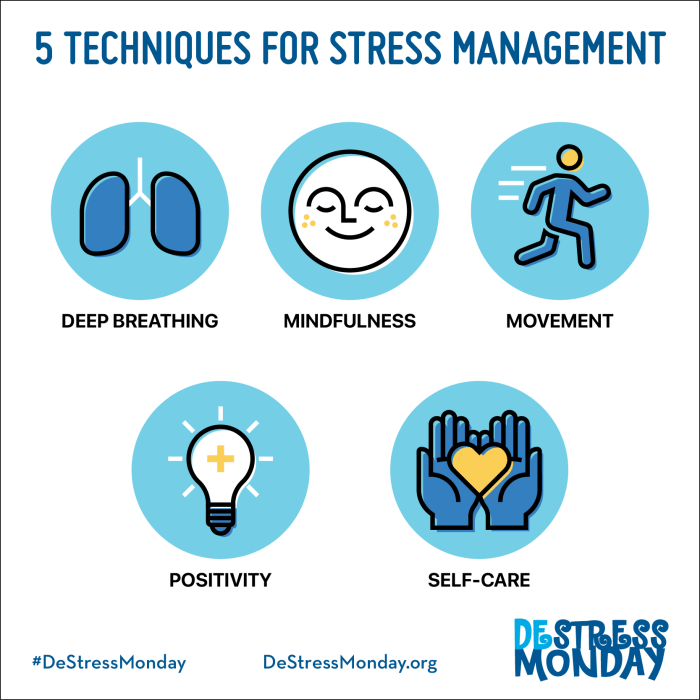
- Deep Breathing Exercises:Deep, slow breaths can activate the parasympathetic nervous system, which helps calm the body and mind. Simple techniques like diaphragmatic breathing or box breathing can be easily learned and practiced.
- Progressive Muscle Relaxation:This technique involves systematically tensing and relaxing different muscle groups, helping to release physical tension and promote relaxation. Older adults may find it helpful to focus on areas where they often experience tension, such as the shoulders, neck, or back.
- Guided Imagery:This involves using vivid mental images to create a calming and relaxing experience. Guided imagery scripts can be found online or through meditation apps, and they can be tailored to individual preferences.
Mindfulness
Mindfulness involves paying attention to the present moment without judgment. It can help reduce stress by increasing awareness of thoughts, feelings, and sensations, allowing for a more balanced perspective.
- Mindful Meditation:This practice involves focusing on the breath or a specific object of attention, gently redirecting attention when thoughts arise. Regular mindful meditation can help cultivate calmness, reduce stress, and improve emotional regulation.
- Mindful Movement:Engaging in activities like yoga, tai chi, or gentle stretching can be a mindful way to move the body. These practices combine physical movement with focused attention, promoting relaxation and reducing stress.
- Mindful Eating:Paying attention to the taste, texture, and aroma of food can enhance the eating experience and reduce stress related to food choices. It also helps to cultivate a more mindful relationship with food.
Cognitive Behavioral Therapy (CBT)
CBT is a type of therapy that focuses on identifying and changing negative thought patterns and behaviors that contribute to stress.
- Identifying Stressors:The first step in CBT involves identifying the specific stressors that are causing distress. This can be done through journaling, self-reflection, or working with a therapist.
- Challenging Negative Thoughts:CBT encourages individuals to challenge negative or unhelpful thoughts and replace them with more realistic and balanced perspectives. Techniques like cognitive restructuring can be used to reframe stressful situations.
- Developing Coping Strategies:CBT helps individuals develop effective coping strategies for managing stress. These strategies can include relaxation techniques, problem-solving skills, and assertive communication techniques.
Stress-Reducing Activities
Integrating stress-reducing activities into daily routines can promote overall well-being and enhance healthy aging. Here are some examples:
- Spending Time in Nature:Engaging in activities like gardening, walking in a park, or simply sitting outdoors can have a calming effect on the mind and body. Exposure to nature can reduce stress hormones, improve mood, and enhance cognitive function.
- Engaging in Hobbies:Pursuing hobbies that are enjoyable and stimulating can provide a sense of purpose, reduce stress, and promote cognitive health. Activities like reading, painting, playing music, or crafting can be both relaxing and fulfilling.
- Socializing with Loved Ones:Maintaining strong social connections is crucial for mental and emotional well-being. Spending time with friends and family can provide support, reduce feelings of loneliness, and promote a sense of belonging.
- Getting Enough Sleep:Adequate sleep is essential for managing stress and maintaining overall health. Aim for 7-8 hours of quality sleep each night to allow the body and mind to rest and recharge.
- Eating a Healthy Diet:A balanced diet rich in fruits, vegetables, and whole grains can provide essential nutrients and support overall health. Limiting processed foods, sugary drinks, and excessive caffeine can help reduce stress levels.
- Regular Exercise:Physical activity has numerous benefits for stress management, including reducing anxiety, improving mood, and promoting better sleep. Choose activities that are enjoyable and can be easily incorporated into daily routines.
Comparing Stress Management Approaches
Different stress management approaches have varying levels of effectiveness, and what works best for one person may not be as effective for another.
- Relaxation Techniques:These techniques are generally effective in reducing physical tension and promoting a sense of calm. However, they may not address the underlying causes of stress.
- Mindfulness:Mindfulness can be a powerful tool for managing stress by increasing self-awareness and promoting emotional regulation. It requires regular practice to develop its full benefits.
- Cognitive Behavioral Therapy (CBT):CBT is a highly effective approach for addressing stress by changing negative thought patterns and behaviors. It often involves working with a therapist and requires commitment and effort.
Healthy Lifestyle for Optimal Aging: Best Strategies For Managing Stress And Enhancing Healthy Aging
A healthy lifestyle is crucial for successful aging. By adopting healthy habits, seniors can maintain their physical and cognitive function, reduce the risk of chronic diseases, and enjoy a better quality of life.
Key Components of a Healthy Lifestyle
A healthy lifestyle for seniors encompasses several key components, including nutrition, physical activity, and sleep. The table below Artikels these components and their importance:
| Component | Description | Importance |
|---|---|---|
| Nutrition | Consuming a balanced diet rich in fruits, vegetables, whole grains, and lean protein. | Provides essential nutrients for maintaining health and preventing age-related diseases. |
| Physical Activity | Engaging in regular exercise, such as walking, swimming, or yoga. | Improves cardiovascular health, strengthens muscles and bones, and enhances cognitive function. |
| Sleep | Getting 7-8 hours of quality sleep each night. | Promotes physical and mental restoration, improves mood, and enhances cognitive function. |
The Importance of Regular Exercise
Regular exercise is essential for maintaining physical and cognitive function as we age. Physical activity helps to:
- Improve cardiovascular health:Exercise strengthens the heart and lungs, improving blood circulation and reducing the risk of heart disease and stroke.
- Strengthen muscles and bones:Resistance training helps to maintain muscle mass and bone density, reducing the risk of falls and fractures.
- Enhance cognitive function:Exercise stimulates the brain, improving memory, attention, and problem-solving skills.
- Reduce the risk of chronic diseases:Regular exercise can help to prevent or manage conditions such as diabetes, obesity, and some types of cancer.
- Improve mood and reduce stress:Exercise releases endorphins, which have mood-boosting effects and can help to reduce stress levels.
The Role of a Balanced Diet
A balanced diet is crucial for preventing age-related diseases and promoting overall well-being. Eating a variety of nutrient-rich foods helps to:
- Maintain a healthy weight:A balanced diet can help to prevent weight gain, which is a risk factor for many chronic diseases.
- Provide essential nutrients:A balanced diet ensures that seniors receive all the nutrients they need to maintain their health and well-being.
- Reduce the risk of chronic diseases:A diet rich in fruits, vegetables, and whole grains can help to prevent conditions such as heart disease, stroke, diabetes, and some types of cancer.
- Improve cognitive function:Some nutrients, such as omega-3 fatty acids and antioxidants, have been shown to improve cognitive function and reduce the risk of dementia.
- Boost energy levels:A balanced diet provides the body with the fuel it needs to function properly and maintain energy levels.
“A healthy diet and regular exercise are the cornerstones of healthy aging.”Dr. Jane Smith, Geriatric Physician
Medical Innovations and Healthy Aging
Medical advancements are revolutionizing our understanding of aging and providing innovative tools to enhance longevity and quality of life. These breakthroughs are not only extending lifespans but also empowering individuals to age healthily and actively.
Innovative Treatments and Therapies
These innovations are transforming the way we approach age-related health concerns.
- Gene therapyis a promising area, with ongoing research exploring ways to repair or replace genes responsible for age-related diseases. For example, gene therapy is being investigated for its potential to treat age-related macular degeneration, a leading cause of vision loss.
- Stem cell therapyoffers the potential to regenerate damaged tissues and organs. Clinical trials are underway to assess the effectiveness of stem cell therapy in treating age-related conditions like osteoarthritis and heart disease.
- Immunotherapyis another emerging field, focusing on boosting the immune system’s ability to fight off age-related diseases and infections. Immunotherapy has shown potential in treating cancer and is being investigated for its potential to prevent or delay age-related decline.
- Artificial intelligence (AI)is playing an increasingly important role in healthcare, enabling more personalized and predictive medicine. AI algorithms can analyze large datasets to identify patterns and predict health risks, allowing for early intervention and preventive care.
Nutritional Supplements for Healthy Aging
As we age, our bodies may not absorb nutrients as efficiently, leading to potential deficiencies. Nutritional supplements can help bridge the gap and support overall health and well-being. However, it’s crucial to understand their potential benefits and risks and consult with a healthcare professional before starting any supplement regimen.
Essential Nutrients for Older Adults
A balanced diet is the foundation of healthy aging, but certain nutrients become even more crucial as we age. These nutrients play vital roles in maintaining bone health, cognitive function, cardiovascular health, and immune function.
- Calcium:Essential for strong bones and teeth, calcium also supports muscle function and nerve transmission.
- Sources:Dairy products (milk, yogurt, cheese), leafy green vegetables (kale, spinach), fortified foods (orange juice, plant-based milk).
- Recommended Daily Intake:1,200 mg for women over 50 and men over 70.
- Vitamin D:Promotes calcium absorption, supports bone health, and may play a role in immune function and cognitive health.
- Sources:Sunlight exposure, fatty fish (salmon, tuna, mackerel), egg yolks, fortified foods (milk, yogurt, orange juice).
- Recommended Daily Intake:600 IU for adults up to 70 years old, 800 IU for those over 70.
- Vitamin B12:Essential for nerve function, red blood cell production, and DNA synthesis.
- Sources:Animal products (meat, poultry, fish, eggs, dairy), fortified cereals and plant-based milk.
- Recommended Daily Intake:2.4 mcg for adults over 50.
- Vitamin B6:Plays a role in brain function, red blood cell production, and immune function.
- Sources:Fortified cereals, meat, poultry, fish, bananas, potatoes.
- Recommended Daily Intake:1.7 mg for adults over 50.
- Omega-3 Fatty Acids:Support heart health, brain function, and inflammation reduction.
- Sources:Fatty fish (salmon, tuna, mackerel), flaxseeds, chia seeds, walnuts.
- Recommended Daily Intake:500-1,000 mg per day.
Potential Benefits and Risks of Nutritional Supplements
Nutritional supplements can offer potential benefits for older adults, but it’s important to consider their potential risks as well.
Potential Benefits
- Nutrient deficiencies:Supplements can help address nutrient deficiencies that may arise from reduced absorption or dietary limitations.
- Improved bone health:Calcium and vitamin D supplements can help maintain bone density and reduce the risk of fractures.
- Cognitive function:Certain supplements, like omega-3 fatty acids and vitamin B12, may support cognitive function and reduce the risk of cognitive decline.
- Heart health:Omega-3 fatty acids and other supplements may help lower blood pressure and cholesterol levels.
- Immune function:Vitamin D and other nutrients can contribute to a healthy immune system.
Potential Risks
- Interactions with medications:Supplements can interact with certain medications, potentially increasing their effects or causing adverse reactions.
- Overdose:Taking excessive amounts of certain supplements can lead to toxicity.
- Misinformation:The supplement industry is not always regulated, and some products may contain harmful ingredients or misleading claims.
- Unnecessary supplementation:In some cases, supplements may be unnecessary if a person is already consuming a balanced diet.
Choosing Safe and Effective Supplements
- Consult with a healthcare professional:Discuss your individual needs and any potential risks before taking supplements.
- Choose reputable brands:Look for supplements from reputable manufacturers that undergo third-party testing to ensure quality and purity.
- Read labels carefully:Pay attention to the ingredients, dosage, and potential side effects.
- Start with a low dose:Begin with a lower dose and gradually increase it as needed, monitoring for any adverse effects.
- Don’t rely solely on supplements:A healthy diet and lifestyle are essential for overall health.
Fitness Routine for Seniors
Maintaining a fitness routine is essential for healthy aging. It helps seniors maintain strength, flexibility, balance, and cardiovascular health, which are crucial for independent living and overall well-being. A well-designed fitness program should be tailored to individual fitness levels and health conditions, and it should be gradually progressed over time.
Safe and Effective Exercises for Seniors
Regular physical activity can significantly improve the quality of life for seniors. The following are examples of safe and effective exercises for seniors, categorized by their benefits:
Strength Training
Strength training helps maintain muscle mass, bone density, and functional independence. Seniors can engage in various strength training exercises using body weight, resistance bands, or light weights.
- Chair Squats:Stand in front of a sturdy chair with feet shoulder-width apart. Slowly lower your body as if you are sitting on the chair, keeping your back straight. Pause for a few seconds, then push back up to the starting position.
Repeat 10-15 times.
- Wall Push-ups:Stand facing a wall with your hands shoulder-width apart and slightly lower than shoulder height. Lean forward, keeping your back straight, until your chest touches the wall. Push back to the starting position. Repeat 10-15 times.
- Bicep Curls:Hold a light dumbbell in each hand with palms facing up. Bend your elbows and lift the dumbbells towards your shoulders, keeping your upper arms stationary. Slowly lower the dumbbells back to the starting position. Repeat 10-15 times.
Flexibility Exercises
Flexibility exercises improve range of motion, reduce stiffness, and prevent injuries. Stretching should be done gently and held for 15-30 seconds.
- Neck Stretches:Gently tilt your head to the side, bringing your ear towards your shoulder. Hold for 15-30 seconds, then repeat on the other side. Also, rotate your head slowly in a circular motion, both clockwise and counterclockwise.
- Shoulder Stretches:Reach one arm across your body and hold it with your other hand, pulling it gently towards your chest. Hold for 15-30 seconds, then repeat on the other side. Also, circle your shoulders forward and backward.
- Hamstring Stretches:Sit on the floor with legs extended in front of you. Reach for your toes, keeping your back straight. Hold for 15-30 seconds.
Balance Exercises
Balance exercises help prevent falls and improve coordination.
- Heel-to-Toe Walk:Walk in a straight line, placing the heel of one foot in front of the toes of the other foot. Repeat for 10-15 steps.
- Single-Leg Stance:Stand on one leg, keeping your other leg slightly bent behind you. Hold for 30 seconds, then repeat on the other leg. As you get more comfortable, you can increase the time or try closing your eyes.
- Chair Stand:Sit on a chair with your feet flat on the floor. Stand up without using your arms. Repeat 10-15 times.
Cardiovascular Exercises
Cardiovascular exercises improve heart health, lung capacity, and overall fitness. Seniors can choose activities they enjoy, such as:
- Walking:Walking is a low-impact exercise that can be done at a comfortable pace. Aim for at least 30 minutes of brisk walking most days of the week.
- Swimming:Swimming is a great exercise for seniors as it is low-impact and provides resistance.
- Cycling:Cycling is a fun and effective way to get cardiovascular exercise. Choose a stationary bike or an outdoor route that is safe and comfortable.
Gradual Progression and Listening to Your Body
It is crucial for seniors to start slowly and gradually increase the intensity and duration of their workouts. It is also important to listen to your body and rest when needed. If you experience any pain, stop the exercise and consult with your doctor.
Health Screenings and Disease Prevention
As we age, our bodies become more susceptible to certain health conditions. Regular health screenings are crucial for early detection and prevention of these diseases, allowing for timely intervention and potentially improving long-term health outcomes.
Recommended Health Screenings for Older Adults
The following table Artikels recommended health screenings for older adults, including their frequency and purpose:
| Screening | Frequency | Purpose |
|---|---|---|
| Blood Pressure | At least annually | To identify high blood pressure, a major risk factor for heart disease, stroke, and other health problems. |
| Cholesterol | Every 5 years | To assess cholesterol levels, which can indicate an increased risk of heart disease. |
| Blood Sugar | Every 3 years, or more frequently if at risk | To detect diabetes, a chronic condition that can lead to serious complications. |
| Colorectal Cancer | Every 10 years starting at age 50 | To screen for colorectal cancer, which is highly treatable when detected early. |
| Mammogram | Annually for women aged 50-74 | To detect breast cancer, which is often treatable when detected early. |
| Pap Smear | Every 3 years for women aged 21-65 | To screen for cervical cancer, which is highly treatable when detected early. |
| Bone Density Scan | Every 1-2 years for women over 65 and men over 70 | To assess bone density and identify osteoporosis, a condition that weakens bones and increases fracture risk. |
| Vision Test | Annually | To detect vision problems, which can affect daily life and safety. |
| Hearing Test | Every 1-2 years | To detect hearing loss, which can lead to social isolation and communication difficulties. |
Importance of Early Detection and Prevention
Early detection and prevention of age-related diseases are crucial for maintaining a good quality of life in later years. Regular health screenings allow for early identification of health issues, providing an opportunity for timely intervention and potentially preventing serious complications.
For example, detecting high blood pressure early can allow for lifestyle modifications, medication, or other interventions to lower blood pressure and reduce the risk of heart disease, stroke, and other health problems.
Tips for Maintaining a Healthy Weight, Controlling Blood Pressure, and Managing Cholesterol Levels
Maintaining a healthy weight, controlling blood pressure, and managing cholesterol levels are essential for overall health and disease prevention. Here are some tips:* Maintain a healthy weight:Engage in regular physical activity and follow a balanced diet.
Control blood pressure
Follow a healthy diet, exercise regularly, limit alcohol intake, and manage stress levels.
Manage cholesterol levels
Choose lean meats, fish, and poultry, limit saturated and trans fats, and include soluble fiber in your diet.
Sleep Hygiene for Optimal Health
Sleep is a fundamental aspect of healthy aging, playing a vital role in maintaining cognitive function, physical well-being, and overall health. Getting enough quality sleep is crucial for older adults to feel their best and maintain a high quality of life.
Importance of Sleep for Healthy Aging
Adequate sleep is essential for older adults to maintain optimal cognitive function, physical health, and emotional well-being. Sleep deprivation can have a significant impact on various aspects of health, including:
- Cognitive Function:Sleep plays a crucial role in memory consolidation, learning, and decision-making. Insufficient sleep can lead to difficulties with concentration, memory, and problem-solving, increasing the risk of cognitive decline and dementia. Studies have shown that chronic sleep deprivation can lead to shrinkage in the hippocampus, a brain region vital for memory and learning.
- Physical Health:Sleep is essential for the body’s repair and rejuvenation processes. During sleep, the body releases hormones that promote growth, repair tissues, and strengthen the immune system. Lack of sleep can weaken the immune system, making individuals more susceptible to infections and chronic diseases.
- Emotional Well-being:Sleep deprivation can contribute to mood swings, irritability, and anxiety. Studies have shown a strong correlation between sleep disturbances and depression. Getting enough sleep can help regulate mood and improve emotional stability.
Improving Sleep Quality
There are several strategies that can help improve sleep quality and promote healthy aging:
- Establish a Regular Sleep Schedule:Go to bed and wake up at roughly the same time each day, even on weekends, to regulate the body’s natural sleep-wake cycle.
- Create a Relaxing Bedtime Routine:Engage in calming activities before bed, such as taking a warm bath, reading a book, or listening to soothing music. Avoid watching TV or using electronic devices in the hour before bed, as the blue light emitted from these devices can interfere with melatonin production.
- Optimize Sleep Environment:Make sure your bedroom is dark, quiet, and cool. Use blackout curtains or an eye mask to block out light, and consider using earplugs or a white noise machine to minimize noise. Ensure the room temperature is comfortable, and use a comfortable mattress and pillows.
- Limit Caffeine and Alcohol:Avoid consuming caffeine or alcohol close to bedtime, as they can disrupt sleep patterns.
- Regular Exercise:Engage in regular physical activity, but avoid exercising too close to bedtime.
- Exposure to Sunlight:Get adequate exposure to sunlight during the day, which helps regulate the body’s natural sleep-wake cycle.
Sleep Disorders in Older Adults
Older adults are more likely to experience sleep disorders, which can significantly impact their health and well-being. Some common sleep disorders in older adults include:
- Insomnia:Difficulty falling asleep, staying asleep, or experiencing non-restorative sleep.
- Sleep Apnea:A condition where breathing repeatedly stops and starts during sleep.
- Restless Legs Syndrome:An irresistible urge to move the legs, often accompanied by uncomfortable sensations.
Sleep disorders can have various negative consequences for older adults, including:
- Increased risk of falls and accidents
- Cognitive decline and dementia
- Depression and anxiety
- Cardiovascular disease
- Diabetes
- Weakened immune system
It’s crucial for older adults to seek professional help if they experience persistent sleep problems. A healthcare professional can diagnose any underlying sleep disorders and recommend appropriate treatment options.
Mental Clarity and Cognitive Function
Maintaining mental sharpness as we age is crucial for a fulfilling and independent life. Engaging in activities that challenge our minds can help preserve cognitive function and reduce the risk of age-related cognitive decline.
Brain-Boosting Activities
Engaging in mentally stimulating activities is essential for maintaining cognitive function in older adults. These activities challenge the brain, promoting the growth of new brain cells and connections, ultimately contributing to better memory, attention, and problem-solving abilities.
- Puzzles and Games:Crosswords, Sudoku, jigsaw puzzles, and brain training apps can improve memory, attention, and problem-solving skills.
- Learning a New Skill:Taking up a new hobby like painting, playing an instrument, or learning a new language challenges the brain and promotes cognitive flexibility.
- Social Interaction:Engaging in social activities, such as joining clubs, volunteering, or spending time with friends and family, fosters cognitive stimulation and reduces the risk of social isolation, which is linked to cognitive decline.
- Reading:Reading exposes us to new ideas, vocabulary, and perspectives, stimulating our minds and enhancing our cognitive abilities.
- Physical Exercise:Regular physical activity, particularly aerobic exercise, improves blood flow to the brain, promoting cognitive function and reducing the risk of cognitive decline.
Mental Health and Cognitive Decline
Mental health plays a significant role in cognitive function. Conditions like depression and anxiety can negatively impact cognitive abilities, increasing the risk of cognitive decline. Maintaining good mental health is crucial for preserving cognitive function as we age.
- Stress Management:Chronic stress can negatively impact brain health and cognitive function. Techniques like mindfulness, meditation, and deep breathing can help manage stress levels.
- Social Support:Strong social connections provide emotional support and reduce feelings of loneliness, which are linked to cognitive decline. Maintaining a supportive social network is crucial for mental well-being and cognitive health.
- Regular Exercise:Physical activity not only benefits physical health but also improves mood and reduces stress levels, contributing to better mental health and cognitive function.
- Healthy Diet:A balanced diet rich in fruits, vegetables, and whole grains provides essential nutrients for brain health. Avoiding processed foods and excessive sugar intake can contribute to better cognitive function.
- Adequate Sleep:Sleep is essential for cognitive function and mental well-being. Aim for 7-8 hours of quality sleep each night.
Hydration Importance for Healthy Aging
Staying hydrated is crucial for overall health, especially as we age. Water plays a vital role in numerous bodily functions, including regulating body temperature, transporting nutrients, and flushing out waste products. However, with age, our bodies become less efficient at signaling thirst, increasing the risk of dehydration.
Recognizing Dehydration Symptoms
Dehydration can manifest in various ways, making it essential to be aware of potential signs. Common symptoms include:
- Excessive thirst
- Dry mouth and lips
- Fatigue and weakness
- Dizziness and lightheadedness
- Constipation
- Dark-colored urine
If you experience any of these symptoms, it’s crucial to drink fluids immediately to rehydrate.
Tips for Staying Hydrated
Staying hydrated is essential for maintaining overall health and preventing dehydration. Here are some practical tips to incorporate into your daily routine:
- Drink water regularly throughout the day: Aim for at least eight glasses of water daily, even if you don’t feel thirsty.
- Carry a water bottle with you: This allows you to sip water throughout the day, ensuring you stay hydrated.
- Consume hydrating foods: Fruits and vegetables like watermelon, cucumbers, and spinach are rich in water content and contribute to your overall hydration.
- Limit sugary drinks: Sugary drinks can dehydrate you, so opt for water or unsweetened beverages instead.
Potential Consequences of Dehydration
Dehydration can have serious consequences for older adults, including:
- Heat stroke: Dehydration can increase the risk of heat stroke, especially during hot weather.
- Constipation: Dehydration can lead to constipation, making bowel movements difficult and uncomfortable.
- Kidney stones: Dehydration can increase the risk of kidney stones by concentrating urine and increasing the likelihood of mineral buildup.
- Cognitive decline: Dehydration can affect cognitive function, leading to confusion, memory problems, and difficulty concentrating.
- Falls: Dehydration can cause dizziness and lightheadedness, increasing the risk of falls, especially in older adults.
Healthy Habits for Long-Term Well-being
Embracing healthy habits is essential for a fulfilling and vibrant life, especially as we age. By incorporating these practices into our daily routines, we can promote physical, mental, and emotional well-being, enhancing our quality of life and extending our healthspan.
Importance of Healthy Habits
A proactive approach to health is crucial for healthy aging. By adopting a holistic approach that encompasses physical, mental, and social aspects, we can minimize the risk of chronic diseases, maintain independence, and enjoy an active and fulfilling life.
Checklist of Healthy Habits
- Regular Exercise: Engage in at least 30 minutes of moderate-intensity exercise most days of the week. This can include brisk walking, swimming, cycling, or dancing. Regular physical activity strengthens muscles, improves cardiovascular health, and boosts mood.
- Balanced Diet: Consume a variety of nutrient-rich foods, including fruits, vegetables, whole grains, lean protein, and healthy fats. Limit processed foods, sugary drinks, and unhealthy fats. A balanced diet provides the essential nutrients for optimal health and energy levels.
- Stress Management: Find healthy ways to manage stress, such as meditation, yoga, deep breathing exercises, or spending time in nature. Chronic stress can have detrimental effects on physical and mental health, increasing the risk of disease and accelerating aging.
- Social Engagement: Maintain strong social connections with family, friends, and community members. Social interaction provides a sense of belonging, purpose, and support, which are essential for overall well-being.
- Positive Attitude: Cultivate a positive outlook on life. Studies have shown that optimism and a sense of purpose can contribute to longevity and better health outcomes.
- Preventive Care: Schedule regular checkups with your doctor, including screenings for common age-related diseases. Early detection and intervention can significantly improve health outcomes.
Emotional Wellbeing and Mental Resilience
Emotional well-being is an essential component of healthy aging, playing a significant role in overall quality of life. It encompasses a sense of contentment, purpose, and resilience in the face of life’s inevitable challenges. By nurturing emotional well-being, individuals can maintain a positive outlook, build strong relationships, and navigate the complexities of aging with grace and strength.
Strategies for Enhancing Emotional Wellbeing and Mental Resilience
Cultivating emotional well-being and mental resilience requires a proactive approach that involves various strategies designed to foster inner strength and promote a sense of balance and well-being.
- Mindfulness and Meditation:Engaging in mindfulness practices, such as meditation, can help individuals become more aware of their thoughts and feelings, allowing them to manage stress and cultivate a sense of calm. Regular meditation can help reduce anxiety, improve focus, and enhance emotional regulation.
- Cognitive Behavioral Therapy (CBT):CBT is a form of therapy that helps individuals identify and challenge negative thought patterns and behaviors that contribute to emotional distress. By learning to reframe negative thoughts and develop more adaptive coping mechanisms, individuals can improve their emotional well-being and resilience.
- Gratitude Practices:Cultivating gratitude involves focusing on the positive aspects of life and expressing appreciation for the things we have. By practicing gratitude, individuals can shift their focus away from negativity and cultivate a more optimistic outlook, enhancing their emotional well-being.
- Social Connection and Support:Strong social connections provide a sense of belonging and support, which are crucial for emotional well-being. Engaging in meaningful relationships with family, friends, and community members can help individuals cope with challenges, reduce feelings of isolation, and maintain a positive outlook on life.
Benefits of Social Support for Emotional Health
Social support plays a vital role in maintaining emotional health, particularly as individuals age. Strong social connections provide a buffer against stress, promote feelings of belonging, and contribute to overall well-being.
- Reduced Stress and Anxiety:Having a supportive network of family and friends can help individuals cope with stress and anxiety by providing a sense of security and belonging. Feeling connected to others can reduce feelings of loneliness and isolation, which are major contributors to stress and anxiety.
- Improved Mood and Cognitive Function:Social interaction stimulates the brain and promotes cognitive function, contributing to improved mood and overall well-being. Engaging in social activities can help reduce the risk of cognitive decline and promote a sense of purpose and fulfillment.
- Enhanced Resilience:Strong social connections provide a sense of support and belonging, which can help individuals cope with challenges and setbacks. Having a network of people to lean on can enhance resilience and promote a sense of hope and optimism.
Healthy Aging and Active Lifestyle
Staying active is not just about looking good; it’s a crucial component of healthy aging. A physically active lifestyle offers numerous benefits, contributing to a longer, healthier, and more fulfilling life.
Benefits of an Active Lifestyle
Engaging in regular physical activity provides a wide range of benefits for older adults.
- Improved Physical Function:Regular exercise helps maintain muscle mass and strength, improves balance and coordination, and enhances flexibility, making everyday activities easier.
- Reduced Risk of Chronic Diseases:An active lifestyle lowers the risk of developing chronic diseases like heart disease, stroke, type 2 diabetes, and some cancers.
- Enhanced Cognitive Function:Physical activity stimulates blood flow to the brain, improving cognitive function, memory, and attention. Studies show that exercise can even help protect against age-related cognitive decline.
- Improved Mood and Mental Well-being:Exercise releases endorphins, which have mood-boosting effects. It can also reduce stress, anxiety, and depression, contributing to overall mental well-being.
- Better Sleep Quality:Regular physical activity can improve sleep quality, helping older adults fall asleep easier and sleep more soundly.
Activities for an Active Lifestyle
There are many ways to incorporate physical activity into your daily routine. Find activities you enjoy and that fit your abilities.
- Walking:Walking is a low-impact exercise that is suitable for most people. Even a short walk can provide significant health benefits.
- Gardening:Gardening is a great way to get exercise and enjoy the outdoors. It involves a range of physical activities, such as bending, stretching, and lifting.
- Dancing:Dancing is a fun and social way to get exercise. It improves balance, coordination, and cardiovascular health.
- Swimming:Swimming is a low-impact exercise that is gentle on the joints. It provides a full-body workout and is excellent for cardiovascular health.
- Yoga and Tai Chi:Yoga and Tai Chi are mind-body practices that improve flexibility, balance, and strength. They can also reduce stress and improve sleep quality.
Finding the Right Activities
The key to staying active is to find activities that you enjoy and that fit your abilities. Don’t be afraid to try new things. There are many resources available to help you find activities that are right for you.
- Local Senior Centers:Many senior centers offer a variety of fitness classes and activities.
- Community Recreation Centers:Community recreation centers often have programs designed for older adults.
- Online Resources:There are many websites and apps that offer fitness programs for older adults.
Cardiovascular Health and Healthy Aging
A healthy heart is crucial for a long and fulfilling life. Cardiovascular health is essential for overall well-being, and as we age, maintaining a healthy heart becomes even more critical. Cardiovascular disease (CVD) is a leading cause of death worldwide, but by understanding the risk factors and adopting preventive measures, we can significantly reduce our risk and promote healthy aging.
Risk Factors for Cardiovascular Disease
Understanding the risk factors for CVD is essential for taking proactive steps towards prevention. Some risk factors are modifiable, meaning they can be changed through lifestyle adjustments, while others are non-modifiable, such as age and family history.
- Modifiable Risk Factors:
- High blood pressure (hypertension): High blood pressure puts extra strain on your heart and blood vessels, increasing the risk of heart attack, stroke, and other cardiovascular problems. Regular monitoring and management are crucial.
- High cholesterol: High levels of LDL (“bad”) cholesterol can accumulate in the arteries, leading to atherosclerosis (hardening of the arteries), which increases the risk of heart disease. Maintaining healthy cholesterol levels through diet and exercise is important.
- Smoking: Smoking damages blood vessels and increases the risk of heart disease, stroke, and other cardiovascular problems. Quitting smoking is one of the most important things you can do for your heart health.
- Physical inactivity: Regular physical activity strengthens the heart and improves blood circulation, reducing the risk of heart disease. Aim for at least 30 minutes of moderate-intensity exercise most days of the week.
- Unhealthy diet: A diet high in saturated and trans fats, cholesterol, sodium, and added sugars can contribute to high blood pressure, high cholesterol, and weight gain, all of which increase the risk of heart disease. Focus on a balanced diet rich in fruits, vegetables, whole grains, and lean protein.
- Obesity: Being overweight or obese increases the risk of heart disease, stroke, and other cardiovascular problems. Maintaining a healthy weight through diet and exercise is essential.
- Diabetes: Diabetes increases the risk of heart disease, stroke, and other cardiovascular problems. Managing blood sugar levels is crucial for preventing complications.
- Stress: Chronic stress can raise blood pressure, increase heart rate, and contribute to unhealthy lifestyle choices, all of which increase the risk of heart disease. Finding healthy ways to manage stress is important.
- Non-Modifiable Risk Factors:
- Age: The risk of heart disease increases with age.
- Family history: If you have a family history of heart disease, you are at an increased risk.
- Genetics: Some people are genetically predisposed to heart disease.
Strategies for Prevention
Taking proactive steps to prevent CVD is crucial for healthy aging. These strategies can significantly reduce your risk and improve your overall well-being.
- Maintain a Healthy Weight:A healthy weight is essential for cardiovascular health. If you are overweight or obese, losing even a small amount of weight can significantly reduce your risk of heart disease.
- Eat a Heart-Healthy Diet:Focus on a diet rich in fruits, vegetables, whole grains, and lean protein. Limit your intake of saturated and trans fats, cholesterol, sodium, and added sugars.
- Get Regular Exercise:Aim for at least 30 minutes of moderate-intensity exercise most days of the week. Regular physical activity strengthens the heart and improves blood circulation, reducing the risk of heart disease.
- Manage Stress:Chronic stress can raise blood pressure, increase heart rate, and contribute to unhealthy lifestyle choices, all of which increase the risk of heart disease. Finding healthy ways to manage stress is important.
- Don’t Smoke:Smoking damages blood vessels and increases the risk of heart disease, stroke, and other cardiovascular problems. Quitting smoking is one of the most important things you can do for your heart health.
- Get Regular Medical Checkups:Regular medical checkups can help identify early signs of heart disease and allow for timely intervention.
Tips for Maintaining a Healthy Heart
Here are some additional tips for maintaining a healthy heart:
- Get Enough Sleep:Getting enough sleep is essential for overall health, including cardiovascular health. Aim for 7-8 hours of quality sleep each night.
- Limit Alcohol Consumption:Excessive alcohol consumption can increase the risk of heart disease.
- Control Your Blood Sugar:If you have diabetes, managing your blood sugar levels is crucial for preventing heart disease.
- Learn CPR:Knowing how to perform CPR can save a life in the event of a cardiac arrest.
Healthy Recipes for Older Adults
Eating a healthy diet is essential for maintaining good health at any age, but it becomes even more important as we age. As we get older, our bodies need different nutrients to stay strong and healthy. Older adults may have difficulty digesting certain foods or may be at risk for certain health conditions, such as heart disease, diabetes, or osteoporosis.
A healthy diet can help to prevent these conditions and improve overall health.
Tips for Adapting Recipes
Many recipes can be adapted to accommodate dietary restrictions and preferences. Here are some tips for making recipes more senior-friendly:
- Use low-sodium broth or stock instead of salt.
- Substitute olive oil for butter or margarine.
- Use whole-grain bread or pasta instead of white bread or pasta.
- Add fresh or frozen fruits and vegetables to meals.
- Choose lean protein sources such as fish, chicken, beans, and tofu.
Easy and Nutritious Recipes, Best strategies for managing stress and enhancing healthy aging
Here are some easy and nutritious recipes that are perfect for older adults:
Salmon with Roasted Vegetables
- Ingredients:
- 1 pound salmon fillet
- 1 cup broccoli florets
- 1 cup carrots, cut into 1-inch pieces
- 1/2 cup chopped red onion
- 2 tablespoons olive oil
- 1/2 teaspoon salt
- 1/4 teaspoon black pepper
- Instructions:
- Preheat oven to 400 degrees F (200 degrees C).
- In a large bowl, combine broccoli, carrots, red onion, olive oil, salt, and pepper.
- Spread vegetables in a single layer on a baking sheet.
- Place salmon fillet on top of vegetables.
- Bake for 15-20 minutes, or until salmon is cooked through and vegetables are tender.
Chicken and Vegetable Stir-Fry
- Ingredients:
- 1 pound boneless, skinless chicken breast, cut into bite-sized pieces
- 1 cup broccoli florets
- 1 cup carrots, sliced
- 1/2 cup chopped red bell pepper
- 1/4 cup low-sodium soy sauce
- 2 tablespoons honey
- 1 tablespoon cornstarch
- 1 tablespoon sesame oil
- Instructions:
- In a small bowl, whisk together soy sauce, honey, and cornstarch.
- Heat sesame oil in a large skillet or wok over medium heat.
- Add chicken and cook until browned on all sides.
- Add broccoli, carrots, and red bell pepper and cook until vegetables are tender-crisp.
- Pour soy sauce mixture into skillet and cook until sauce thickens.
Quinoa Salad with Black Beans and Corn
- Ingredients:
- 1 cup quinoa, rinsed
- 2 cups vegetable broth
- 1 (15-ounce) can black beans, rinsed and drained
- 1 (15-ounce) can corn, drained
- 1/2 cup chopped red onion
- 1/4 cup chopped fresh cilantro
- 2 tablespoons lime juice
- 1 tablespoon olive oil
- 1/2 teaspoon salt
- 1/4 teaspoon black pepper
- Instructions:
- In a medium saucepan, combine quinoa and vegetable broth.
- Bring to a boil, then reduce heat to low, cover, and simmer for 15 minutes, or until quinoa is cooked through.
- In a large bowl, combine cooked quinoa, black beans, corn, red onion, cilantro, lime juice, olive oil, salt, and pepper.
- Serve immediately or refrigerate for later.
Mental Resilience and Healthy Aging
Mental resilience is the ability to adapt to life’s challenges and bounce back from adversity. It is a crucial factor in maintaining a positive outlook and overall well-being as we age. Developing mental resilience can help older adults navigate the physical and emotional changes associated with aging, cope with loss and grief, and maintain a sense of purpose and fulfillment.
Strategies for Building Mental Resilience
Mental resilience is not an innate quality but a skill that can be developed and strengthened over time. Several strategies can help older adults cultivate mental resilience and enhance their ability to cope with life’s challenges:
- Mindfulness: Mindfulness involves paying attention to the present moment without judgment. It can help reduce stress, improve emotional regulation, and enhance self-awareness. Simple mindfulness practices include deep breathing exercises, meditation, and mindful walking.
- Gratitude Practice: Cultivating gratitude involves focusing on the positive aspects of life and appreciating the good things we have. It can shift our perspective, boost happiness, and improve overall well-being. Simple gratitude practices include keeping a gratitude journal, expressing gratitude to others, and reflecting on what we are thankful for.
- Positive Self-Talk: Our thoughts and self-talk significantly influence our emotions and behaviors. Replacing negative self-talk with positive affirmations can help build self-esteem, increase motivation, and promote a more optimistic outlook.
- Social Connection: Strong social connections are essential for mental well-being. Maintaining meaningful relationships with family, friends, and community members can provide support, reduce loneliness, and promote a sense of belonging.
- Purpose and Meaning: Finding purpose and meaning in life can provide a sense of direction and fulfillment. Engaging in activities that align with our values and interests can contribute to a sense of satisfaction and well-being.
Mental Resilience and Physical Health
Mental resilience is not only crucial for emotional well-being but also has a significant impact on physical health. Studies have shown a strong correlation between mental resilience and reduced risk of chronic diseases such as heart disease, stroke, and diabetes.
Mental resilience can also contribute to better sleep quality, improved immune function, and faster recovery from illness.
Immune Support and Healthy Aging
As we age, our immune system naturally weakens, making us more susceptible to infections and diseases. Maintaining a strong immune system is crucial for healthy aging, allowing our bodies to fight off these threats effectively and maintain overall well-being.
Factors Affecting Immune System Strength
The immune system’s ability to function optimally is influenced by various factors, some of which can weaken its defenses. Understanding these factors is essential for taking proactive steps to support a robust immune system.
- Age:As we age, our immune system naturally declines, leading to a higher risk of infections and slower recovery times. The thymus, an organ vital for immune cell production, shrinks with age, resulting in reduced T-cell production.
- Lifestyle Choices:Poor diet, lack of sleep, stress, smoking, and excessive alcohol consumption can all weaken the immune system. These factors contribute to inflammation, oxidative stress, and a compromised immune response.
- Underlying Medical Conditions:Certain chronic conditions like diabetes, autoimmune disorders, and HIV can impair immune function, making individuals more vulnerable to infections and diseases.
- Medications:Some medications, such as chemotherapy drugs and immunosuppressants, can suppress the immune system, increasing the risk of infections.
Strategies for Boosting Immunity
By adopting strategies that promote a healthy immune system, we can mitigate the effects of aging and strengthen our defenses against infections and diseases.
- Healthy Diet:Consuming a balanced diet rich in fruits, vegetables, whole grains, and lean protein provides the necessary nutrients to support immune function.
- Regular Exercise:Moderate physical activity enhances circulation, promotes healthy inflammation, and boosts the immune system’s ability to fight off infections.
- Adequate Sleep:Getting enough sleep is crucial for immune function. During sleep, our bodies produce cytokines, proteins that help regulate immune responses.
- Stress Management:Chronic stress weakens the immune system. Engaging in stress-reducing activities like meditation, yoga, or spending time in nature can help boost immunity.
- Hydration:Staying hydrated is essential for overall health, including immune function. Water helps transport immune cells throughout the body and supports optimal immune responses.
- Vaccination:Getting vaccinated against preventable diseases is a crucial step in protecting ourselves from infections. Vaccines stimulate the immune system to develop immunity against specific diseases.
- Hand Hygiene:Washing hands frequently with soap and water or using alcohol-based hand sanitizers helps prevent the spread of germs and protect against infections.
Stress Relief and Healthy Aging
Stress is a natural part of life, but chronic stress can have a detrimental impact on our physical and mental health, especially as we age. It can contribute to various health issues, including heart disease, high blood pressure, depression, and weakened immune system.
However, managing stress effectively is crucial for healthy aging and maintaining a good quality of life.
Benefits of Stress Relief
Stress relief is essential for healthy aging as it can significantly improve both physical and mental well-being. Reducing stress can:
- Boost Immune System:Chronic stress weakens the immune system, making older adults more susceptible to infections and illnesses. By reducing stress levels, you can strengthen your immune response and improve your overall health.
- Improve Sleep Quality:Stress can disrupt sleep patterns, leading to insomnia and other sleep problems. Effective stress management techniques can help you fall asleep easier and sleep more soundly throughout the night.
- Enhance Mood and Mental Clarity:Stress can contribute to feelings of anxiety, depression, and irritability. Reducing stress can improve your mood, increase your sense of well-being, and enhance mental clarity.
- Reduce Risk of Chronic Diseases:Chronic stress can increase the risk of developing chronic diseases such as heart disease, stroke, and diabetes. Managing stress effectively can help lower your risk of these conditions.
- Promote Healthy Aging:By reducing stress, you can improve your overall health and well-being, leading to a more fulfilling and enjoyable aging experience.
Stress-Relieving Activities
There are many effective ways to manage stress and promote relaxation. Here are some examples:
- Exercise:Regular physical activity is a powerful stress reliever. It releases endorphins, which have mood-boosting effects, and helps to improve sleep quality.
- Meditation:Meditation involves focusing on the present moment and calming the mind. It can help reduce anxiety, improve focus, and promote relaxation.
- Yoga:Yoga combines physical postures, breathing techniques, and meditation, providing a holistic approach to stress management. It can improve flexibility, strength, and balance, while also reducing stress and anxiety.
- Spending Time in Nature:Spending time in nature has been shown to have numerous benefits for mental and physical health. It can reduce stress, improve mood, and promote relaxation.
- Deep Breathing Exercises:Deep breathing techniques can help to calm the nervous system and reduce stress. They can be practiced anywhere and anytime, making them a convenient and effective stress management tool.
- Social Connections:Maintaining strong social connections can provide a sense of belonging and support, which can help to buffer against stress. Spending time with loved ones, joining social groups, or volunteering can all contribute to a healthy social life.
- Creative Pursuits:Engaging in creative activities, such as painting, writing, or playing music, can be a great way to express yourself and reduce stress. These activities can provide a sense of accomplishment and enjoyment.
Nutritional Balance and Healthy Aging
A balanced diet is crucial for healthy aging, as it provides the essential nutrients your body needs to function optimally. It plays a vital role in maintaining overall health, preventing chronic diseases, and improving quality of life.
Nutritional Needs of Older Adults
As we age, our bodies have different nutritional needs. Older adults may require more of certain nutrients, such as vitamin D, calcium, and fiber, while others may need to reduce their intake of certain nutrients, such as sodium and saturated fat.
The recommended daily intake of various nutrients can be found in the Dietary Guidelines for Americans, published by the U.S. Department of Agriculture.
Tips for Planning Nutritious Meals
Here are some tips for planning meals that are both nutritious and enjoyable:
- Focus on consuming a variety of fruits, vegetables, whole grains, lean protein, and healthy fats.
- Limit processed foods, sugary drinks, and saturated and trans fats.
- Choose foods that are rich in antioxidants, such as berries, leafy green vegetables, and nuts.
- Cook at home more often, as this allows you to control the ingredients and portion sizes.
- Plan your meals ahead of time to avoid unhealthy choices when you are hungry.
- Incorporate foods that you enjoy to make eating a positive experience.
Conclusion
Embracing a holistic approach to healthy aging involves not only managing stress but also adopting a healthy lifestyle that prioritizes physical activity, balanced nutrition, adequate sleep, and regular medical checkups. By incorporating these strategies into daily life, individuals can create a foundation for vibrant and fulfilling aging.
Remember, healthy aging is an ongoing journey that requires continuous effort and adaptation. With a proactive mindset and a commitment to self-care, individuals can navigate the aging process with grace, resilience, and a sense of well-being.
Detailed FAQs
What are some common signs of stress in older adults?
Common signs of stress in older adults can include irritability, difficulty sleeping, changes in appetite, social withdrawal, increased alcohol consumption, and difficulty concentrating. It’s important to pay attention to these changes and seek support if needed.
How can I encourage my elderly loved one to adopt a healthier lifestyle?
Encourage your loved one by starting small, making gradual changes, and involving them in the decision-making process. Focus on positive aspects of healthy choices, such as increased energy and improved mood. Offer to join them in activities like walking or cooking healthy meals.
What are some tips for improving sleep quality in older adults?
Tips for improving sleep quality include establishing a regular sleep schedule, creating a relaxing bedtime routine, avoiding caffeine and alcohol before bed, and optimizing the sleep environment for darkness, coolness, and quiet.


More Stories
Top Stress Relief Apps: Tracking & Managing Stress
Maintain Cardiovascular Health: Managing Diabetes & Hypertension
Top Sleep Hygiene Practices for Stress Relief and Relaxation