Stress Management
Stress management for caregivers – Being a caregiver can be emotionally and physically demanding, leading to high levels of stress. It is crucial for caregivers to prioritize their mental health and well-being to ensure they can continue to provide quality care to their loved ones. Here are some effective stress management techniques for caregivers:
Importance of Self-Care
Self-care is essential for caregivers to reduce stress levels and prevent burnout. Taking care of oneself allows caregivers to recharge and better handle the challenges that come with caregiving.
- Set aside time for self-care activities such as exercise, meditation, or hobbies.
- Ensure you are getting enough sleep and eating well to maintain physical health.
- Reach out for support from friends, family, or support groups to prevent feelings of isolation.
Tips for Prioritizing Mental Health
Caregivers often neglect their own mental health while focusing on the needs of others. It is important to prioritize mental well-being to manage stress effectively.
- Practice mindfulness and relaxation techniques to reduce anxiety and improve mental clarity.
- Seek professional help or counseling if feelings of stress become overwhelming.
- Set boundaries and learn to say no to additional responsibilities to avoid overextending yourself.
Healthy Lifestyle
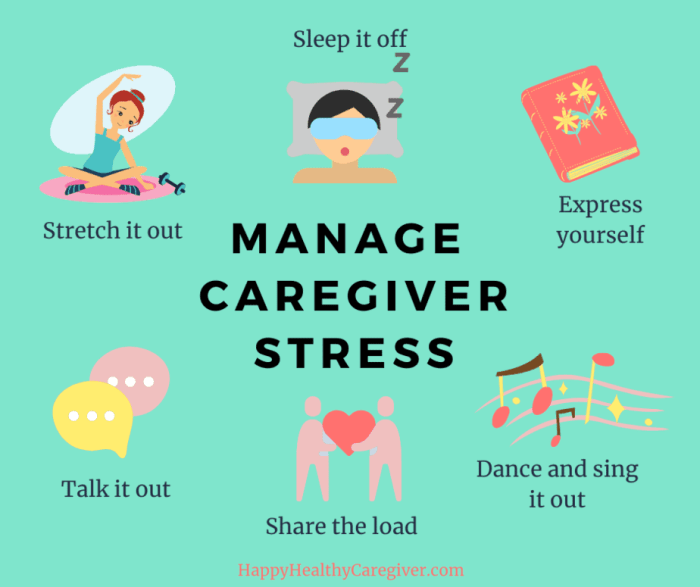
Maintaining a healthy lifestyle is crucial for caregivers to ensure they have the energy and resilience needed to provide care effectively. This includes focusing on a balanced diet, regular exercise, and engaging in hobbies and leisure activities that bring joy and relaxation.
Examples of a Healthy Lifestyle for Caregivers
- Eating a variety of fruits, vegetables, whole grains, and lean proteins to ensure essential nutrients are consumed.
- Drinking plenty of water throughout the day to stay hydrated and support overall health.
- Incorporating physical activity into daily routines, such as walking, yoga, or other forms of exercise.
- Getting an adequate amount of sleep each night to promote physical and mental well-being.
Benefits of Maintaining a Balanced Diet and Regular Exercise
- A balanced diet provides the necessary nutrients for the body to function optimally and helps maintain overall health.
- Regular exercise improves physical fitness, reduces stress, and boosts mood through the release of endorphins.
- Combining a balanced diet with exercise can help prevent chronic diseases and enhance longevity.
How Hobbies and Leisure Activities Contribute to a Healthy Lifestyle
- Engaging in hobbies and leisure activities provides a break from caregiving responsibilities and allows for relaxation and stress relief.
- Hobbies can promote creativity, self-expression, and personal fulfillment, contributing to a sense of well-being.
- Participating in leisure activities with friends or loved ones can foster social connections and emotional support, enhancing overall mental health.
Medical Innovations
In the realm of caregiving, medical innovations play a crucial role in aiding caregivers to manage stress effectively. These technological advancements provide caregivers with tools and devices that can simplify their tasks and enhance the quality of care they provide to their loved ones.
Smart Health Monitoring Devices
Smart health monitoring devices, such as wearable gadgets and mobile apps, have revolutionized the way caregivers track the health status of their patients. These devices can monitor vital signs, medication schedules, and activity levels, providing real-time data and alerts to caregivers. By utilizing these innovative tools, caregivers can proactively manage their patients’ health and respond promptly to any changes or emergencies.
Telemedicine Services
Telemedicine services have become increasingly popular among caregivers as they offer convenient access to healthcare professionals without the need for in-person visits. Caregivers can consult with doctors, specialists, or therapists remotely, seeking advice and guidance on managing their patients’ conditions. This virtual healthcare approach not only saves time but also reduces the stress associated with frequent medical appointments and travel.
Robotic Assistance Devices
Robotic assistance devices, such as lifting aids, automated medication dispensers, and remote monitoring systems, have significantly eased the physical strain on caregivers. These robots can perform repetitive tasks, assist with mobility issues, and ensure medication adherence, allowing caregivers to focus on providing emotional support and companionship to their loved ones. By incorporating robotics into their caregiving routine, caregivers can reduce their workload and prevent burnout.
Nutritional Supplements
Nutritional supplements play a vital role in supporting the well-being of caregivers by providing essential vitamins, minerals, and nutrients that may be lacking in their diet due to stress and busy schedules. These supplements can help manage stress levels, boost immunity, and improve overall health.
Common Supplements for Stress Management and Immunity Boost
- Vitamin D: Known as the sunshine vitamin, it helps regulate mood and reduce stress. It also supports immune function.
- Magnesium: Helps to relax muscles, improve sleep quality, and reduce anxiety and stress.
- Omega-3 fatty acids: Have anti-inflammatory properties that can help reduce stress and boost cognitive function.
- Vitamin C: A powerful antioxidant that supports the immune system and helps reduce the impact of stress on the body.
- B-complex vitamins: Essential for energy production, mood regulation, and stress management.
Importance of Consulting Healthcare Professionals
It is crucial for caregivers to consult healthcare professionals before taking any nutritional supplements. Healthcare providers can assess individual needs, identify potential interactions with medications, and recommend the right dosage for optimal benefits. This personalized approach ensures safe and effective supplementation tailored to the caregiver’s specific health requirements.
Fitness Routine
As a caregiver, it’s essential to prioritize your physical health through a suitable fitness routine. Regular exercise not only helps in reducing stress but also improves overall health and well-being.
Benefits of Physical Activity for Caregivers
- Improves cardiovascular health and reduces the risk of chronic diseases.
- Boosts mood and reduces symptoms of anxiety and depression.
- Increases energy levels, making it easier to handle the demands of caregiving.
- Enhances strength, flexibility, and balance, reducing the risk of injuries.
Easy Exercises for Caregivers
- Brisk walking: Take a brisk walk around the neighborhood or in a nearby park for at least 30 minutes a day.
- Bodyweight exercises: Incorporate exercises like squats, lunges, push-ups, and planks into your routine for strength training.
- Yoga or stretching: Practice gentle yoga or stretching exercises to improve flexibility and reduce muscle tension.
- Dance: Put on some music and dance around your living room to get your heart rate up and have fun while exercising.
Health Screenings
Regular health screenings are crucial for caregivers to monitor their own health and detect any potential issues early on. As caregivers often prioritize the well-being of others, it’s essential for them to also take care of themselves through routine screenings.
Common Health Screenings
- Blood pressure checks: Regular monitoring can help identify hypertension, a common health issue among caregivers due to stress.
- Cholesterol levels: High cholesterol can increase the risk of heart disease, so getting tested regularly is important.
- Diabetes screening: Caregivers may be at risk for diabetes due to lifestyle factors, so screening for this condition is crucial.
- Cancer screenings: Depending on age and risk factors, caregivers should undergo screenings for breast, cervical, colorectal, and prostate cancer.
Scheduling and Prioritizing Screenings
It can be challenging for caregivers to find time for their own health needs, but prioritizing screenings is essential for long-term well-being. Here are some tips for scheduling and prioritizing health screenings:
- Make a list of recommended screenings based on age, gender, and family history.
- Consult with a healthcare provider to create a screening schedule that fits your needs.
- Set reminders or alarms to ensure you don’t miss any screenings.
- Consider scheduling screenings on the same day to save time and make it easier to remember.
Disease Prevention
Preventing diseases is crucial for caregivers to maintain their own health and well-being, as well as that of their loved ones. By implementing strategies for disease prevention, caregivers can create a safe and healthy environment that minimizes the risk of illnesses.
Role of Vaccinations and Preventive Healthcare Measures
Vaccinations play a vital role in preventing infectious diseases among caregivers and those they care for. Ensuring that all recommended vaccines are up to date can significantly reduce the spread of illnesses. Additionally, regular health check-ups, screenings, and preventive healthcare measures can help identify potential health issues early on, allowing for timely interventions and treatment.
Creating a Safe and Healthy Environment
- Encourage regular handwashing: Promoting good hand hygiene practices can help prevent the spread of germs and infections.
- Maintain a clean living space: Keeping living areas clean and sanitized can reduce the risk of exposure to harmful bacteria and viruses.
- Promote a healthy diet: Encouraging nutritious eating habits can boost the immune system and overall health, reducing the likelihood of developing chronic conditions.
- Encourage physical activity: Regular exercise can strengthen the body, improve cardiovascular health, and reduce the risk of various diseases.
- Manage stress levels: Stress can weaken the immune system, making individuals more susceptible to illnesses. Implementing stress management techniques can help caregivers maintain their health.
Sleep Hygiene: Stress Management For Caregivers
Good sleep hygiene plays a crucial role in managing stress for caregivers. It is essential for overall health and well-being, as adequate rest allows the body and mind to recharge, reducing the impact of stress and improving cognitive function.
Tips for Improving Sleep Quality
- Avoiding caffeine, nicotine, and heavy meals close to bedtime.
- Creating a comfortable and relaxing sleep environment, with a cool room temperature and minimal noise.
- Establishing a consistent bedtime routine to signal to your body that it’s time to wind down.
- Limiting screen time before bed, as the blue light emitted by devices can disrupt sleep patterns.
Impact of Adequate Rest on Overall Health
Getting enough quality sleep is crucial for caregivers to maintain their physical and mental health. It helps regulate mood, improve concentration, and enhance immune function. Chronic sleep deprivation can lead to an increased risk of developing health issues such as heart disease, obesity, and depression.
Mental Clarity
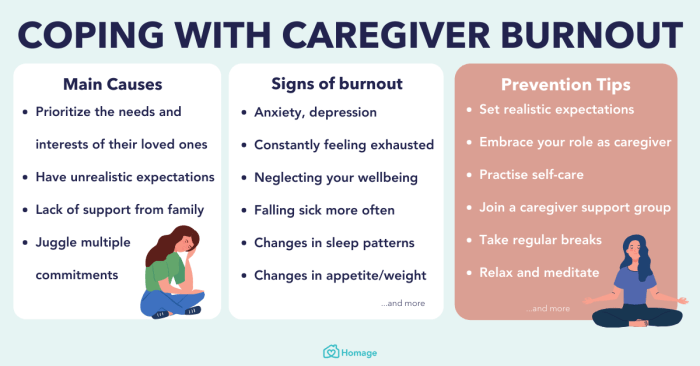
Maintaining mental clarity is essential for caregivers to effectively manage stress and provide optimal care to their loved ones. By incorporating mindfulness practices, cognitive strategies, and mental exercises into their daily routine, caregivers can enhance their focus and emotional balance.
Mindfulness Practices, Stress management for caregivers
- Practice deep breathing exercises to center yourself and reduce anxiety levels.
- Engage in meditation sessions to calm the mind and improve concentration.
- Utilize mindfulness apps or guided imagery to stay present and alleviate stress.
Cognitive Strategies
- Practice positive self-talk to challenge negative thoughts and promote a healthy mindset.
- Set realistic goals and prioritize tasks to avoid feeling overwhelmed or scattered.
- Engage in problem-solving techniques to address challenges proactively and reduce stress levels.
Mental Exercises
- Engage in puzzles, crosswords, or Sudoku to stimulate cognitive function and enhance mental clarity.
- Journaling can help process emotions, organize thoughts, and improve mental well-being.
- Visualizations and affirmations can boost confidence, reduce anxiety, and promote a positive mindset.
Hydration Importance
Maintaining proper hydration is crucial for caregivers to ensure they can effectively take care of others while also looking after themselves. Dehydration can lead to a range of health issues and negatively impact both physical and mental well-being.
Benefits of Proper Hydration
- Improved cognitive function and focus
- Enhanced mood and reduced stress levels
- Boosted energy levels and overall performance
- Regulated body temperature and optimal organ function
Tips for Caregivers to Stay Hydrated
- Carry a reusable water bottle with you at all times and set reminders to drink water regularly throughout the day.
- Infuse water with fruits or herbs to add flavor and make hydration more enjoyable.
- Avoid excessive consumption of caffeinated or sugary beverages, as they can contribute to dehydration.
- Monitor your urine color – clear or light yellow urine indicates proper hydration.
- Incorporate hydrating foods like fruits, vegetables, and soups into your meals.
Answers to Common Questions
How can caregivers find time for self-care?
Carving out small pockets of time throughout the day for self-care activities like meditation, reading, or a quick walk can make a big difference.
Are there specific exercises suitable for caregivers with limited time?
Yes, quick workouts like high-intensity interval training (HIIT), yoga, or even a brisk walk can be beneficial for caregivers short on time.
What role do hobbies play in reducing caregiver stress?
Engaging in hobbies can act as a form of relaxation and distraction, allowing caregivers to unwind and refocus their energy.


More Stories
Hydration and its role in reducing fatigue – Stay Refreshed, Stay Energized!
Hydration and its relationship to heart health: The Key to a Healthy Heart
Sleep hygiene techniques for improving sleep efficiency