Stress Management

Regular physical activity has been proven to be an effective way to manage stress levels. Cooling down after a fitness routine plays a crucial role in this process by helping the body transition from a state of high intensity to a state of rest and relaxation. This transition allows the body to release tension, both physically and mentally, promoting a sense of calm and well-being.
Connection Between Physical Activity and Stress Relief
- Physical activity stimulates the production of endorphins, often referred to as “feel-good” hormones, which can help reduce feelings of stress and anxiety.
- Engaging in a cool-down routine after exercising helps regulate breathing and heart rate, promoting a sense of relaxation and reducing cortisol levels, the hormone associated with stress.
- By incorporating calming exercises such as deep breathing, gentle stretching, and yoga poses during the cool-down phase, individuals can further enhance the stress-relieving benefits of their workout.
Calming Cool-Down Exercises for Stress Management
- Deep Breathing: Taking slow, deep breaths can help lower heart rate, reduce muscle tension, and promote a sense of relaxation.
- Gentle Stretching: Performing gentle stretches can help release tight muscles and improve flexibility, contributing to a sense of physical and mental well-being.
- Yoga Poses: Incorporating yoga poses such as child’s pose, downward dog, and seated twists can help calm the mind, relieve stress, and improve overall relaxation.
Healthy Lifestyle
Regularly incorporating a proper cool-down routine into your fitness regimen is crucial for maintaining a healthy lifestyle. Cooling down after exercise helps your body gradually transition from a state of exertion to a state of rest, reducing the risk of injury and muscle soreness.
Designing an Effective Cool-Down Session
- Include gentle stretching exercises targeting the major muscle groups that were engaged during your workout.
- Incorporate deep breathing and relaxation techniques to help lower your heart rate and promote overall relaxation.
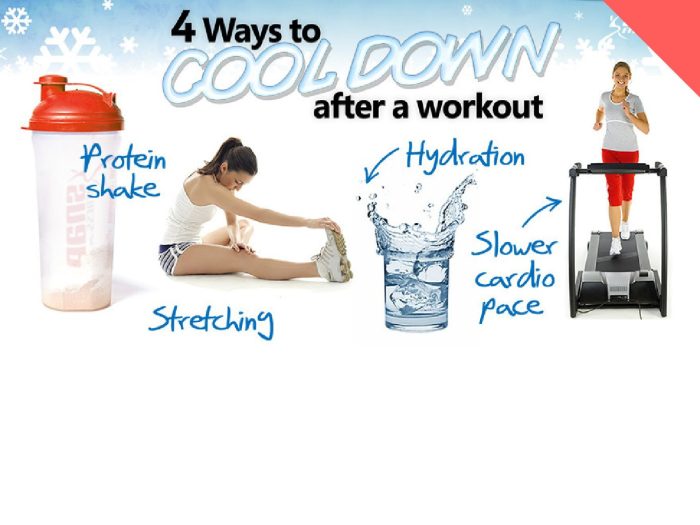
- Hydrate your body by drinking water to replenish fluids lost during exercise.
- Consider using foam rollers or massage tools to release tension in muscles and improve circulation.
Long-Term Benefits of Cooling Down
- Improved flexibility and range of motion over time, reducing the risk of injuries in future workouts.
- Enhanced recovery by aiding in the removal of waste products like lactic acid from muscles, reducing muscle soreness.
- Promotion of mental relaxation and stress relief, contributing to overall well-being and a positive mindset.
- Consistent practice of cooling down can lead to better workout performance and increased endurance levels.
Medical Innovations
Importance of cooling down after a fitness routine – Medical research and innovations have shed light on the importance of cooling down after a workout in optimizing health outcomes. Advancements in medical technology have deepened our understanding of post-workout recovery, leading to more precise recommendations from medical professionals.
Impact of Cooling Down
Recent studies have shown that cooling down after exercise can help reduce muscle soreness and prevent injury. It allows the body to gradually transition from a state of high activity to a resting state, promoting better circulation and oxygen delivery to muscles. This process aids in the removal of metabolic waste products, such as lactic acid, which can accumulate during intense physical activity.
Enhanced Recovery Techniques
- Compression therapy: Medical professionals now recommend the use of compression garments or devices during the cooling down phase to promote blood flow and reduce inflammation in muscles.
- Cryotherapy: The use of cold therapy, such as ice baths or cryo chambers, has been shown to accelerate recovery by reducing muscle soreness and inflammation.
- Active recovery exercises: Incorporating low-intensity movements during the cooling down phase can help flush out toxins and improve flexibility, further enhancing the recovery process.
Optimizing Health Outcomes
Medical professionals emphasize the importance of a proper cooldown routine to optimize health outcomes and prevent long-term damage to the body. By following evidence-based guidelines for cooling down, individuals can reduce the risk of overuse injuries, improve muscle recovery, and enhance overall performance in subsequent workouts.
Nutritional Supplements
After a rigorous workout, the body needs proper care and nourishment to recover effectively. Nutritional supplements play a crucial role in supporting muscle recovery and overall post-exercise cool-down.
Role of Protein Supplements
Protein is essential for muscle repair and growth, making it a key component in post-workout recovery. Supplementing with protein shakes or bars can provide the necessary amino acids to support muscle recovery.
Role of BCAAs
Branched-chain amino acids (BCAAs) are known for their ability to reduce muscle soreness and fatigue after exercise. These supplements can aid in faster recovery and promote muscle protein synthesis.
Role of Omega-3 Fatty Acids
Omega-3 fatty acids have anti-inflammatory properties that can help reduce muscle inflammation post-exercise. Including fish oil supplements in your diet can support joint health and overall recovery.
Importance of Balanced Diet, Importance of cooling down after a fitness routine
While nutritional supplements can be beneficial, they should not replace a balanced diet. Consuming a variety of whole foods like lean proteins, fruits, vegetables, and whole grains is essential for providing the body with the necessary nutrients for optimal recovery.
Fitness Routine: Importance Of Cooling Down After A Fitness Routine
To maintain a well-rounded fitness routine, it is essential to not only focus on the workout itself but also on the post-exercise recovery. Incorporating a cool-down phase into your fitness routine plays a crucial role in aiding muscle recovery, preventing injury, and promoting overall well-being.
Significance of Cool-Down Phase
- Reduces muscle soreness: A proper cool-down helps to gradually decrease heart rate and loosen tight muscles, reducing the likelihood of soreness the following day.
- Improves flexibility: Stretching during the cool-down phase can help improve flexibility and range of motion, enhancing overall athletic performance.
- Enhances recovery: Cooling down allows the body to transition from a state of exertion to a state of rest, promoting better recovery and reducing the risk of injury.
Ideal Duration and Exercises
It is recommended to spend at least 5-10 minutes on a cool-down session following an intense workout. This period should include light aerobic exercises such as walking or cycling, followed by static stretches targeting major muscle groups.
Benefits of Cooling Down vs. Skipping
- Benefits of Cooling Down: Properly cooling down can help improve circulation, reduce muscle tension, and promote relaxation, ultimately enhancing workout recovery and performance.
- Risks of Skipping: Skipping the cool-down phase can lead to muscle stiffness, increased risk of injury, and delayed recovery, hindering progress and potentially causing setbacks in your fitness journey.
Health Screenings
Regular cooling down after a fitness routine can have a significant impact on the results of health screenings. Cooling down helps the body return to a state of rest gradually, which can contribute to more accurate readings during screenings. It allows the heart rate to decrease gradually, which can affect indicators such as blood pressure and heart rate variability.
Preventing Injuries for Improved Health Screenings
- Cooling down after exercise helps prevent injuries that could potentially affect the results of health screenings. By allowing the muscles to relax and reducing the risk of strains or sprains, cooling down promotes overall physical well-being.
- Stretching during the cool-down phase can also help improve flexibility and mobility, reducing the likelihood of musculoskeletal issues that could impact health screenings.
Integrating Cooling Down for Better Health Indicators
- Allocate at least 5-10 minutes at the end of each workout for a proper cool-down routine. This could include light jogging or walking, followed by stretching exercises targeting major muscle groups.
- Hydration is key during the cool-down phase to aid in the body’s recovery process. Drink water to replace fluids lost during exercise and support overall health.
- Listen to your body and adjust the intensity of your cool-down based on how you feel. Cooling down should not be rushed, as it plays a vital role in post-workout recovery and overall health maintenance.
Disease Prevention
When it comes to disease prevention, cooling down after a fitness routine plays a crucial role in maintaining overall health and well-being. Let’s delve into how this simple practice can significantly reduce the risk of certain diseases.
Role of Cooling Down in Disease Prevention
Cooling down after exercise helps the body transition from a state of heightened activity to a state of rest. This gradual decrease in heart rate and breathing rate can have a positive impact on various bodily functions, including the immune system. By allowing the body to return to its normal state in a controlled manner, cooling down supports the immune system’s ability to function optimally, thereby enhancing the body’s defense against pathogens and reducing the risk of infections and illnesses.
Specific Diseases Prevented by Cooling Down
- Cancer: Studies have shown that regular physical activity, including proper post-exercise cooling down, can help reduce the risk of certain types of cancer, such as breast and colon cancer.
- Heart Disease: Cooling down after a workout can contribute to heart health by promoting better circulation, lowering blood pressure, and reducing the risk of cardiovascular diseases.
- Diabetes: Maintaining a consistent exercise routine with proper cooling down can aid in managing blood sugar levels and decreasing the likelihood of developing type 2 diabetes.
- Stroke: By promoting relaxation and stress reduction, cooling down can play a role in preventing strokes by maintaining healthy blood flow and reducing the risk factors associated with stroke.
Sleep Hygiene
Having a good sleep hygiene is essential for overall health and well-being. It involves practicing habits that promote quality and restful sleep.
How Cooling Down Contributes to Better Sleep Hygiene
Cooling down after a fitness routine helps to gradually lower your heart rate and relax your muscles. This process signals to your body that it’s time to wind down, which can aid in preparing your body for a restful night’s sleep.
- By incorporating a cool-down routine into your evening schedule, you can signal to your body that it’s time to relax and unwind before bedtime.
- Engaging in gentle stretching or yoga poses during your cool-down can help release tension in your muscles, promoting a sense of calmness that is conducive to falling asleep.
- Practicing deep breathing exercises during your cool-down can also help reduce stress and anxiety, allowing you to transition into a more peaceful state of mind before sleep.
Connection Between Relaxation Techniques During Cool-Down and Improved Sleep Quality
Relaxation techniques such as deep breathing, meditation, and gentle stretching during your cool-down can help calm your mind and body, promoting better sleep quality.
By incorporating relaxation techniques into your cool-down routine, you can create a sense of calm that can carry over into your bedtime, improving your overall sleep quality.
Tips for Incorporating Cool-Down Practices into a Bedtime Routine for Optimal Sleep
Creating a bedtime routine that includes a dedicated cool-down period can significantly improve your sleep hygiene and overall sleep quality.
- Allocate 10-15 minutes before bedtime for a cool-down routine that includes gentle stretches, deep breathing exercises, and relaxation techniques.
- Avoid engaging in stimulating activities or using electronic devices during your cool-down period to allow your body and mind to relax fully.
- Consider incorporating calming activities such as reading a book, taking a warm bath, or listening to soothing music into your bedtime routine to enhance the relaxation effects of your cool-down.
Mental Clarity
Regular exercise is not only beneficial for physical health but also plays a crucial role in improving mental clarity. Cooling down after a workout can further enhance this cognitive aspect by helping to clear the mind and improve focus. Let’s delve deeper into how incorporating a cool-down routine into your daily workouts can provide cognitive benefits.
Enhanced Brain Function
- Cooling down after exercise helps regulate blood flow, ensuring that oxygen and nutrients are efficiently delivered to the brain. This improved circulation can enhance brain function and cognitive abilities.
- Reducing body temperature through a proper cool-down routine can also have a positive impact on mental clarity, as it can help alleviate stress and promote relaxation, allowing the mind to function more effectively.
Stress Reduction
- After a challenging workout, the body releases endorphins that can uplift mood and reduce stress levels. A cool-down session can prolong this post-exercise euphoria, leading to improved mental clarity and a more positive outlook.
- By incorporating relaxation techniques such as deep breathing or gentle stretching during the cool-down phase, individuals can further reduce stress and anxiety, fostering a clearer and more focused mind.
Improved Concentration
- Engaging in a cool-down routine post-workout allows the body and mind to transition from a state of high activity to a state of rest. This transition period can enhance concentration levels and mental alertness, making it easier to tackle cognitive tasks with clarity and efficiency.
- Consistent practice of cooling down after exercise not only promotes physical recovery but also supports mental rejuvenation, ensuring that individuals are better equipped to handle mental challenges throughout the day.
Hydration Importance
Staying hydrated is crucial during and after a workout to ensure optimal performance and recovery.
The Role of Hydration in Post-Exercise Recovery
Proper hydration complements the effects of cooling down by helping to regulate body temperature, maintain electrolyte balance, and support muscle function.
Guidelines for Maintaining Adequate Hydration Levels
- Drink water before, during, and after exercise to replace fluids lost through sweat.
- Monitor urine color – pale yellow indicates proper hydration, while dark yellow may signal dehydration.
- Consider electrolyte-rich drinks for intense workouts lasting longer than an hour.
- Calculate fluid needs based on body weight – aim for about 0.5-1 ounce of water per pound of body weight per day.
- Listen to your body – thirst is a signal that you need to drink more water.
Questions and Answers
How does cooling down after a fitness routine help with stress management?
Cooling down helps lower cortisol levels and promotes relaxation, reducing stress post-exercise.
What are some examples of calming cool-down exercises for stress management?
Yoga stretches, deep breathing exercises, and gentle walking are great options for cooling down and managing stress.
Why is it important to incorporate a cool-down routine for overall well-being?
A proper cool-down routine helps prevent muscle soreness, improves flexibility, and aids in overall recovery post-workout.


More Stories
Adjust Your Fitness Routine for Different Goals