Introduction to Iron Supplements for Energy Levels
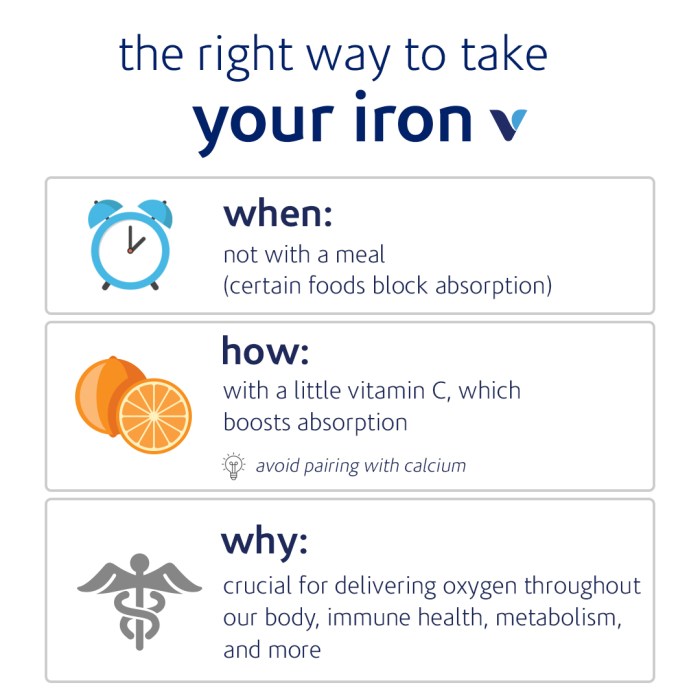
Iron supplements are a form of oral supplement that provide additional iron to the body. Iron is a vital mineral that plays a key role in the production of red blood cells, which are responsible for carrying oxygen to various parts of the body. By boosting iron levels, these supplements can help increase energy levels and combat conditions like iron deficiency anemia.
Iron is essential for overall health and well-being, as it is involved in various physiological processes, including energy production. Without an adequate amount of iron, the body may struggle to produce sufficient energy, leading to fatigue and weakness. Therefore, maintaining optimal iron levels is crucial for sustaining energy levels and overall vitality.
Some examples of foods rich in iron include red meat, poultry, fish, lentils, beans, spinach, and fortified cereals. By incorporating these iron-rich foods into your diet, you can naturally supplement your iron intake and support healthy energy levels.
Benefits of Iron Supplements for Energy Levels
Iron supplements can effectively boost iron levels in the body, aiding in the production of hemoglobin and myoglobin, which are essential for oxygen transport and energy metabolism. By increasing iron stores, these supplements can help alleviate symptoms of fatigue and improve overall energy levels.
- Enhanced oxygen transport: Iron is a key component of hemoglobin, the protein in red blood cells that carries oxygen from the lungs to tissues throughout the body. Adequate iron levels ensure efficient oxygen transport, supporting energy production.
- Improved energy metabolism: Iron is also necessary for the formation of myoglobin, a protein that stores oxygen in muscle cells. By promoting the proper functioning of myoglobin, iron supplements can enhance energy metabolism and physical performance.
- Prevention of iron deficiency anemia: Iron supplements are commonly prescribed to individuals with iron deficiency anemia, a condition characterized by low red blood cell counts and decreased oxygen delivery. By replenishing iron stores, these supplements can help prevent and treat anemia, leading to increased energy levels.
How Iron Deficiency Affects Energy Levels
Iron deficiency can have a significant impact on energy levels as iron plays a crucial role in the production of hemoglobin, a protein in red blood cells that carries oxygen throughout the body. When the body lacks iron, it can lead to various symptoms that affect energy levels.
Symptoms of Iron Deficiency
- Fatigue and weakness
- Shortness of breath
- Dizziness or lightheadedness
- Pale skin
- Cold hands and feet
Types of Iron Supplements and Effectiveness
- Ferrous Sulfate: This is a common form of iron supplement and is generally well-absorbed by the body.
- Ferrous Gluconate: This type of iron supplement is often recommended for individuals who experience gastrointestinal side effects from other forms of iron.
- Iron Bisglycinate: Known for its high absorption rate and minimal gastrointestinal side effects.
It’s essential to consult with a healthcare provider to determine the most suitable type of iron supplement for your specific needs.
Recommended Daily Intake of Iron for Adults
The recommended daily intake of iron for adults varies based on age and gender. Here are the general guidelines:
- Men aged 19-50: 8 mg per day
- Women aged 19-50: 18 mg per day
- Pregnant women: 27 mg per day
- Postmenopausal women: 8 mg per day
Best Practices for Taking Iron Supplements
Taking iron supplements properly is crucial to ensure optimal absorption and minimize potential side effects. Here are some best practices to consider:
When to Take Iron Supplements
- Take iron supplements on an empty stomach to enhance absorption, but if they cause stomach upset, you can take them with a small amount of food.
- Consider taking iron supplements with vitamin C to improve absorption, as vitamin C helps convert iron into a form that is easier for the body to absorb.
Avoiding Common Side Effects
- Stay hydrated by drinking plenty of water throughout the day to help prevent constipation, a common side effect of iron supplements.
- If you experience stomach upset, try taking the supplements with a meal or switch to a different form of iron that is gentler on the stomach.
Regular Blood Tests for Monitoring
- It is essential to have your iron levels monitored regularly by your healthcare provider while taking iron supplements to ensure that you are not overloading your body with iron.
- Regular blood tests can help determine if the supplements are effectively increasing your iron levels and if any adjustments are needed to your dosage.
Iron Supplements and Fitness Routine
Iron supplements play a crucial role in enhancing athletic performance and endurance by optimizing oxygen transport to muscles and increasing energy levels. Many athletes and fitness enthusiasts have experienced significant benefits from incorporating iron supplementation into their routine.
Benefits of Iron Supplements for Athletes, How to use iron supplements for energy levels
- Improved oxygen delivery to muscles, leading to enhanced endurance and performance during workouts.
- Prevention of fatigue and muscle weakness, allowing for longer and more intense training sessions.
- Faster recovery post-exercise, reducing the risk of injury and improving overall fitness progress.
Incorporating Iron-Rich Foods into Pre-Workout Meals
How to use iron supplements for energy levels – A well-balanced diet that includes iron-rich foods is essential for maintaining optimal energy levels during workouts. Here are some tips on incorporating iron-rich foods into your pre-workout meals:
- Include lean meats such as chicken or turkey, which are excellent sources of heme iron, in your meals to boost iron intake.
- Pair iron-rich plant-based foods like lentils, beans, and spinach with sources of vitamin C, such as citrus fruits, to enhance iron absorption.
- Consider adding fortified cereals, whole grains, and nuts to your pre-workout snacks for a sustained release of energy.
Impact of Iron Supplements on Stress Management
Iron levels play a crucial role in stress resilience, as iron deficiency can lead to increased levels of stress and anxiety. Studies have shown that maintaining adequate iron levels can help in managing stress effectively. Here, we will explore the relationship between iron supplements and stress management, along with strategies for reducing stress through a diet rich in iron.
Role of Iron in Stress Management
Iron is essential for the production of neurotransmitters like dopamine and serotonin, which play a key role in regulating mood and stress levels. Adequate iron levels ensure proper brain function and help in coping with stressful situations effectively.
Studies on Iron and Stress
Research has shown that individuals with iron deficiency are more prone to experiencing symptoms of stress, anxiety, and depression. By supplementing with iron, these individuals were able to improve their stress resilience and overall mental well-being.
Strategies for Stress Reduction with Iron-Rich Diet
– Include iron-rich foods such as lean meats, beans, nuts, and leafy greens in your diet to ensure an adequate intake of iron.
– Pair iron-rich foods with vitamin C sources like citrus fruits to enhance iron absorption in the body.
– Avoid excessive caffeine and alcohol consumption, as they can interfere with iron absorption and contribute to stress levels.
Sleep Hygiene and Iron Supplementation: How To Use Iron Supplements For Energy Levels
Iron deficiency can have a significant impact on sleep quality, leading to fatigue and a lack of energy throughout the day. When the body lacks iron, it can affect the production of neurotransmitters like dopamine and serotonin, which play a crucial role in regulating sleep patterns and overall energy levels. This can result in disrupted sleep, insomnia, and overall fatigue.
Improving Sleep Hygiene
It is essential to prioritize good sleep hygiene practices to complement the effects of iron supplements on energy levels. Here are some tips to improve sleep quality:
- Avoid caffeine and stimulants close to bedtime.
- Create a relaxing bedtime routine to signal your body that it’s time to wind down.
- Ensure your sleep environment is conducive to rest, with a comfortable mattress and pillows.
- Avoid screen time before bed, as the blue light can interfere with melatonin production.
Consistent Sleep Schedule
Having a consistent sleep schedule is crucial for overall health and energy restoration. Your body thrives on routine, and going to bed and waking up at the same time each day can help regulate your circadian rhythm and improve the quality of your sleep. Aim for 7-9 hours of quality sleep each night to support the effects of iron supplementation on your energy levels.
Hydration Importance in Conjunction with Iron Supplements
Maintaining adequate hydration is crucial when taking iron supplements as it can impact the absorption of iron in the body. Dehydration can hinder the body’s ability to absorb nutrients effectively, including iron.
Impact of Hydration on Iron Absorption
- Hydration levels affect the volume of blood in the body, which in turn impacts how efficiently iron is transported.
- Dehydration can lead to reduced blood flow to the intestines, where iron absorption primarily occurs, affecting the absorption process.
- Drinking enough water helps dilute the iron supplement in the stomach, making it easier for the body to absorb without causing gastrointestinal issues.
Recommendations for Hydration while Taking Iron Supplements
- Drink at least 8-10 glasses of water per day to maintain optimal hydration levels.
- Avoid excessive caffeine and alcohol consumption, as they can contribute to dehydration.
- Consider consuming hydrating foods like fruits and vegetables to supplement your water intake.
Benefits of Staying Hydrated for Energy Levels and Overall Health
- Proper hydration supports energy production and helps the body function efficiently, which can positively impact energy levels.
- Staying hydrated improves circulation, aiding in the delivery of oxygen and nutrients to cells, including those involved in energy metabolism.
- Hydration is essential for maintaining overall health, supporting digestion, regulating body temperature, and facilitating various bodily functions.
Commonly Asked Questions
How do I know if I need iron supplements?
If you experience symptoms like fatigue, weakness, or pale skin, consult a healthcare provider to determine if iron supplements are necessary.
Can I take iron supplements with other medications?
It’s best to consult a healthcare provider before combining iron supplements with other medications to avoid potential interactions.
Are there natural alternatives to iron supplements for boosting energy?
Yes, incorporating iron-rich foods like spinach, lentils, and red meat into your diet can naturally boost your iron levels and energy.
How long does it take to feel the effects of iron supplements on energy levels?
The time to feel the effects can vary, but with consistent use, many individuals notice an improvement in energy levels within a few weeks.


More Stories
Hydration and its role in reducing fatigue – Stay Refreshed, Stay Energized!
Hydration and its relationship to heart health: The Key to a Healthy Heart
Sleep hygiene techniques for improving sleep efficiency