Benefits of Prenatal Vitamin Supplements
Prenatal vitamin supplements play a crucial role in supporting a healthy pregnancy by providing essential nutrients that are vital for the development of the baby and the well-being of the mother.
Importance of Prenatal Vitamins During Pregnancy
Prenatal vitamins are specifically formulated to meet the increased nutritional needs of pregnant women. They help fill in any nutritional gaps in the mother’s diet, ensuring that both the mother and the baby receive all the necessary vitamins and minerals for optimal health.
Specific Nutrients in Prenatal Vitamins and Their Role in Fetal Development
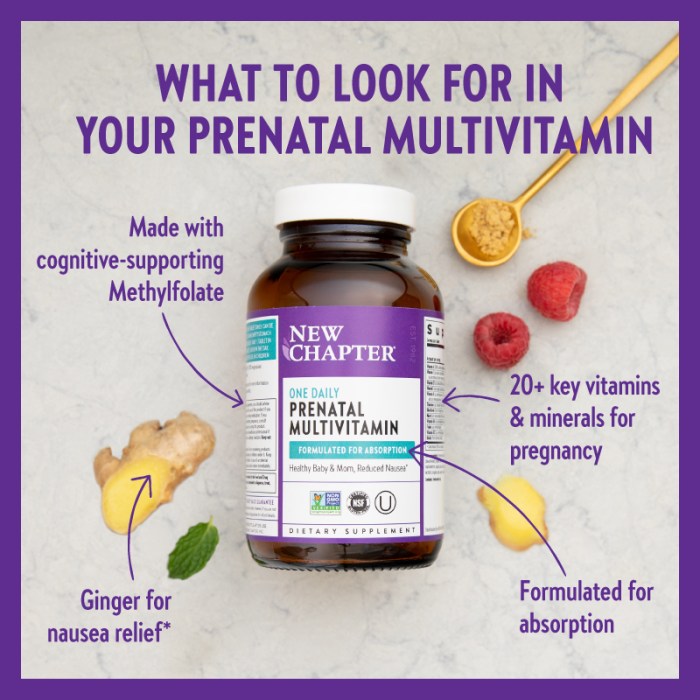
Prenatal vitamins typically contain key nutrients such as folic acid, iron, calcium, and omega-3 fatty acids. These nutrients are essential for the proper development of the baby’s brain, bones, and overall growth during pregnancy.
Preventing Birth Defects and Supporting Maternal Health
Folic acid, found in prenatal vitamins, is particularly important in preventing neural tube defects in the baby. Additionally, iron helps prevent anemia in the mother and supports the baby’s growth by ensuring an adequate oxygen supply. Calcium is essential for bone development in the baby, while omega-3 fatty acids support the baby’s brain and eye development.
Potential Benefits for Overall Pregnancy Well-being
Taking prenatal vitamins can help reduce the risk of certain pregnancy complications, such as preterm birth and low birth weight. They can also help alleviate common pregnancy symptoms like fatigue and nausea, promoting a healthier pregnancy overall.
Stress Management
Stress management is crucial for expectant mothers to ensure a healthy pregnancy and well-being for both mother and baby. High levels of stress can have a negative impact on pregnancy outcomes, including preterm birth and low birth weight. It is essential for pregnant women to find effective ways to alleviate stress and promote relaxation during this critical time.
Effective Stress Management Techniques
- Practice deep breathing exercises to calm the mind and body.
- Engage in regular physical activity, such as prenatal yoga or swimming.
- Seek social support from friends, family, or a support group.
- Consider mindfulness meditation to focus on the present moment and reduce anxiety.
Impact of Stress on Pregnancy Outcomes
- High levels of stress can increase the risk of complications during pregnancy.
- Chronic stress may lead to gestational hypertension or preeclampsia.
- Stress can affect fetal development and lead to behavioral issues in children.
Importance of Relaxation and Mindfulness Practices
- Relaxation techniques like guided imagery or progressive muscle relaxation can help reduce stress levels.
- Mindfulness practices promote awareness of thoughts and feelings without judgment.
- Yoga and meditation can improve sleep quality and overall well-being.
Positive Influence of Stress Management on Maternal and Fetal Health
- Reducing stress levels can lead to better pregnancy outcomes and a healthier baby.
- Improved maternal mental health can enhance bonding with the baby after birth.
- Stress management techniques can lower the risk of postpartum depression.
Healthy Lifestyle
Maintaining a healthy lifestyle during pregnancy is crucial for the well-being of both the mother and the baby. This includes focusing on balanced nutrition, regular exercise, adequate rest, and managing pregnancy-related discomfort.
Components of a Healthy Lifestyle
- Balanced Nutrition: Eating a variety of fruits, vegetables, whole grains, lean proteins, and dairy products can provide essential nutrients for the mother and baby’s development.
- Regular Exercise: Engaging in safe and moderate physical activity, such as walking, swimming, or prenatal yoga, can help improve circulation, reduce stress, and promote overall health.
- Adequate Rest: Getting enough sleep and taking breaks throughout the day can help the body recover and reduce fatigue during pregnancy.
Managing Pregnancy-Related Discomfort
- Maintaining a Healthy Weight: Consult with your healthcare provider to determine a healthy weight gain goal and monitor your progress throughout pregnancy.
- Managing Nausea and Fatigue: Eating small, frequent meals, staying hydrated, and taking breaks when needed can help alleviate symptoms of nausea and fatigue.
- Dealing with Back Pain: Practicing good posture, using proper body mechanics, and gentle stretching exercises can help relieve back pain commonly experienced during pregnancy.
Benefits of Adopting a Healthy Lifestyle
- Promotes Baby’s Development: A healthy lifestyle can contribute to the baby’s growth, brain development, and overall well-being in the womb.
- Reduces Risk of Complications: By taking care of yourself through nutrition, exercise, and rest, you can lower the risk of pregnancy complications such as gestational diabetes and high blood pressure.
- Improves Maternal Health: A healthy lifestyle can help mothers maintain their energy levels, reduce stress, and improve their overall health during pregnancy and beyond.
Medical Innovations
Benefits of prenatal vitamins supplements – Medical innovations in prenatal care have revolutionized the way we approach the health of expectant mothers and their babies. These advancements have led to improved outcomes and better overall prenatal care.
Prenatal Screening Techniques
- Advancements in prenatal screening techniques, such as non-invasive prenatal testing (NIPT), have allowed for early detection of genetic disorders in the fetus.
- NIPT is a simple blood test that analyzes fetal DNA in the mother’s blood, providing accurate information about the baby’s risk for chromosomal abnormalities like Down syndrome.
- This non-invasive approach reduces the need for invasive procedures like amniocentesis, which pose a risk of miscarriage.
Diagnostic Tools
- New diagnostic tools, such as 3D and 4D ultrasounds, offer detailed images of the fetus, allowing healthcare providers to better monitor fetal development and detect any abnormalities.
- These advanced imaging techniques provide valuable information about the baby’s growth, organ development, and overall health while still in the womb.
- Early detection of potential issues through these diagnostic tools can lead to timely interventions and improved outcomes for both mother and baby.
Impact on Maternal and Fetal Health
- Medical innovations have significantly improved maternal and fetal health outcomes by enabling early detection and intervention in high-risk pregnancies.
- Technology has enhanced the accessibility of prenatal care, allowing more women to receive timely screenings and interventions to ensure a healthy pregnancy.
- These innovations have led to a decrease in maternal mortality rates and a reduction in the incidence of birth defects, ultimately improving the overall health and well-being of both mothers and babies.
Nutritional Supplements
When it comes to supporting prenatal health, nutritional supplements play a crucial role in providing essential vitamins and minerals needed for the healthy development of the baby and the well-being of the mother.
Types of Prenatal Supplements
- Prenatal Multivitamins: These supplements contain a combination of vitamins and minerals specifically tailored to meet the increased nutritional needs during pregnancy.
- Folic Acid Supplements: Folic acid is important for preventing birth defects and supporting proper brain development in the baby.
- Iron Supplements: Iron is essential for preventing anemia and supporting the increased blood volume during pregnancy.
- Omega-3 Fatty Acids: These supplements help in brain and eye development of the baby.
Consulting Healthcare Providers
It is crucial to consult healthcare providers before taking any prenatal supplements to ensure they are safe and necessary for your specific needs. They can provide guidance on the right dosage and type of supplements based on your individual health status.
Benefits and Risks
- Benefits: Prenatal nutritional supplements can help prevent birth defects, support the overall health of the baby, reduce the risk of pregnancy complications, and ensure the mother gets essential nutrients.
- Risks: While supplements are generally safe when taken as directed, there can be risks of overdosing on certain vitamins and minerals, which can have negative effects on both the mother and the baby. It is important to follow healthcare provider recommendations and not exceed the recommended dosage.
Fitness Routine: Benefits Of Prenatal Vitamins Supplements
Staying active during pregnancy is crucial for both the mother’s and baby’s health. Engaging in safe and effective exercise routines can help improve overall well-being, manage weight gain, reduce discomfort, and even prepare the body for labor.
Safe and Effective Exercise Routines
- Walking: A low-impact aerobic exercise that is gentle on the joints and can be easily modified based on fitness level.
- Swimming: Great for cardiovascular fitness and helps alleviate swelling and joint pain due to the buoyancy of water.
- Prenatal yoga: Improves flexibility, strength, and relaxation, promoting better sleep and reducing stress.
- Pilates: Focuses on strengthening the core muscles, which can help with posture and back pain during pregnancy.
Benefits of Staying Active During Pregnancy
- Boosts mood and energy levels, reducing the risk of depression and anxiety.
- Helps maintain a healthy weight and reduces the risk of gestational diabetes.
- Improves circulation and can help prevent constipation and swelling.
Tips for Modifying Exercise Routines
- Listen to your body and avoid exercises that cause discomfort or pain.
- Avoid high-impact activities and exercises that involve lying flat on your back after the first trimester.
- Stay hydrated, wear supportive shoes, and dress in loose, comfortable clothing.
Contribution to a Healthier Pregnancy and Labor
A consistent fitness routine can promote better endurance, strength, and flexibility, which are beneficial during labor and delivery. It can also help reduce the risk of complications and aid in a quicker postpartum recovery.
Health Screenings
Regular health screenings during pregnancy are essential to ensure the well-being of both the mother and the baby. These screenings help detect any potential issues early on, allowing for timely intervention and treatment.
Common Screenings for Expectant Mothers
- Blood Pressure Monitoring: Regular checks to detect hypertension, which can lead to complications like preeclampsia.
- Blood Tests: To check for anemia, infections, blood type, and Rh factor compatibility.
- Ultrasound Scans: To monitor fetal growth, development, and detect any abnormalities.
- Glucose Screening: To identify gestational diabetes, which can cause complications for both mother and baby.
Early Detection for Improved Outcomes
Regular health screenings can lead to early detection of any potential issues, allowing for timely intervention and treatment. This can significantly improve maternal and fetal outcomes by addressing problems before they escalate.
Following Healthcare Providers’ Recommendations
It is crucial for expectant mothers to follow their healthcare providers’ recommendations for screenings. These screenings are designed to ensure the health and safety of both the mother and the baby, and adhering to them can help prevent complications and ensure a smooth pregnancy journey.
Disease Prevention
Preventing common pregnancy-related complications and maintaining good health during pregnancy is crucial for the well-being of both the mother and the baby. Disease prevention plays a vital role in ensuring a safe and healthy pregnancy.
Strategies for Preventing Common Pregnancy-Related Complications
- Attend regular prenatal check-ups to monitor the progress of the pregnancy and address any potential issues early on.
- Follow a balanced diet rich in essential nutrients to support the health of both the mother and the developing baby.
- Stay physically active with the guidance of a healthcare provider to promote overall well-being and reduce the risk of complications.
- Avoid smoking, alcohol, and recreational drugs, as they can increase the risk of pregnancy complications.
Vaccinations and Preventive Measures During Pregnancy
- Ensure you are up to date on vaccinations recommended during pregnancy, such as the flu vaccine and Tdap vaccine to protect yourself and your baby from infections.
- Discuss with your healthcare provider about any additional vaccines that may be needed based on your health history and individual risk factors.
Importance of Good Hygiene Practices for Infection Prevention
- Wash hands frequently with soap and water to prevent the spread of germs and reduce the risk of infections.
- Avoid close contact with individuals who are sick to minimize exposure to illnesses that could harm you or your baby.
- Practice safe food handling and preparation to prevent foodborne illnesses that can pose a risk during pregnancy.
Significance of Disease Prevention for Maternal and Fetal Health
- Effective disease prevention measures can help reduce the likelihood of complications that may impact the health of both the mother and the developing baby.
- By prioritizing disease prevention, pregnant individuals can enhance the chances of a healthy pregnancy and reduce the risk of adverse outcomes.
Sleep Hygiene
Proper sleep hygiene is crucial during pregnancy to ensure the well-being of both the mother and the developing fetus. Adequate rest is essential for the body to repair and rejuvenate, especially during this period of increased physical and emotional demands.
Importance of Good Sleep Hygiene During Pregnancy
- Establishing a consistent bedtime routine can help signal to the body that it is time to wind down and prepare for sleep.
- Avoiding stimulants like caffeine and electronic devices before bedtime can promote better quality sleep.
- Creating a comfortable sleep environment, such as a cool, dark, and quiet room, can enhance sleep quality.
Common Sleep Disturbances Experienced by Expectant Mothers
- Increased frequency of nighttime awakenings due to hormonal changes and discomfort from physical changes.
- Difficulty finding a comfortable sleeping position as the pregnancy progresses.
- Insomnia, restless legs syndrome, and vivid dreams are also common sleep disturbances experienced by pregnant women.
Tips for Improving Sleep Quality and Quantity During Pregnancy
- Practice relaxation techniques such as deep breathing or prenatal yoga before bedtime to calm the mind and body.
- Use pillows to support different areas of the body and relieve pressure on the back, hips, and pelvis.
- Maintain a healthy diet, stay hydrated, and engage in regular physical activity to promote better sleep.
Impact of Adequate Sleep on Maternal Well-being and Fetal Development
Adequate sleep during pregnancy is crucial for the mother’s physical and mental health, reducing the risk of complications such as gestational diabetes and preterm birth.
Quality sleep also plays a vital role in fetal development, supporting healthy growth and brain development in the baby.
Mental Clarity
Maintaining mental clarity during pregnancy is crucial for overall well-being. It can help pregnant individuals make informed decisions, reduce stress, and enhance their overall pregnancy experience.
Relationship between Mental Clarity and Prenatal Health
- Research suggests that mental clarity plays a significant role in prenatal health, affecting both the mother and the developing baby.
- Clear thinking can lead to better stress management, improved sleep quality, and a more positive emotional state.
- When the mind is clear, pregnant individuals are better equipped to handle the physical and emotional challenges that come with pregnancy.
Benefits of Maintaining Mental Focus
- Enhanced decision-making abilities: Mental clarity can help pregnant individuals make informed choices about their health and well-being.
- Emotional well-being: Clear thinking can lead to reduced anxiety, improved mood, and overall emotional balance.
- Improved memory and cognitive function: Maintaining mental focus can enhance memory retention and cognitive abilities during pregnancy.
Techniques for Enhancing Mental Clarity
- Practice mindfulness and meditation to calm the mind and improve focus.
- Engage in regular physical activity to boost cognitive function and reduce brain fog.
- Eat a balanced diet rich in nutrients that support brain health, such as omega-3 fatty acids and antioxidants.
Influence of Mental Clarity on Pregnancy Experience
- Positive outlook: Maintaining mental clarity can lead to a more positive attitude towards pregnancy and parenthood.
- Reduced stress: Clear thinking can help pregnant individuals cope better with the physical and emotional demands of pregnancy.
- Enhanced bonding: Mental clarity can facilitate a stronger emotional connection with the baby, promoting a sense of well-being for both the mother and child.
Hydration Importance
Staying hydrated is crucial during pregnancy as it plays a vital role in the overall health of both the mother and the developing baby. Dehydration can have serious consequences on maternal health and fetal development, making it essential to prioritize adequate fluid intake throughout pregnancy.
Significance of Hydration, Benefits of prenatal vitamins supplements
- Proper hydration helps maintain amniotic fluid levels, which act as a cushion for the baby and aid in the development of the baby’s lungs and digestive system.
- It also supports the mother’s increased blood volume, which is necessary to supply nutrients and oxygen to the baby.
- Dehydration can lead to complications such as preterm labor, neural tube defects, low amniotic fluid levels, and even miscarriage.
Tips for Increasing Fluid Intake
- Carry a water bottle with you at all times to remind yourself to drink regularly.
- Include hydrating foods in your diet, such as fruits and vegetables with high water content.
- Avoid sugary and caffeinated drinks, as they can dehydrate the body.
Recognizing Signs of Dehydration
- Dark yellow urine or infrequent urination
- Thirst, dry mouth, or dizziness
- Headaches, fatigue, or confusion
Benefits of Proper Hydration
- Reduces the risk of urinary tract infections and constipation.
- Helps prevent overheating and regulates body temperature.
- Improves circulation and nutrient delivery to the baby.
Quick FAQs
Are prenatal vitamins supplements necessary for all pregnant women?
Yes, prenatal vitamins supplements are recommended for all pregnant women to ensure adequate nutrient intake for both the mother and the baby.
Can prenatal vitamins supplements prevent birth defects completely?
While prenatal vitamins supplements can help reduce the risk of certain birth defects, they cannot guarantee complete prevention as genetic factors also play a role.
Is it safe to take additional nutritional supplements along with prenatal vitamins?
It is important to consult healthcare providers before taking any additional nutritional supplements to avoid potential interactions and ensure overall safety.


More Stories