Top sleep hygiene practices for managing stress and improving relaxation are essential for overall well-being. Sleep is a vital component of a healthy lifestyle, and its quality directly impacts our ability to cope with stress and promote relaxation. By adopting effective sleep hygiene practices, we can create a foundation for better sleep, reduced stress, and enhanced emotional resilience.
This article will explore a comprehensive approach to sleep hygiene, encompassing various aspects that contribute to restful sleep. We will delve into the importance of establishing a consistent sleep schedule, creating a relaxing bedtime routine, optimizing your sleep environment, and avoiding substances that interfere with sleep.
Furthermore, we will discuss the role of regular exercise, nutrition, and stress management techniques in promoting better sleep.
The Importance of Sleep Hygiene for Stress Management
Sleep hygiene is a crucial aspect of overall well-being, particularly when it comes to managing stress. When we prioritize good sleep habits, we equip ourselves with a powerful tool for navigating the challenges of daily life.
The Link Between Sleep Quality and Stress Levels
Sleep quality and stress levels are inextricably intertwined. When we experience sleep deprivation, our bodies and minds are unable to adequately cope with stress. This can lead to a vicious cycle, where poor sleep exacerbates stress, and stress, in turn, disrupts sleep.
How Sleep Deprivation Can Exacerbate Stress and Anxiety
When we are sleep-deprived, our bodies release more of the stress hormone cortisol. This can lead to a heightened sense of anxiety, irritability, and difficulty concentrating. Additionally, sleep deprivation can impair our ability to regulate emotions, making us more susceptible to feeling overwhelmed and stressed.
The Impact of Poor Sleep on Emotional Regulation
Research has shown that sleep deprivation can significantly impact our emotional regulation abilities. When we are sleep-deprived, our prefrontal cortex, the part of the brain responsible for decision-making and emotional control, becomes less efficient. This can make it harder to control our impulses, leading to more reactive and emotional responses to stressful situations.
Establishing a Consistent Sleep Schedule
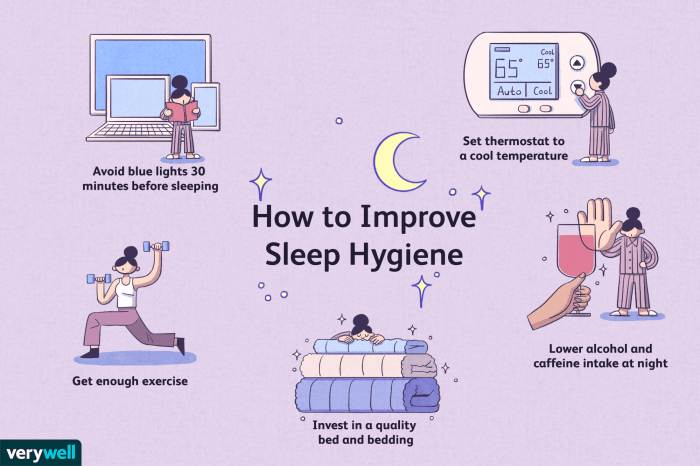
A regular sleep-wake cycle is essential for maintaining good sleep hygiene and managing stress. It helps regulate your body’s natural sleep-wake rhythm, known as the circadian rhythm, promoting consistent sleep patterns and improving sleep quality.
Creating a Regular Sleep-Wake Cycle
Creating a regular sleep-wake cycle involves establishing a consistent bedtime and wake-up time, even on weekends. This helps synchronize your body’s internal clock with the external environment, promoting better sleep quality and reducing stress.
- Choose a Bedtime and Wake-Up Time:Select a bedtime and wake-up time that allows you to get 7-9 hours of sleep each night. This is the recommended amount of sleep for most adults.
- Stick to Your Schedule:Go to bed and wake up at the same time every day, even on weekends. This helps maintain a consistent sleep-wake cycle and prevents disruptions to your circadian rhythm.
- Create a Relaxing Bedtime Routine:Engage in calming activities like taking a warm bath, reading a book, or listening to soothing music for an hour before bed. This signals to your body that it’s time to wind down and prepare for sleep.
- Minimize Screen Time Before Bed:The blue light emitted from electronic devices can interfere with melatonin production, a hormone that regulates sleep. Avoid using screens for at least an hour before bed.
- Create a Sleep-Conducive Environment:Ensure your bedroom is dark, quiet, and cool. A comfortable temperature around 65 degrees Fahrenheit is ideal for sleep.
Benefits of Maintaining a Consistent Sleep Schedule
Maintaining a consistent sleep schedule, even on weekends, offers numerous benefits for both physical and mental well-being.
- Improved Sleep Quality:A regular sleep-wake cycle helps regulate your circadian rhythm, promoting better sleep quality and reducing sleep disturbances.
- Reduced Stress Levels:Sleep deprivation can exacerbate stress and anxiety. Maintaining a consistent sleep schedule helps manage stress levels by ensuring adequate sleep.
- Enhanced Cognitive Function:Getting enough sleep improves cognitive function, including memory, concentration, and decision-making.
- Boosted Immune System:Sleep plays a crucial role in immune function. A consistent sleep schedule strengthens your immune system, making you less susceptible to illness.
- Improved Mood:Adequate sleep is essential for regulating mood and emotions. A consistent sleep schedule can help improve your mood and reduce feelings of irritability and depression.
Sample Sleep Schedule
Here’s a sample sleep schedule that can help you establish a consistent sleep-wake cycle:
| Time | Activity |
|---|---|
| 8:00 PM | Start winding down for bed |
| 8:30 PM | Take a warm bath or shower |
| 9:00 PM | Read a book or listen to relaxing music |
| 9:30 PM | Turn off all electronic devices |
| 10:00 PM | Go to bed |
| 6:00 AM | Wake up |
Creating a Relaxing Bedtime Routine
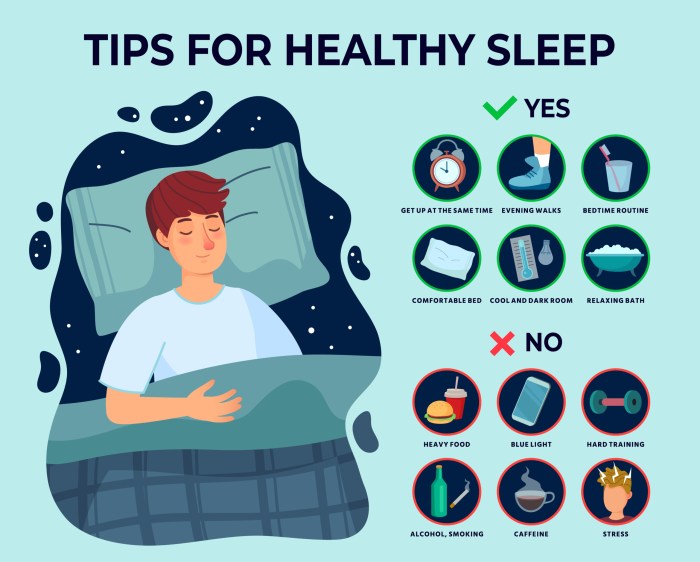
A consistent bedtime routine signals to your body that it’s time to wind down and prepare for sleep. It helps establish a regular sleep-wake cycle, promoting better sleep quality.
Benefits of a Relaxing Bedtime Routine
A relaxing bedtime routine helps prepare your body and mind for sleep. It helps you transition from your day’s activities to a restful state. By creating a predictable and calming routine, you can reduce stress and anxiety, making it easier to fall asleep and stay asleep throughout the night.
Creating a Relaxing Bedtime Routine, Top sleep hygiene practices for managing stress and improving relaxation
Here are some tips for creating a relaxing bedtime routine:
- Dim the Lights:Reduce the amount of blue light exposure from electronic devices. The blue light emitted from phones, tablets, and computers can interfere with melatonin production, a hormone that regulates sleep.
- Warm Bath or Shower:A warm bath or shower can help relax your muscles and lower your body temperature, making it easier to fall asleep.
- Read a Book:Reading a book can help you relax and clear your mind. Choose a book that is calming and engaging, but avoid anything too stimulating or suspenseful.
- Listen to Calming Music:Soft music, nature sounds, or guided meditations can help create a relaxing atmosphere and promote relaxation.
- Practice Deep Breathing or Meditation:These techniques can help slow your heart rate, lower blood pressure, and reduce stress.
- Avoid Caffeine and Alcohol:Caffeine and alcohol can interfere with sleep. Avoid consuming these substances in the hours leading up to bedtime.
- Avoid Heavy Meals Before Bed:A heavy meal can make it difficult to fall asleep.
Benefits of Avoiding Screen Time Before Bed
Screen time before bed can interfere with sleep by:
- Emitting Blue Light:Blue light suppresses melatonin production, which is essential for regulating sleep.
- Stimulating the Brain:The content on screens, such as social media or news, can be stimulating and keep your brain active, making it difficult to fall asleep.
- Interfering with Circadian Rhythm:The blue light emitted from screens can disrupt your body’s natural sleep-wake cycle.
The Role of Relaxation Techniques
Relaxation techniques like deep breathing and meditation can help reduce stress and anxiety, promoting better sleep.
- Deep Breathing:Deep breathing exercises can help slow your heart rate, lower blood pressure, and reduce stress.
- Meditation:Meditation involves focusing your attention on the present moment, which can help calm your mind and reduce racing thoughts.
Optimizing Your Sleep Environment
Creating a sleep-conducive environment is crucial for promoting relaxation and improving sleep quality. It involves optimizing factors like darkness, quietness, and temperature, which directly influence your body’s natural sleep-wake cycle.
The Impact of Light and Noise Pollution on Sleep Quality
Light and noise pollution can significantly disrupt your sleep patterns. Artificial light, especially blue light emitted from electronic devices, can suppress melatonin production, a hormone that regulates sleep-wake cycles. This can lead to delayed sleep onset, reduced sleep duration, and poorer sleep quality.
Similarly, noise pollution, such as traffic noise or loud neighbors, can interrupt sleep and lead to sleep fragmentation.
Creating a Dark, Quiet, and Cool Sleep Environment
- Minimize Light Exposure:Use blackout curtains or blinds to block out streetlights and early morning sunlight. Avoid using electronic devices in the hour before bed, as their blue light can interfere with melatonin production.
- Reduce Noise:Use earplugs or a white noise machine to block out distracting sounds. Consider relocating your bedroom away from noisy areas, if possible.
- Maintain a Cool Temperature:The ideal sleep temperature is around 65 degrees Fahrenheit. Ensure your bedroom is well-ventilated and consider using a fan or air conditioner to maintain a comfortable temperature.
The Importance of a Comfortable Mattress and Pillows
A comfortable mattress and pillows are essential for a restful sleep. The right mattress provides adequate support for your spine and reduces pressure points, while comfortable pillows allow your head and neck to align properly. Consider factors like firmness, material, and size when choosing a mattress and pillows.
Avoiding Caffeine and Alcohol Before Bed
While a good night’s sleep is essential for managing stress and promoting relaxation, certain substances can interfere with your sleep patterns. Caffeine and alcohol, often enjoyed in the evening, can disrupt your sleep cycle and hinder your ability to achieve restful sleep.
The Effects of Caffeine and Alcohol on Sleep
Caffeine and alcohol have distinct effects on sleep. Caffeine is a stimulant that blocks adenosine, a neurotransmitter that promotes sleepiness. Consuming caffeine in the evening can lead to difficulty falling asleep, fragmented sleep, and reduced sleep quality. Alcohol, on the other hand, acts as a sedative, initially inducing sleepiness.
However, alcohol disrupts the sleep cycle, leading to lighter sleep, increased awakenings, and ultimately, poorer sleep quality.
Tips for Minimizing Caffeine and Alcohol Consumption in the Evening
- Limit caffeine intake after noon:This allows your body sufficient time to process caffeine before bedtime.
- Avoid alcohol before bed:While alcohol may initially make you feel sleepy, it disrupts sleep quality later in the night.
- Consider decaffeinated alternatives:Opt for decaffeinated coffee, tea, or herbal infusions in the evening.
- Choose alcohol-free beverages:Explore a variety of non-alcoholic beverages, such as sparkling water, fruit-infused water, or herbal teas.
Alternative Beverages and Relaxation Techniques
- Warm milk:A classic bedtime drink, warm milk contains tryptophan, an amino acid that helps produce serotonin and melatonin, hormones that promote sleep.
- Chamomile tea:Known for its calming effects, chamomile tea can help relax the body and mind, preparing you for sleep.
- Lavender tea:Lavender has a soothing aroma that can promote relaxation and improve sleep quality.
- Deep breathing exercises:Deep, slow breaths can help calm the nervous system and promote relaxation.
- Progressive muscle relaxation:This technique involves tensing and releasing different muscle groups to reduce tension and promote relaxation.
Regular Exercise for Improved Sleep
Regular exercise is not only beneficial for physical health but also plays a crucial role in improving sleep quality. Engaging in physical activity can enhance your sleep patterns, making it easier to fall asleep and stay asleep throughout the night.
Optimal Timing for Exercise
The timing of your exercise routine significantly impacts its effect on your sleep. Exercising too close to bedtime can interfere with your ability to fall asleep, as your body temperature and energy levels may still be elevated. It is generally recommended to avoid intense workouts within 3-4 hours of bedtime.
Instead, consider scheduling your exercise sessions earlier in the day, allowing your body ample time to wind down before sleep.
Moderate-Intensity Exercises for Better Sleep
Moderate-intensity exercises are particularly effective in promoting sleep. These activities elevate your heart rate and breathing but allow you to maintain a conversation while exercising. Some examples of moderate-intensity exercises include:
- Brisk walking
- Cycling
- Swimming
- Dancing
- Gardening
These activities can help regulate your sleep-wake cycle and improve your overall sleep quality.
The Role of Nutrition in Sleep Hygiene
The foods we consume significantly impact our sleep quality. A balanced diet rich in essential nutrients can promote restful sleep, while certain foods can disrupt sleep patterns. Understanding the connection between nutrition and sleep can empower us to make dietary choices that support our sleep hygiene.
Consuming a Balanced Diet for Restful Sleep
A balanced diet plays a crucial role in optimizing sleep quality. It’s essential to include a variety of nutrient-rich foods in our daily meals. Here are some key dietary tips to support restful sleep:
- Prioritize complex carbohydrates:Whole grains, fruits, and vegetables are excellent sources of complex carbohydrates that provide sustained energy throughout the day and can help regulate blood sugar levels, promoting sleepiness at bedtime.
- Include lean protein:Lean protein sources, such as fish, poultry, beans, and lentils, are essential for muscle repair and can aid in promoting relaxation and sleep.
- Consume healthy fats:Foods rich in healthy fats, like avocados, nuts, and seeds, can help regulate hormone production and contribute to a sense of fullness, which can aid in sleep.
- Stay hydrated:Adequate water intake is crucial for overall health and can also contribute to better sleep. Dehydration can lead to disrupted sleep patterns.
Avoiding Heavy Meals Before Bed
While it’s important to consume a balanced diet, it’s equally crucial to avoid heavy meals close to bedtime. Digesting a large meal before bed can strain the digestive system, leading to discomfort and disrupted sleep.
Managing Stress During the Day
Stress is a natural part of life, but chronic stress can have a detrimental impact on your physical and mental well-being. Managing stress throughout the day is crucial for maintaining good sleep hygiene and improving relaxation. Here are some effective strategies for coping with stress:
Exercise for Stress Relief
Regular exercise is a powerful stress reliever. Physical activity releases endorphins, which have mood-boosting effects. Aim for at least 30 minutes of moderate-intensity exercise most days of the week. Engaging in activities you enjoy, such as swimming, dancing, or cycling, can enhance the benefits and make exercise more sustainable.
Meditation and Relaxation Techniques
Meditation and relaxation techniques, such as deep breathing exercises and progressive muscle relaxation, can help calm your mind and body. These practices promote mindfulness, reduce anxiety, and improve sleep quality.
Time Management and Prioritization
Effective time management is essential for reducing stress. Prioritizing tasks, setting realistic goals, and breaking down large projects into smaller, manageable steps can help you feel more in control and reduce feelings of overwhelm.
Seeking Professional Help for Chronic Stress
If you’re struggling to manage stress on your own, seeking professional help from a therapist or counselor is crucial. They can provide support, coping strategies, and evidence-based interventions to address the root causes of your stress and improve your overall well-being.
Last Word: Top Sleep Hygiene Practices For Managing Stress And Improving Relaxation
In conclusion, prioritizing sleep hygiene is crucial for managing stress and enhancing relaxation. By implementing these practices, you can cultivate a healthier sleep pattern, improve your ability to cope with stress, and experience greater emotional well-being. Remember that sleep is an investment in your overall health and happiness, and by making it a priority, you can unlock a more balanced and fulfilling life.
Questions and Answers
What are some quick tips for improving sleep hygiene?
Try creating a relaxing bedtime routine, avoiding screen time before bed, and ensuring a dark, quiet, and cool sleep environment. Regular exercise and a balanced diet can also contribute to better sleep.
How much sleep do I really need?
The amount of sleep needed varies from person to person, but most adults require around 7-9 hours of sleep per night.
Is it okay to take a nap during the day?
Short naps can be beneficial for some individuals, but it’s important to limit them to 20-30 minutes and avoid napping late in the afternoon.
What if I can’t fall asleep?
If you’re struggling to fall asleep, try relaxation techniques like deep breathing or meditation. Avoid caffeine and alcohol before bed, and ensure your bedroom is dark, quiet, and cool.
When should I see a doctor about sleep problems?
If you experience persistent sleep difficulties, daytime sleepiness, or other sleep-related problems, it’s important to consult a doctor to rule out any underlying medical conditions.


More Stories
Top Stress Relief Apps: Tracking & Managing Stress
Maintain Cardiovascular Health: Managing Diabetes & Hypertension
Best Strategies for Managing Stress and Enhancing Healthy Aging