Hydration Importance
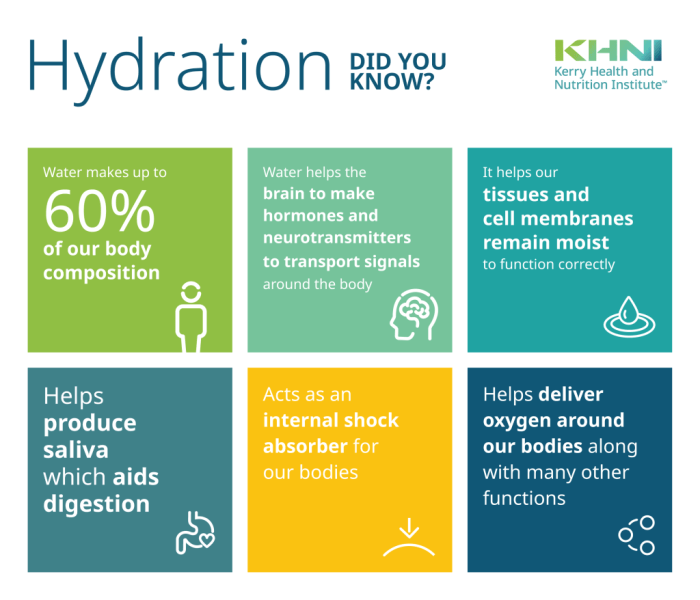
Hydration and its role in reducing fatigue – Hydration plays a crucial role in maintaining overall health and well-being. It is essential for various bodily functions and processes, including regulating body temperature, aiding digestion, and transporting nutrients and oxygen to cells.
Dehydration and Fatigue
When the body is dehydrated, it can lead to feelings of fatigue and tiredness. Dehydration impairs the body’s ability to function efficiently, causing a decrease in energy levels and cognitive function.
Correlation between Hydration and Energy
- Proper hydration is directly linked to energy levels, as water is essential for the body to produce energy.
- Even mild dehydration can result in a noticeable decrease in physical and mental performance.
- Staying hydrated can help maintain optimal energy levels throughout the day.
Recommended Daily Water Intake
It is generally recommended that individuals consume about 8-10 glasses of water per day to stay adequately hydrated. However, factors such as age, weight, activity level, and climate can affect the amount of water needed.
Remember to listen to your body and drink water whenever you feel thirsty to maintain proper hydration levels.
Stress Management
Stress is a common issue that can have a significant impact on overall well-being. One often overlooked aspect of stress management is the role that hydration plays in reducing stress levels.
When you are dehydrated, your body goes into a state of stress, triggering the release of cortisol, a stress hormone. This can lead to increased feelings of anxiety and tension. On the other hand, staying well-hydrated can help regulate cortisol levels and promote a sense of calmness and relaxation.
Benefits of Hydration in Stress Management
- Improved cognitive function: Dehydration can impair cognitive function, making it harder to manage stress effectively. Staying hydrated can help maintain mental clarity and focus during stressful situations.
- Enhanced physical well-being: Dehydration can lead to physical symptoms like headaches and fatigue, which can exacerbate stress. Proper hydration can help alleviate these symptoms and improve overall physical well-being.
- Promotes relaxation: Drinking water can have a calming effect on the body, helping to reduce feelings of stress and promote relaxation. Incorporating hydration into relaxation techniques like deep breathing or meditation can enhance the stress-relief benefits.
Healthy Lifestyle
Hydration plays a crucial role in maintaining a healthy lifestyle as it impacts various bodily functions and overall well-being. By staying properly hydrated, one can ensure optimal physical and mental health.
Hydration Plan for Maintaining Overall Wellness
Developing a hydration plan is essential for maintaining overall wellness. Here is a simple guide to help you stay hydrated throughout the day:
- Start your day with a glass of water to kickstart your hydration.
- Carry a reusable water bottle with you to ensure easy access to water throughout the day.
- Set reminders to drink water at regular intervals, especially if you tend to forget.
- Include hydrating foods and beverages in your diet to supplement your water intake.
- Aim to drink at least 8-10 glasses of water per day to meet your body’s hydration needs.
List of Hydrating Foods and Beverages for a Balanced Diet
Adding hydrating foods and beverages to your diet can help you stay hydrated and maintain overall wellness. Here are some examples of hydrating options:
| Hydrating Foods | Hydrating Beverages |
|---|---|
| Cucumbers | Coconut Water |
| Watermelon | Herbal Teas |
| Oranges | Vegetable Juices |
| Soups (broth-based) | Smoothies |
Medical Innovations
Hydration plays a crucial role in overall health, including reducing fatigue and improving cognitive function. In recent years, medical innovations have focused on developing technologies and methods to track hydration levels effectively, conduct research related to hydration and fatigue, and emphasize the importance of staying hydrated through various interventions.
Technologies for Tracking Hydration Levels
Advancements in medical technology have led to the development of various devices and methods for tracking hydration levels accurately. Some innovative technologies include:
- 1. Smart water bottles equipped with sensors that measure water intake and remind users to drink water regularly.
- 2. Wearable devices such as smartwatches and fitness trackers that monitor hydration levels through sweat analysis and provide real-time feedback.
- 3. Hydration apps that calculate fluid intake based on individual needs and activity levels, helping users stay hydrated throughout the day.
Advancements in Medical Research
Recent medical research has shed light on the connection between hydration and fatigue, leading to new insights and strategies for managing fatigue effectively. Some advancements include:
- 1. Studies exploring the impact of dehydration on cognitive function and performance, highlighting the importance of staying hydrated for optimal brain function.
- 2. Research on the role of electrolytes in hydration and muscle function, providing insights into how proper hydration can prevent muscle fatigue and cramps.
- 3. Clinical trials testing the effectiveness of hydration interventions in reducing fatigue levels in patients with chronic conditions or during high-intensity activities.
Medical Interventions Emphasizing Hydration
Medical professionals have been implementing various interventions to emphasize the importance of hydration in preventing fatigue and improving overall health outcomes. Some examples of medical interventions include:
- 1. IV hydration therapy administered to patients with severe dehydration or electrolyte imbalances to restore fluid balance quickly and effectively.
- 2. Nutritional counseling sessions that educate individuals on the importance of proper hydration and its impact on energy levels and overall well-being.
- 3. Hydration monitoring programs in hospitals and healthcare facilities to ensure patients receive adequate fluids during their recovery process and prevent complications related to dehydration.
Nutritional Supplements
Hydration plays a crucial role in the absorption and effectiveness of nutritional supplements in combating fatigue. Proper hydration ensures that the body can efficiently process and utilize the vitamins and minerals from supplements, leading to improved energy levels and reduced fatigue.
Supplements for Enhanced Hydration and Energy
- Electrolyte Supplements: Electrolytes such as sodium, potassium, and magnesium are essential for maintaining proper hydration levels in the body. These supplements help replenish electrolytes lost through sweat during physical activity, leading to improved hydration and energy levels.
- Hydration Powders: These powders are specifically designed to enhance hydration by providing a balanced mix of electrolytes and carbohydrates. They are easily absorbed by the body and can be consumed before, during, or after exercise to support hydration and energy.
- Omega-3 Fatty Acids: Omega-3 fatty acids have been shown to reduce inflammation and improve overall hydration levels in the body. Incorporating omega-3 supplements into your diet can help maintain optimal hydration and energy levels.
Best Practices for Combining Hydration with Supplements
- Stay Hydrated: It is essential to drink an adequate amount of water throughout the day to support the absorption and effectiveness of nutritional supplements.
- Follow Recommended Dosages: Always adhere to the recommended dosages of supplements to avoid any adverse effects on hydration levels and overall health.
- Time Your Intake: Consider when to take your supplements to maximize their benefits. For example, consuming electrolyte supplements before or after exercise can help maintain hydration levels.
- Consult a Healthcare Professional: If you are unsure about which supplements to take or how to combine them with hydration practices, consult a healthcare professional for personalized advice.
Fitness Routine
Staying hydrated is essential when it comes to maintaining a successful fitness routine. Proper hydration plays a crucial role in optimizing workout performance and enhancing recovery.
Hydration Impact on Exercise Performance
Hydration directly affects exercise performance by regulating body temperature, lubricating joints, and delivering nutrients to cells. Dehydration can lead to decreased endurance, muscle cramps, and fatigue during workouts.
- Drink water before, during, and after exercise to maintain optimal hydration levels.
- Consider electrolyte-rich drinks for intense workouts to replenish lost minerals through sweat.
- Monitor urine color to gauge hydration status – aim for pale yellow to clear urine.
- Hydrate based on the intensity and duration of your workout – adjust water intake accordingly.
Hydration Impact on Workout Recovery
Proper hydration is crucial for facilitating muscle recovery and reducing post-exercise soreness. It helps to transport nutrients to muscles, remove waste products, and restore electrolyte balance.
- Rehydrate with water and electrolyte-rich fluids immediately after exercise to kickstart the recovery process.
- Include hydrating foods like fruits and vegetables in post-workout meals to replenish lost fluids and nutrients.
- Avoid excessive caffeine and alcohol consumption post-workout, as they can dehydrate the body.
- Listen to your body’s thirst cues and drink water regularly throughout the day to support overall recovery.
Hydration Strategies for Different Fitness Activities
Hydration needs can vary depending on the type of exercise you engage in. Tailoring your hydration strategies to different fitness activities can help optimize performance and prevent dehydration-related issues.
| Fitness Activity | Hydration Strategy |
|---|---|
| Cardiovascular Exercise (e.g., running, cycling) | Drink water before and during exercise; consider sports drinks for longer sessions to replenish electrolytes. |
| Strength Training | Stay hydrated throughout the workout; have a protein shake or electrolyte beverage post-workout. |
| Yoga or Pilates | Focus on pre-hydration and post-workout fluid intake; opt for herbal teas or infused water for hydration. |
| High-Intensity Interval Training (HIIT) | Hydrate adequately before and after the workout; include foods with high water content in your post-exercise meal. |
Health Screenings: Hydration And Its Role In Reducing Fatigue
Health screenings play a crucial role in early detection and prevention of various medical conditions. Proper hydration is essential in ensuring the accuracy and reliability of these screenings.
Role of Hydration in Health Screenings
Hydration levels can significantly impact the results of health screenings and diagnostic tests. Adequate hydration helps maintain normal bodily functions and ensures optimal performance of organs and systems involved in the screening process.
Effects of Dehydration on Screening Accuracy
Dehydration can lead to a variety of adverse effects on the body, including reduced blood volume and circulation. This can affect the accuracy of screenings that rely on blood samples or other bodily fluids, potentially resulting in false results or misinterpretation of findings.
Importance of Hydration Before Medical Evaluations
It is crucial to maintain proper hydration before undergoing any medical evaluations or screenings. Hydration ensures that the body is functioning optimally, allowing for more accurate results and reducing the risk of errors due to dehydration-induced physiological changes.
Disease Prevention
Proper hydration is crucial in preventing various diseases as it plays a key role in maintaining overall health and well-being. Dehydration can lead to a range of health issues, including fatigue, which can increase the risk of developing certain diseases. By ensuring adequate hydration, individuals can significantly reduce their susceptibility to these conditions.
Diseases Linked to Dehydration-Induced Fatigue
- Cardiovascular Diseases: Dehydration can strain the heart and lead to increased heart rate and blood pressure, which are risk factors for cardiovascular diseases such as heart attacks and strokes.
- Kidney Stones: Insufficient water intake can result in the formation of kidney stones due to the buildup of minerals in the kidneys. Staying hydrated helps prevent the development of these painful stones.
- Urinary Tract Infections (UTIs): Dehydration can concentrate urine and lead to bacterial growth in the urinary tract, increasing the risk of UTIs. Drinking enough water helps flush out bacteria and prevent infections.
- Digestive Issues: Lack of hydration can slow down the digestive process and contribute to problems like constipation and acid reflux. Proper hydration aids in maintaining healthy digestion.
Preventive Measures through Proper Hydration Practices
- Drink an adequate amount of water throughout the day, aiming for at least 8-10 glasses for most adults.
- Monitor your urine color to ensure it is pale yellow, indicating proper hydration levels.
- Include hydrating foods in your diet, such as fruits and vegetables with high water content.
- Carry a reusable water bottle with you to stay hydrated on the go.
Sleep Hygiene
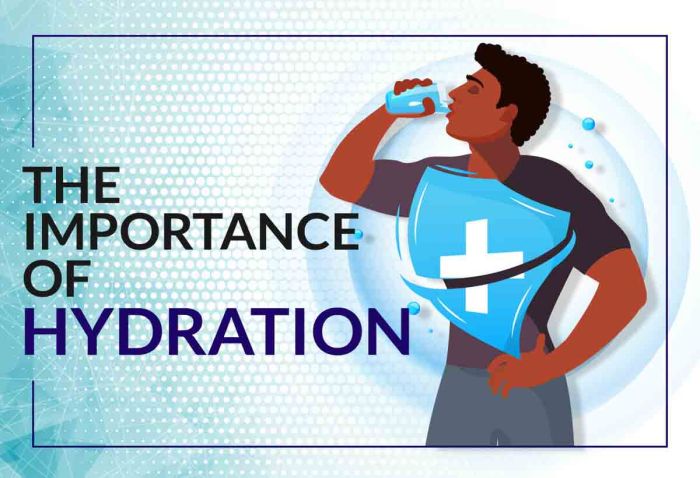
Proper sleep hygiene is essential for overall well-being, and hydration plays a crucial role in ensuring a good night’s rest. Dehydration can disrupt sleep patterns and lead to poor quality of sleep, ultimately impacting our daily performance and overall health.
Connection Between Hydration and Quality of Sleep, Hydration and its role in reducing fatigue
Maintaining adequate hydration levels throughout the day can help regulate neurotransmitters and hormones that are involved in promoting sleep. Dehydration can lead to increased cortisol levels, which can interfere with our ability to fall and stay asleep. By staying hydrated, we can support the body’s natural sleep processes and improve the quality of our rest.
Hydration and Circadian Rhythms
Hydration also plays a role in regulating our circadian rhythms, which are our internal body clocks that control our sleep-wake cycles. Drinking enough water during the day can help maintain the body’s natural rhythm, making it easier to fall asleep at night and wake up feeling refreshed in the morning.
Tips for Optimizing Hydration for Better Sleep Hygiene
- Drink water consistently throughout the day, aiming for at least 8-10 glasses of water.
- Avoid excessive caffeine and alcohol consumption, as they can contribute to dehydration.
- Consider incorporating hydrating foods like fruits and vegetables into your diet.
- Keep a glass of water by your bedside to stay hydrated during the night if needed.
- Monitor your urine color to ensure you are adequately hydrated.
Mental Clarity
Proper hydration plays a crucial role in maintaining cognitive function and mental clarity. Dehydration can have detrimental effects on focus, concentration, and overall brain function, leading to mental fatigue and decreased productivity.
Impact of Hydration on Cognitive Function
Hydration is essential for optimal brain function as the brain is composed of about 73% water. When dehydrated, the brain can shrink in volume, affecting cognitive abilities such as memory, attention, and decision-making.
Examples of Dehydration Impairing Focus
- Decreased short-term memory retention
- Slower reaction times
- Difficulty in problem-solving
Relationship Between Hydration and Mental Fatigue
Staying hydrated helps in reducing mental fatigue by ensuring proper brain function and neurotransmission. Water is essential for transporting nutrients and oxygen to the brain, which are crucial for mental clarity and sustained focus.
Essential FAQs
How does hydration affect stress levels?
Staying hydrated can help regulate stress hormones and improve our ability to cope with stressful situations.
What are some innovative methods for tracking hydration levels?
Technologies like smart water bottles and hydration tracking apps are gaining popularity for monitoring daily water intake.
Can dehydration impact the accuracy of health screenings?
Yes, dehydration can lead to false results in certain health screenings, highlighting the importance of maintaining proper hydration levels.


More Stories
Hydration and its relationship to heart health: The Key to a Healthy Heart
Sleep hygiene techniques for improving sleep efficiency
Disease prevention through smoking cessation programs: A Path to Healthier Living