Hydration Importance
Hydration and its relationship to heart health – Proper hydration plays a crucial role in maintaining heart health by ensuring the body can efficiently circulate blood and deliver oxygen and nutrients to the heart and other organs.
Impact of Dehydration on Heart Function
When dehydrated, the blood becomes thicker, making it harder for the heart to pump blood effectively. This can lead to an increased heart rate, elevated blood pressure, and added strain on the cardiovascular system.
Dehydration can also cause electrolyte imbalances, affecting the heart’s ability to maintain a regular rhythm and function properly. In severe cases, dehydration can even result in heat-related illnesses like heat exhaustion or heat stroke, which can have serious implications for heart health.
Recommended Daily Water Intake for Optimal Heart Health
- On average, adults should aim to drink at least 8-10 cups (64-80 ounces) of water per day to maintain proper hydration levels.
- Individual water needs can vary based on factors like age, weight, activity level, and climate, so it’s essential to listen to your body and adjust your water intake accordingly.
- Staying hydrated not only supports heart health but also helps regulate body temperature, improve digestion, and enhance overall well-being.
Stress Management
Managing stress is crucial for maintaining heart health, as stress can have a direct impact on our hydration levels and overall well-being.
Connection Between Stress, Hydration, and Heart Health
Stress can lead to dehydration as it triggers the release of stress hormones like cortisol, which can increase urine production and water loss. Dehydration, in turn, puts a strain on the heart by making it work harder to pump blood effectively. Therefore, staying hydrated is essential to counteract the effects of stress on the heart.
Techniques for Managing Stress to Support Heart Health Through Hydration
- Practice mindfulness and deep breathing exercises to reduce stress levels and promote relaxation.
- Engage in regular physical activity to release endorphins, which can help alleviate stress and improve mood.
- Stay hydrated throughout the day by drinking water regularly and consuming hydrating foods like fruits and vegetables.
- Avoid excessive caffeine and alcohol consumption, as they can dehydrate the body and worsen stress levels.
Hydration Alleviating Stress-Related Strain on the Heart
Proper hydration can help reduce the impact of stress on the heart by maintaining optimal blood volume and circulation. When the body is well-hydrated, the heart doesn’t have to work as hard to pump blood, easing the strain caused by stress-induced dehydration. Therefore, staying hydrated is a simple yet effective way to support heart health and manage stress more effectively.
Healthy Lifestyle: Hydration And Its Relationship To Heart Health
Living a healthy lifestyle is crucial for maintaining optimal heart health. Hydration plays a significant role in this aspect, as it affects various bodily functions, including the heart’s ability to function efficiently.
Importance of Hydration in a Healthy Lifestyle
Hydration is fundamental for a healthy lifestyle, especially when it comes to heart health. Proper hydration helps maintain blood volume, which is essential for the heart to pump blood effectively throughout the body. Dehydration can lead to a decrease in blood volume, putting strain on the heart and potentially leading to issues like increased heart rate and blood pressure.
- Drink an adequate amount of water throughout the day to stay properly hydrated.
- Avoid excessive consumption of caffeinated or sugary beverages, as they can contribute to dehydration.
- Include hydrating foods in your diet, such as fruits and vegetables with high water content.
- Monitor your hydration levels by paying attention to signs of dehydration, such as dark urine or increased thirst.
Medical Innovations
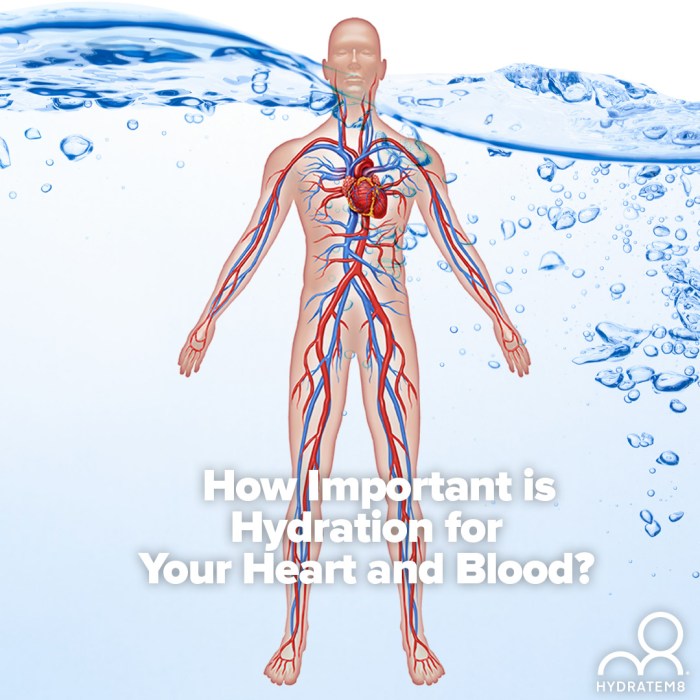
Medical advancements have played a crucial role in improving our understanding of hydration’s impact on heart health. These innovations have led to breakthroughs in monitoring hydration levels for heart patients, ultimately enhancing their overall well-being.
Implantable Sensors
One of the most significant innovations in the field of hydration monitoring for heart patients is the development of implantable sensors. These tiny devices can be placed inside the body to continuously measure hydration levels, providing real-time data to healthcare providers. This technology allows for more accurate and personalized treatment plans for individuals with heart conditions.
Smart Wearable Devices
Smart wearable devices, such as smartwatches and fitness trackers, have also revolutionized hydration monitoring for heart health. These devices can track a variety of metrics, including hydration levels, throughout the day. By syncing this data with smartphone apps, individuals can easily monitor their hydration status and make informed decisions to improve their heart health.
Nutritional Supplements
When it comes to supporting hydration and heart health, nutritional supplements play a significant role in enhancing overall well-being. These supplements can provide essential nutrients that may be lacking in your diet and help improve the efficiency of bodily functions related to hydration and heart function.
Effectiveness of Hydration-Enhancing Supplements on Heart Health
Hydration-enhancing supplements, such as electrolyte powders or tablets, can be effective in maintaining proper fluid balance in the body. By replenishing electrolytes lost through sweat or other activities, these supplements can support heart health by ensuring adequate hydration levels. However, it is essential to choose supplements that are low in added sugars and artificial ingredients to maximize their benefits.
Types of Supplements for Hydration and Heart Function
- Electrolyte Supplements: These supplements contain essential minerals like sodium, potassium, and magnesium, which are crucial for maintaining proper fluid balance in the body and supporting heart function.
- Omega-3 Fatty Acids: Omega-3 supplements, such as fish oil, can help reduce inflammation and support cardiovascular health, contributing to overall heart function.
- Coenzyme Q10 (CoQ10): CoQ10 is a powerful antioxidant that can help improve heart health by supporting energy production in cells and protecting against oxidative stress.
Importance of Consulting Healthcare Professionals
Before incorporating any supplements into your routine for heart health, it is crucial to consult with healthcare professionals, such as your doctor or a registered dietitian. They can provide personalized recommendations based on your individual health needs and ensure that the supplements you choose are safe and effective for supporting hydration and heart function.
Fitness Routine
Staying properly hydrated is essential for maintaining optimal cardiovascular performance during exercise. Dehydration can lead to decreased blood volume, making it harder for the heart to pump blood efficiently to the muscles.
Hydration Impact on Cardiovascular Performance
Hydration plays a crucial role in regulating body temperature and maintaining blood volume, both of which are key for cardiovascular health during workouts. When you’re dehydrated, your heart has to work harder to circulate blood, which can lead to decreased exercise performance and potential risks like heat exhaustion.
Hydration Strategies for Optimizing Heart Health Benefits
- Drink water before, during, and after your workout to ensure adequate hydration levels.
- Monitor your urine color – pale yellow indicates proper hydration, while dark yellow may signal dehydration.
- Consider electrolyte-rich drinks or coconut water to replenish lost minerals during intense exercise sessions.
Examples of Hydration Routines for Heart-Healthy Fitness, Hydration and its relationship to heart health
- Start your day with a glass of water and continue to drink fluids throughout the day to stay hydrated.
- Carry a reusable water bottle with you during workouts to sip on water regularly.
- Incorporate hydrating foods like fruits and vegetables into your meals to supplement your fluid intake.
Health Screenings

Proper hydration plays a crucial role in the accuracy of heart health screenings. By maintaining adequate hydration levels, individuals can ensure more reliable results and better assessments of their heart health.
Hydration Levels and Heart Health Screening Results
- Dehydration can lead to false positives or inaccurate readings in heart health screenings, such as blood pressure measurements or cholesterol levels.
- Well-hydrated individuals are more likely to have consistent and reliable results during health screenings, allowing healthcare providers to make more accurate assessments.
Importance of Maintaining Proper Hydration Before Screenings
- It is essential to drink enough water before health screenings to ensure that hydration levels do not skew the results of tests related to heart health.
- Healthcare providers often recommend hydrating properly before screenings to avoid misinterpretations of heart health indicators.
Healthcare Providers’ Consideration of Hydration in Heart Health Evaluations
- Doctors and medical professionals take into account a patient’s hydration status when evaluating heart health, as it can impact the accuracy of test results and overall assessment.
- Hydration is considered a crucial factor in determining the true state of an individual’s heart health and helps healthcare providers make informed decisions regarding treatment and prevention.
Disease Prevention
Hydration plays a crucial role in preventing heart-related diseases by maintaining blood volume, regulating body temperature, and aiding in nutrient transport. Dehydration can lead to increased heart rate, reduced blood flow, and higher blood viscosity, all of which can strain the cardiovascular system.
Impact of Hydration on Various Cardiovascular Conditions
Proper hydration levels can have different impacts on various cardiovascular conditions:
- High Blood Pressure: Adequate hydration helps maintain blood volume and lower blood pressure, reducing the risk of hypertension.
- Heart Attack: Dehydration can increase the risk of blood clot formation, leading to a higher chance of heart attacks. Proper hydration can prevent this by ensuring blood flow and viscosity are optimal.
- Stroke: Dehydration can contribute to the formation of blood clots, which can travel to the brain and cause a stroke. Staying hydrated reduces this risk.
Preventative Measures Focusing on Hydration for Reducing Heart Disease Risks
Implementing specific measures related to hydration can help reduce the risks of heart diseases:
- Drink an adequate amount of water daily, aiming for at least 8-10 glasses to maintain hydration levels.
- Avoid excessive consumption of dehydrating beverages like alcohol and caffeinated drinks.
- Include water-rich foods in your diet, such as fruits and vegetables, to supplement hydration.
- Monitor your hydration levels by checking urine color; a pale yellow color indicates proper hydration.
Sleep Hygiene
Proper sleep hygiene is essential for overall health, especially when it comes to heart health. The relationship between hydration, sleep quality, and heart health is significant as adequate hydration can positively impact the quality of our sleep, ultimately benefiting the heart.
Maintaining Hydration Levels Before Bedtime
- Avoid consuming large amounts of fluids close to bedtime to prevent frequent trips to the bathroom during the night, which can disrupt sleep.
- Stay hydrated throughout the day to avoid feeling thirsty at night, but be mindful of excessive fluid intake before bed.
- Opt for water over caffeinated or alcoholic beverages in the evening, as they can interfere with sleep quality and hydration levels.
Importance of Adequate Hydration for Restful Sleep
Hydration plays a vital role in promoting restful sleep, which is crucial for a healthy heart. Dehydration can lead to discomfort, making it harder to fall and stay asleep. Proper hydration supports the body’s natural processes during sleep, allowing for optimal rest and recovery.
Mental Clarity
Maintaining proper hydration is essential for cognitive function and mental clarity. Dehydration can lead to decreased focus, memory issues, and overall cognitive decline, impacting not only productivity but also mental well-being. The brain is made up of mostly water, and staying hydrated ensures optimal brain function.
Influence of Hydration on Cognitive Function
- Hydration plays a crucial role in maintaining the balance of neurotransmitters in the brain, which are essential for communication between brain cells.
- Dehydration can lead to decreased cognitive abilities, impacting decision-making, problem-solving, and overall mental performance.
- Proper hydration helps in regulating mood and reducing stress, which are important factors in cognitive function.
Connection Between Mental Clarity, Hydration, and Heart Health
- Optimal hydration not only benefits cognitive function but also indirectly supports heart health by reducing stress levels and promoting overall well-being.
- Staying hydrated helps in maintaining a healthy blood flow, which is crucial for heart health and overall cardiovascular function.
- Dehydration can lead to increased stress on the heart, as the blood becomes thicker and harder to pump, potentially leading to cardiovascular issues.
Strategies for Staying Hydrated to Enhance Mental Clarity
- Drink an adequate amount of water throughout the day, aiming for at least 8-10 glasses of water daily.
- Include water-rich foods in your diet, such as fruits and vegetables, to supplement your hydration needs.
- Carry a reusable water bottle with you to remind yourself to drink water regularly, especially during busy days.
- Set reminders or use apps to track your water intake and ensure you are meeting your hydration goals for the day.
FAQ Resource
How does hydration affect heart health?
Hydration plays a crucial role in maintaining heart health by supporting proper cardiovascular function and circulation.
What is the recommended daily water intake for optimal heart health?
The general recommendation is to drink at least 8 glasses of water per day to ensure adequate hydration for a healthy heart.
Can dehydration impact heart function?
Yes, dehydration can strain the heart and lead to decreased blood volume, affecting its ability to pump effectively.
How does stress relate to hydration and heart health?
Stress can impact hydration levels and in turn, affect heart health by increasing the risk of cardiovascular issues.
Are there specific hydration routines for optimizing heart health benefits during workouts?
Hydration routines during exercise should focus on maintaining electrolyte balance and adequate fluid intake to support heart health.


More Stories
Hydration and its role in reducing fatigue – Stay Refreshed, Stay Energized!
Sleep hygiene techniques for improving sleep efficiency
Disease prevention through smoking cessation programs: A Path to Healthier Living