Stress Management
Stress management is crucial for reducing anxiety and improving mental clarity. When stress levels are high, it can negatively impact our ability to think clearly and make decisions. Here are some effective techniques to manage stress and alleviate anxiety:
Mindfulness Practices
Mental clarity techniques for anxiety relief – Mindfulness practices can help manage stress levels by bringing awareness to the present moment and reducing the impact of negative thoughts. Some examples of mindfulness practices include:
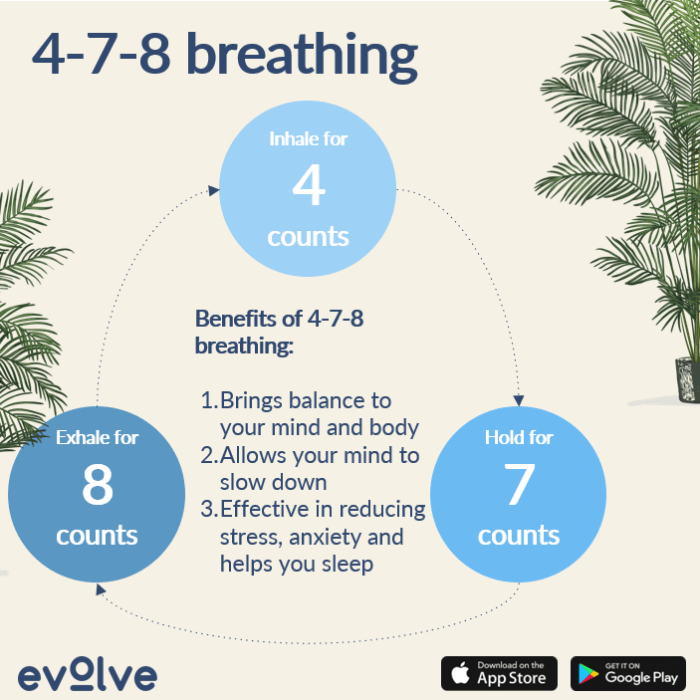
- Deep breathing exercises: Take slow, deep breaths to calm the mind and body.
- Meditation: Spend a few minutes each day meditating to quiet the mind and reduce stress.
- Yoga: Practice yoga to combine movement and mindfulness for stress relief.
- Gratitude journaling: Write down things you are grateful for to shift your focus to positive aspects of life.
- Body scan meditation: Focus on each part of your body, releasing tension and promoting relaxation.
Healthy Lifestyle
A healthy lifestyle plays a crucial role in promoting mental clarity and providing relief from anxiety. By incorporating habits that support overall well-being, individuals can better manage stress and improve their mental health.
Regular Exercise
Engaging in regular physical activity is essential for maintaining mental well-being. Exercise helps release endorphins, also known as feel-good hormones, which can reduce feelings of anxiety and improve mood.
- Cardiovascular exercises like running, swimming, or cycling can help reduce stress levels and increase overall mental clarity.
- Strength training exercises can also be beneficial in boosting self-confidence and providing a sense of accomplishment.
Balanced Diet
A balanced diet plays a significant role in promoting mental health by providing essential nutrients that support brain function and overall well-being.
- Include a variety of fruits, vegetables, whole grains, lean proteins, and healthy fats in your diet to ensure you are getting all the necessary nutrients for optimal brain health.
- Avoid excessive consumption of processed foods, sugary snacks, and caffeine, as these can negatively impact mental clarity and exacerbate feelings of anxiety.
Medical Innovations
Medical innovations have played a crucial role in advancing treatments and therapies for anxiety relief, ushering in a new era of mental health care.
Innovative Treatments and Therapies
Advancements in medical science have led to the development of innovative treatments and therapies for anxiety relief. These include:
- Virtual Reality Therapy: Using VR technology to create immersive environments that help individuals confront and manage their anxiety triggers in a controlled setting.
- Transcranial Magnetic Stimulation (TMS): A non-invasive procedure that uses magnetic fields to stimulate nerve cells in the brain, showing promise in treating anxiety disorders.
- CBD-based Treatments: Cannabidiol (CBD) products have gained popularity for their potential calming effects on anxiety symptoms, offering a natural alternative for those seeking relief.
Advancements in Mental Health Technology
Technological innovations have revolutionized mental health care, providing new tools and resources to enhance mental clarity and well-being. Some notable advancements include:
- Mobile Apps for Anxiety Management: Various apps offer mindfulness exercises, breathing techniques, and cognitive behavioral therapy tools to help individuals manage anxiety on-the-go.
- Neurofeedback Devices: Wearable devices that monitor brain activity and provide real-time feedback, assisting individuals in regulating their brain waves for improved mental focus and relaxation.
- Teletherapy Services: Online platforms connecting individuals with mental health professionals for virtual therapy sessions, making mental health support more accessible and convenient.
Revolutionizing Anxiety Management
Medical breakthroughs have fundamentally transformed the landscape of anxiety management, offering new hope and possibilities for individuals struggling with anxiety disorders. These advancements have paved the way for personalized and effective treatment approaches, ultimately improving the overall quality of mental health care.
Nutritional Supplements
Incorporating key nutritional supplements can play a crucial role in supporting mental clarity and alleviating anxiety symptoms. These supplements can provide essential nutrients that may be lacking in our diet, helping to maintain optimal brain function and emotional well-being.
Vitamins for Mental Well-being
Vitamins such as B-complex vitamins (B6, B12, folate), vitamin D, and vitamin C are known to support mental health and cognitive function. These vitamins play a vital role in neurotransmitter synthesis, nerve function, and overall brain health. Incorporating these vitamins through supplements can help reduce stress and improve mood.
Minerals for Anxiety Relief
Minerals like magnesium, zinc, and iron are important for regulating mood and reducing anxiety levels. Magnesium, in particular, is known for its calming effects on the nervous system and can help relax both the mind and body. Zinc and iron deficiencies have also been linked to increased anxiety symptoms, making supplementation crucial for mental well-being.
Omega-3 Fatty Acids for Brain Health
Omega-3 fatty acids, specifically EPA and DHA found in fish oil supplements, are essential for brain health and cognitive function. These fatty acids have been shown to reduce inflammation in the brain, improve neurotransmitter function, and support overall mental clarity. Incorporating omega-3 supplements can help enhance mood and reduce symptoms of anxiety.
Fitness Routine: Mental Clarity Techniques For Anxiety Relief
Regular physical exercise plays a crucial role in reducing anxiety and improving mental clarity. The connection between physical activity and mental health has been well-documented, with exercise triggering the release of endorphins, which are known as the body’s natural mood elevators.
Benefits of Physical Exercise for Anxiety Relief
- Cardiovascular exercises like running, cycling, or swimming help reduce stress hormones and increase endorphin levels, promoting a sense of well-being.
- Strength training exercises such as weightlifting or bodyweight exercises can boost confidence and self-esteem, reducing symptoms of anxiety.
- Yoga and Pilates combine physical movement with mindfulness and deep breathing techniques, helping to calm the mind and reduce anxiety levels.
Health Screenings
Regular health screenings play a crucial role in maintaining overall well-being, including mental health. These screenings help in early detection of potential issues and pave the way for timely intervention to address any concerns related to mental clarity and anxiety disorders.
Importance of Regular Health Screenings
- Health screenings can identify risk factors or symptoms of mental health conditions that may go unnoticed otherwise.
- Early detection through screenings allows for prompt treatment and management of anxiety disorders, preventing escalation of symptoms.
- Regular screenings contribute to a proactive approach to healthcare, leading to better overall mental well-being.
Impact of Preventive Healthcare on Mental Clarity
- Preventive measures, such as health screenings, help in maintaining mental clarity by addressing any underlying health issues that could impact cognitive function.
- By staying proactive with regular screenings, individuals can take necessary steps to prevent or manage conditions that may affect their mental health.
- Preventive healthcare promotes overall well-being and supports mental clarity through early detection and intervention strategies.
Disease Prevention
Preventing diseases is crucial not only for physical health but also for mental well-being. The strategies and practices aimed at disease prevention can have a significant impact on reducing anxiety and promoting overall mental clarity.
Chronic Diseases and Anxiety
Chronic diseases such as heart disease, diabetes, and cancer are often linked to increased levels of anxiety and stress. The constant management of these conditions, along with the potential complications they bring, can take a toll on mental health. By focusing on preventive measures for these diseases, individuals can also alleviate anxiety symptoms and improve their mental well-being.
- Regular Exercise: Engaging in physical activity not only helps prevent chronic diseases but also releases endorphins that can reduce anxiety levels.
- Healthy Diet: Eating a balanced diet rich in nutrients can boost the immune system and reduce the risk of developing various diseases, thereby alleviating anxiety related to health concerns.
- Stress Management Techniques: Practicing stress-relief methods such as meditation, deep breathing, and mindfulness can help prevent the onset of chronic diseases while also promoting mental clarity.
Holistic Approaches to Health
Adopting a holistic approach to health involves addressing physical, mental, and emotional well-being as interconnected aspects of overall wellness. By integrating practices that support both physical and mental health, individuals can prevent diseases and reduce anxiety in a comprehensive manner.
- Yoga and Meditation: These practices not only improve physical health but also enhance mental clarity and reduce stress, contributing to disease prevention and anxiety relief.
- Herbal Remedies and Supplements: Natural remedies can support the body’s immune system and overall health, offering a holistic approach to disease prevention and mental well-being.
- Mind-Body Therapies: Techniques such as acupuncture, massage therapy, and aromatherapy can help maintain balance in the body and mind, preventing diseases while also promoting mental health.
Sleep Hygiene
Good sleep hygiene plays a crucial role in managing anxiety and enhancing mental clarity. By establishing a healthy sleep routine, individuals can support their mental well-being and overall quality of life. Poor sleep can have detrimental effects on mental health, but there are ways to address these consequences.
Tips for Establishing a Healthy Sleep Routine
- Avoid caffeine and electronics before bedtime to promote relaxation.
- Create a comfortable sleep environment with a cool temperature and minimal noise.
- Stick to a consistent sleep schedule by going to bed and waking up at the same time every day.
- Engage in relaxing activities before bed, such as reading or taking a warm bath.
- Avoid heavy meals and vigorous exercise close to bedtime.
Consequences of Poor Sleep on Mental Health
Poor sleep can lead to increased anxiety, irritability, poor concentration, and impaired decision-making skills.
Poor sleep can exacerbate existing mental health conditions and make it challenging to cope with daily stressors. Addressing sleep issues is essential for maintaining optimal mental well-being.
Mental Clarity
Mental clarity is the state of having a clear and focused mind, free from distractions and confusion. It plays a crucial role in overall well-being as it allows individuals to make sound decisions, manage stress effectively, and enhance productivity in various aspects of life.
Techniques for Enhancing Mental Clarity
- Practice mindfulness meditation: Engaging in mindfulness meditation can help calm the mind, improve focus, and reduce anxiety levels.
- Get regular exercise: Physical activity releases endorphins, which can boost mood and cognitive function, leading to improved mental clarity.
- Limit distractions: Create a conducive environment by minimizing distractions such as noise, clutter, and interruptions to enhance mental focus.
- Stay organized: Keeping a to-do list, prioritizing tasks, and maintaining a clutter-free space can contribute to mental clarity and reduce feelings of overwhelm.
- Get enough sleep: Adequate rest is essential for cognitive function and mental clarity, so prioritize quality sleep to optimize brain function.
Impact of Mental Clarity on Productivity and Stress Management
Having mental clarity can significantly improve productivity by allowing individuals to focus on tasks, make informed decisions, and problem-solve effectively. It also plays a crucial role in stress management as a clear mind can better cope with challenges, reduce anxiety levels, and maintain a sense of calm amidst chaos.
Hydration Importance
Proper hydration plays a crucial role in supporting mental health and clarity. Dehydration can have significant effects on cognitive function and anxiety levels, making it essential to prioritize staying adequately hydrated.
Effects of Dehydration, Mental clarity techniques for anxiety relief
- Dehydration can lead to decreased cognitive performance, affecting memory, concentration, and decision-making abilities.
- Low fluid intake can also trigger feelings of anxiety and stress, exacerbating mental health issues.
- Dehydration may result in mood swings, irritability, and difficulty handling emotions effectively.
Tips for Staying Hydrated
- Carry a reusable water bottle with you throughout the day to ensure easy access to water.
- Set reminders or establish a routine to drink water regularly, aiming for at least 8-10 glasses per day.
- Incorporate hydrating foods like fruits and vegetables into your diet to supplement your water intake.
- Avoid excessive consumption of caffeinated or sugary beverages, as they can contribute to dehydration.
- Monitor your urine color as a simple indicator of hydration levels – pale yellow to clear urine is a good sign.
FAQ Overview
How do stress management techniques help in reducing anxiety?
Stress management techniques such as deep breathing exercises and meditation can help lower cortisol levels and promote relaxation, reducing anxiety symptoms.
What is the role of exercise in maintaining mental well-being?
Regular exercise releases endorphins, the feel-good hormones, which can elevate mood and reduce anxiety, contributing to better mental health.
How do health screenings contribute to early intervention for anxiety disorders?
Health screenings can detect underlying issues that may contribute to anxiety disorders, allowing for timely intervention and treatment.
Why is hydration important for mental clarity?
Proper hydration is essential for brain function, as dehydration can impair cognitive abilities and increase anxiety levels.


More Stories
Cultivating Emotional Well-being Through Mindfulness and Self-Care
Healthy lifestyle tips for mental health: Enhancing well-being through holistic practices