Importance of regular lung health screenings
Regular lung health screenings play a crucial role in maintaining overall well-being and preventing the development of serious lung diseases. Early detection through routine screenings can significantly increase the chances of successful treatment and management.
Significance of Early Detection
Early detection of lung diseases such as lung cancer, chronic obstructive pulmonary disease (COPD), and pulmonary fibrosis can lead to more effective treatment outcomes. Regular screenings can help identify any abnormalities or changes in lung health before symptoms become apparent, allowing for prompt intervention and improved prognosis.
Monitoring Lung Health
Regular lung health screenings enable healthcare providers to monitor changes in lung function over time. This monitoring is essential for individuals at risk of developing lung diseases due to factors such as smoking, environmental exposures, or genetic predisposition. By tracking lung health through screenings, healthcare professionals can implement preventive measures and personalized treatment plans to manage any potential issues proactively.
Benefits of Routine Lung Health Check-ups
Studies have shown that routine lung health screenings can lead to early detection of lung cancer, resulting in higher survival rates. According to the American Lung Association, annual screenings for individuals at high risk of lung cancer can reduce mortality by 20%. Additionally, early detection of COPD through regular screenings can help slow disease progression and improve quality of life for patients.
Stress Management
Stress can have a significant impact on lung health, as it can lead to the exacerbation of respiratory conditions such as asthma and chronic obstructive pulmonary disease (COPD). When individuals are under stress, they tend to breathe more rapidly and shallowly, which can trigger symptoms in those with existing lung issues. Therefore, managing stress is crucial for maintaining optimal lung function and overall health.
Strategies for Managing Stress
- Avoiding triggers: Identify sources of stress in your life and try to minimize or eliminate them whenever possible. This could involve setting boundaries, saying no to extra responsibilities, or seeking support from friends and family.
- Regular exercise: Physical activity can help reduce stress levels and improve lung function. Engaging in activities like yoga, walking, or swimming can be beneficial for both mind and body.
- Deep breathing exercises: Practicing deep breathing techniques can help calm the mind and body, reducing stress and promoting better breathing patterns. Techniques such as diaphragmatic breathing or pursed lip breathing can be particularly helpful.
- Mindfulness and meditation: Mindfulness practices can help individuals stay present in the moment and reduce anxiety levels. Meditation techniques can also aid in relaxation and stress relief.
- Seeking professional help: If stress becomes overwhelming or unmanageable, don’t hesitate to reach out to a mental health professional for support and guidance. Therapy or counseling can provide valuable tools for coping with stress.
Complementing Regular Screenings with Stress Reduction Techniques
Regular lung health screenings are essential for early detection of any potential issues, but incorporating stress reduction techniques into your routine can further enhance the benefits. By managing stress effectively, individuals can support their lung health and overall well-being, leading to better health outcomes in the long run. It’s important to prioritize self-care and adopt healthy coping strategies to maintain a balanced and healthy lifestyle.
Healthy Lifestyle
Maintaining a healthy lifestyle is crucial for optimal lung health. By making positive lifestyle choices, individuals can support their lung function and enhance the effectiveness of lung screenings.
Role of Healthy Lifestyle in Lung Health
- Regular exercise: Physical activity helps improve lung function and capacity, promoting better oxygen circulation throughout the body.
- Healthy diet: Consuming a balanced diet rich in fruits, vegetables, and lean proteins can provide essential nutrients that support lung health.
- Hydration: Staying well-hydrated helps keep the mucous membranes in the lungs moist, aiding in the removal of toxins and bacteria.
- Avoiding smoking and secondhand smoke: Tobacco smoke can severely damage the lungs, leading to respiratory issues and diseases.
Impact of Healthy Habits on Lung Screenings
- Maintaining a healthy lifestyle can reduce the risk of developing respiratory conditions, making lung screenings more effective in detecting potential issues early.
- Healthy habits such as regular exercise and a balanced diet can improve overall lung function, leading to more accurate screening results.
- By avoiding harmful substances like tobacco smoke, individuals can preserve their lung health and ensure the success of screenings in monitoring any changes over time.
Medical Innovations
Medical technology has made significant advancements in diagnosing lung conditions, leading to improved early detection rates and better outcomes for patients. Innovative screening methods are now being used to identify lung issues at earlier stages, allowing for prompt treatment and management. Let’s explore some cutting-edge tools used in lung health screenings.
Advancements in Diagnosing Lung Conditions
- Computed Tomography (CT) Scans: CT scans provide detailed images of the lungs, allowing healthcare providers to detect abnormalities such as tumors, nodules, or inflammation.
- Pulmonary Function Tests (PFTs): PFTs measure how well the lungs are functioning by assessing lung capacity, airflow, and gas exchange. This helps in diagnosing conditions like asthma, COPD, and pulmonary fibrosis.
- Bronchoscopy: This procedure involves inserting a thin, flexible tube with a camera into the airways to visualize the lungs and take tissue samples for biopsy. It aids in diagnosing lung cancer, infections, or other respiratory issues.
Nutritional Supplements
Importance of regular lung health screenings – When it comes to maintaining optimal lung health, nutrition plays a crucial role. Nutritional supplements can provide essential vitamins and minerals that support lung function and overall respiratory health. In conjunction with regular screenings, incorporating specific supplements into your diet can help improve lung function and prevent potential respiratory issues.
Link between Nutrition and Lung Health
Eating a well-balanced diet rich in fruits, vegetables, whole grains, and lean proteins is important for lung health. Certain nutrients have been linked to improved respiratory function, such as vitamins C and E, omega-3 fatty acids, and antioxidants. These nutrients can help reduce inflammation in the lungs and strengthen the immune system to ward off respiratory infections.
Recommended Supplements for Lung Function
- Vitamin C: Known for its antioxidant properties, vitamin C can help reduce oxidative stress in the lungs and support immune function.
- Vitamin D: Deficiency in vitamin D has been linked to respiratory issues, so supplementing with vitamin D can improve lung health.
- Omega-3 fatty acids: Found in fish oil supplements, omega-3 fatty acids have anti-inflammatory effects that can benefit lung function.
- Magnesium: Helps relax the muscles in the airways, making it easier to breathe for individuals with respiratory conditions.
Role of Dietary Supplements in Conjunction with Regular Screenings
While regular lung health screenings are essential for early detection of respiratory issues, incorporating dietary supplements can provide additional support for lung function. These supplements can help reduce inflammation, strengthen the immune system, and improve overall respiratory health. It is important to consult with a healthcare provider before starting any new supplement regimen to ensure they are safe and appropriate for your individual needs.
Fitness Routine
Regular exercise plays a crucial role in maintaining healthy lungs by improving lung function, increasing respiratory efficiency, and enhancing overall lung capacity. Incorporating a fitness routine into your lifestyle can significantly benefit your lung health and overall well-being.
Lung-Friendly Exercises
- Cardiovascular exercises such as brisk walking, running, cycling, and swimming help strengthen the heart and lungs, improving oxygen flow throughout the body.
- Yoga and Pilates focus on deep breathing techniques, promoting better lung expansion and strengthening respiratory muscles.
- Strength training exercises like weightlifting and resistance training can enhance lung capacity and endurance by improving overall physical fitness.
Complementing Lung Health Screenings
Regular exercise not only improves lung health but also complements lung health screenings by providing a proactive approach to maintaining respiratory strength. A fitness routine can help identify any potential lung issues early on, allowing for timely intervention and treatment. By incorporating lung-friendly exercises into your fitness regimen, you can enhance the effectiveness of lung health screenings and ensure optimal respiratory function.
Health Screenings
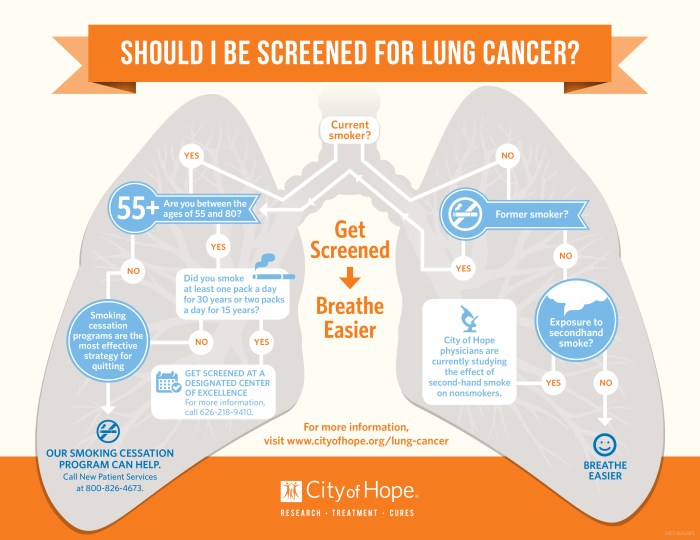
Regular lung health screenings are essential for detecting potential issues early on and maintaining overall respiratory function. There are several types of screenings available for assessing lung health, each offering unique benefits depending on the individual’s needs and risk factors.
Types of Lung Health Screenings
- 1. Pulmonary Function Test (PFT): A PFT is a common test used to measure how well the lungs are working by assessing lung capacity, airflow, and gas exchange.
- 2. Chest X-ray: Chest X-rays can help detect abnormalities in the lungs such as tumors, infections, or other conditions.
- 3. CT Scan: A CT scan provides detailed images of the lungs, allowing for a more comprehensive evaluation of lung health and early detection of issues.
Benefits of Different Screening Methods
- Pulmonary Function Test: Ideal for assessing lung function and diagnosing conditions like asthma, COPD, and lung fibrosis.
- Chest X-ray: Useful for detecting abnormalities such as tumors, infections, and lung nodules.
- CT Scan: Offers detailed imaging for early detection of lung cancer, pulmonary embolism, and other serious conditions.
Frequency of Lung Health Screenings
Regular lung health screenings should be scheduled based on individual risk factors and overall health. Those with a history of smoking, exposure to environmental toxins, or respiratory conditions may require more frequent screenings. Generally, it is recommended to undergo lung health screenings annually or as advised by a healthcare provider to ensure early detection and timely intervention if needed.
Disease Prevention
Regular lung health screenings are essential for disease prevention, but there are also preventive measures that can further reduce the risk of lung diseases. Early detection through screenings plays a crucial role in identifying potential issues before they escalate. Lifestyle changes can also aid in preventing lung conditions by promoting overall respiratory health.
Preventive Measures
- Avoid smoking and exposure to secondhand smoke, as smoking is the leading cause of lung disease.
- Maintain a healthy weight through balanced nutrition and regular exercise to support lung function.
- Practice good hygiene to prevent respiratory infections, such as washing hands frequently and avoiding close contact with sick individuals.
- Ensure proper ventilation in living and working spaces to reduce exposure to pollutants and allergens.
Role of Early Detection
Regular lung health screenings can detect potential issues at an early stage, allowing for prompt intervention and treatment. This early detection can significantly impact disease progression and improve outcomes for individuals at risk of developing lung conditions.
Lifestyle Changes for Prevention
- Incorporate regular physical activity into your routine to strengthen respiratory muscles and improve lung capacity.
- Follow a diet rich in fruits, vegetables, whole grains, and lean proteins to support overall lung health.
- Avoid exposure to environmental toxins, such as air pollution and chemical fumes, to protect lung function.
- Practice stress management techniques, such as deep breathing exercises and meditation, to reduce the impact of stress on respiratory health.
Sleep Hygiene
Sleep plays a crucial role in overall health, including lung health. Quality sleep is essential for respiratory function as it allows the body to repair and rejuvenate, supporting the immune system and promoting optimal lung function.
Impact of Sleep Quality on Lung Health, Importance of regular lung health screenings
Poor sleep quality can weaken the immune system, making individuals more susceptible to respiratory infections and conditions such as asthma and COPD. Inadequate rest can also lead to inflammation in the airways, affecting lung function and overall respiratory health.
Tips for Improving Sleep Hygiene
- Avoid caffeine and heavy meals close to bedtime.
- Establish a bedtime routine and stick to a consistent sleep schedule.
- Create a comfortable and relaxing sleep environment.
- Avoid screens and electronic devices before bed.
- Engage in relaxation techniques such as deep breathing or meditation.
Correlation Between Adequate Rest and Lung Health Screenings
Adequate rest is essential for the effectiveness of lung health screenings. Quality sleep ensures that the body is in optimal condition for accurate screenings, allowing healthcare providers to detect potential respiratory issues early on. Prioritizing sleep hygiene can support the success of lung health screenings and overall respiratory wellness.
Mental Clarity
Mental clarity plays a crucial role in our overall well-being, including the health of our lungs. The connection between mental health and respiratory function is intricate and worth exploring to ensure holistic health.
The Impact of Mental Clarity on Respiratory Function
Enhanced mental clarity can positively influence respiratory function by reducing stress and anxiety levels. When our minds are clear and focused, our breathing patterns tend to be more controlled and efficient.
Reduced stress can lead to improved lung function and better oxygen exchange in the body.
Strategies for Enhancing Mental Clarity
- Practice mindfulness and meditation to calm the mind and reduce mental clutter.
- Engage in regular physical exercise to boost endorphin levels and improve cognitive function.
- Ensure adequate sleep to allow the brain to rest and recharge, promoting mental clarity.
- Stay hydrated and maintain a balanced diet rich in nutrients to support brain health.
- Avoid multitasking and focus on one task at a time to improve concentration and mental clarity.
Hydration Importance
Maintaining proper hydration is crucial for overall health, including the health of your lungs. Adequate hydration helps keep the mucosal lining in your respiratory system moist, which is essential for efficient lung function and the prevention of respiratory issues.
Role of Hydration in Respiratory Health
- Hydration supports the natural cleansing process of the lungs by promoting the production of mucus, which helps trap dust, bacteria, and other harmful particles.
- Proper hydration also helps in thinning out the mucus, making it easier to expel from the airways and reducing the risk of infections.
- Dehydration can lead to dry airways, making it harder for the lungs to function optimally and increasing the likelihood of respiratory problems.
Guidelines for Staying Hydrated
- Drink at least 8-10 glasses of water per day, and more if you are physically active or in hot weather.
- Avoid excessive intake of caffeinated or alcoholic beverages, as they can dehydrate the body.
- Eat water-rich foods like fruits and vegetables to supplement your fluid intake.
Hydration Levels and Lung Health Screenings
Proper hydration ensures that the mucus in your airways is at an optimal consistency, which can impact the accuracy of lung health screenings.
- Dehydration can lead to thicker mucus, potentially affecting the results of lung function tests or imaging studies.
- By staying adequately hydrated, you can help ensure that your lung health screenings provide accurate information about the condition of your respiratory system.
Answers to Common Questions
How often should I get a lung health screening?
It is recommended to discuss the frequency with your healthcare provider based on your risk factors and medical history.
Are lung health screenings only for smokers?
No, screenings are beneficial for everyone to monitor lung health regardless of smoking history.
Do lung health screenings involve radiation exposure?
Some screening methods may involve minimal radiation, but the benefits of early detection usually outweigh this risk.


More Stories
Hydration and its role in reducing fatigue – Stay Refreshed, Stay Energized!
Hydration and its relationship to heart health: The Key to a Healthy Heart
Sleep hygiene techniques for improving sleep efficiency