Stress Management

Stress management is a crucial aspect of mental health that can significantly impact an individual’s overall well-being. Mental health screenings play a pivotal role in identifying stress levels and providing appropriate interventions to manage stress effectively.
Effective Stress Management Techniques
- Regular exercise: Physical activity has been shown to reduce stress levels by releasing endorphins, also known as the “feel-good” hormones.
- Mindfulness and meditation: Practicing mindfulness techniques and meditation can help individuals stay present and reduce anxiety and stress.
- Healthy eating habits: Consuming a balanced diet rich in nutrients can support overall mental health and reduce stress.
- Seeking social support: Building strong social connections and talking to friends, family, or a therapist can provide emotional support during stressful times.
- Setting boundaries: Learning to say no and prioritize tasks can help reduce overwhelming stress levels and promote a sense of control.
Importance of Addressing Stress
Importance of mental health screenings – Addressing stress is essential for maintaining good mental health. Chronic stress can lead to various mental health issues such as anxiety and depression if left unmanaged. By actively managing stress through effective techniques, individuals can improve their overall mental well-being and quality of life.
Healthy Lifestyle
Regular mental health screenings play a crucial role in promoting a healthy lifestyle. By identifying potential issues early on, individuals can take proactive steps to address them and maintain their overall well-being. Lifestyle choices have a significant impact on mental health screening results, influencing the risk of developing mental health conditions or the effectiveness of treatment options. Therefore, focusing on diet, exercise, and self-care is essential in ensuring good mental health.
Role of Diet
Maintaining a balanced and nutritious diet is key to supporting mental health. Foods rich in essential nutrients, such as omega-3 fatty acids, vitamins, and minerals, can help regulate mood and reduce the risk of mental health disorders. Avoiding excessive intake of processed foods, sugar, and caffeine can also contribute to better mental well-being.
Role of Exercise
Regular physical activity is closely linked to improved mental health outcomes. Exercise releases endorphins, neurotransmitters that promote feelings of happiness and reduce stress and anxiety. Incorporating activities like walking, running, yoga, or strength training into daily routines can have a positive impact on mental health screening results.
Role of Self-Care
Self-care practices, such as mindfulness, meditation, and adequate sleep, are essential for maintaining good mental health. Taking time to relax, unwind, and prioritize self-care activities can improve overall well-being and resilience to stress. Engaging in hobbies, spending time with loved ones, and setting boundaries to avoid burnout are also crucial aspects of self-care in promoting positive mental health outcomes.
Medical Innovations
In recent years, technological advancements have revolutionized mental health screenings, making them more accessible and efficient than ever before.
Impact of Telemedicine
Telemedicine has played a significant role in improving the accessibility of mental health screenings. Through telehealth platforms, individuals can now undergo mental health assessments remotely, eliminating barriers such as transportation or scheduling conflicts. This has made it easier for individuals in rural or underserved areas to receive the care they need.
Examples of Innovative Tools
- Virtual Reality (VR) Therapy: VR technology is being used in mental health screenings to simulate real-life scenarios and help individuals confront their fears or triggers in a controlled environment.
- Mobile Apps: There are now numerous mobile applications available that offer mental health screenings and assessments, allowing individuals to monitor their mental well-being from the comfort of their own homes.
- Artificial Intelligence (AI) Algorithms: AI algorithms are being used to analyze large amounts of data collected during mental health screenings, helping to identify patterns and trends that may indicate potential mental health issues.
Nutritional Supplements
Nutritional supplements play a crucial role in supporting mental health alongside other aspects of well-being. They provide essential vitamins, minerals, and nutrients that can help improve mood, reduce stress, and support overall mental wellness.
Relationship Between Nutritional Supplements and Mental Health
Nutritional supplements can help fill in the gaps in our diet, especially when we may not be getting enough essential nutrients from food alone. For example, omega-3 fatty acids found in fish oil supplements have been linked to reducing symptoms of depression and anxiety. Similarly, vitamin D supplements are known to have a positive impact on mood and mental health.
Role of Supplements in Supporting Mental Health Screenings
In the context of mental health screenings, nutritional supplements can complement other treatment methods and therapies. They can help regulate neurotransmitters in the brain, improve cognitive function, and enhance overall mental well-being. By incorporating supplements into a comprehensive mental health plan, individuals may experience improved outcomes and overall mental wellness.
Commonly Recommended Supplements for Mental Well-being
- Omega-3 fatty acids: Found in fish oil supplements, these essential fats can help reduce symptoms of depression, anxiety, and improve overall brain function.
- Vitamin D: Known as the “sunshine vitamin,” vitamin D is crucial for mood regulation and mental health. Taking supplements can be beneficial, especially for individuals with limited sun exposure.
- Magnesium: This mineral is involved in over 300 biochemical reactions in the body, including neurotransmitter function. Supplementing with magnesium can help reduce stress, anxiety, and improve sleep quality.
- B vitamins: B vitamins, such as B6, B12, and folate, play a key role in brain health and neurotransmitter production. They can help support mood regulation, cognitive function, and overall mental well-being.
Fitness Routine: Importance Of Mental Health Screenings
Regular physical activity plays a crucial role in maintaining good mental health. Engaging in a fitness routine can have a positive impact on mental health screenings by reducing stress, improving mood, and boosting overall well-being.
Examples of Fitness Routines
- Cardiovascular exercises such as jogging, cycling, or swimming can help release endorphins, also known as “feel-good” hormones, which can alleviate symptoms of anxiety and depression.
- Strength training exercises like weightlifting or bodyweight exercises can improve self-esteem and confidence, leading to a more positive outlook on life.
- Yoga and Pilates focus on mindfulness, breathing techniques, and stretching, promoting relaxation and reducing stress levels.
Benefits of Incorporating Exercise into Mental Health Screenings
Physical activity can improve cognitive function, enhance sleep quality, and increase energy levels, all of which contribute to better mental health outcomes.
Regular exercise can also help individuals cope with challenges, build resilience, and improve their ability to manage stress effectively.
Health Screenings
Health screenings play a crucial role in maintaining overall well-being, including mental health. It is essential to prioritize mental well-being just as much as physical health.
Types of Screenings
- Depression Screening: Helps in identifying symptoms of depression and assessing the severity of the condition.
- Anxiety Screening: Evaluates the presence of anxiety disorders and helps in determining appropriate treatment.
- Post-Traumatic Stress Disorder (PTSD) Screening: Assists in recognizing trauma-related symptoms and providing necessary support.
- Bipolar Disorder Screening: Aids in detecting signs of bipolar disorder for early intervention and management.
Process and Importance
Undergoing a mental health screening typically involves answering a series of questions related to your emotions, behaviors, and mental state. It is a valuable tool for healthcare professionals to assess an individual’s mental well-being and provide appropriate care.
Mental health screenings can help in early detection of mental health issues, leading to timely interventions and improved outcomes.
Disease Prevention
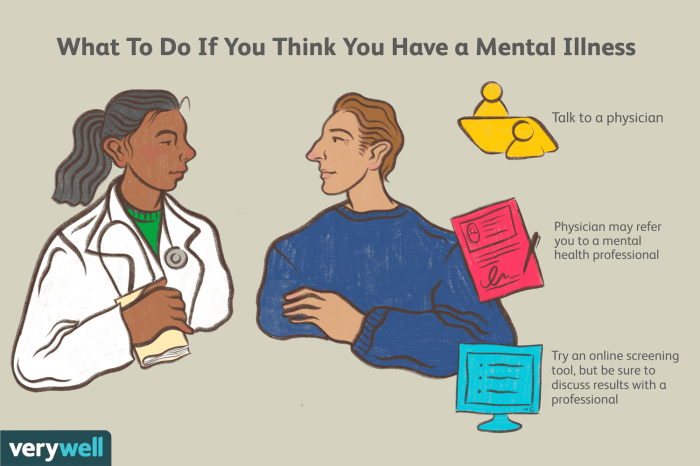
Regular mental health screenings play a crucial role in disease prevention by identifying potential issues early on and allowing for timely intervention and management.
Contribution to Disease Prevention
- Mental health screenings help in early detection of conditions like depression, anxiety, and PTSD, which if left untreated, can lead to physical health problems such as heart disease, diabetes, and obesity.
- Identifying and addressing mental health issues promptly can also reduce the risk of developing chronic conditions like hypertension and autoimmune disorders.
- Screenings can lead to the implementation of preventive measures, lifestyle changes, and therapy that can significantly lower the chances of developing serious illnesses.
Examples of Diseases Prevented or Managed
- Depression screenings can help prevent suicides, reduce the risk of substance abuse, and lower the incidence of cardiovascular diseases.
- Anxiety screenings can prevent the exacerbation of panic disorders, reduce the likelihood of gastrointestinal problems, and improve overall quality of life.
- PTSD screenings can aid in preventing self-harm, decrease the chances of developing chronic pain conditions, and improve immune system function.
Sleep Hygiene
Having good sleep hygiene is crucial for maintaining optimal mental health. The quality and quantity of your sleep can significantly impact the results of mental health screenings.
Impact of Sleep Hygiene on Mental Health Screening Results
Poor sleep hygiene can lead to symptoms that may resemble mental health disorders, such as anxiety and depression. This can potentially skew the results of mental health screenings, making it challenging to accurately assess your mental well-being.
Importance of Adequate Sleep for Mental Well-being
Adequate sleep is essential for your mental well-being as it allows your brain to rest and recharge. Lack of sleep can contribute to mood swings, irritability, and difficulty concentrating, all of which can affect your mental health negatively.
Tips for Improving Sleep Hygiene
- Establish a consistent sleep schedule by going to bed and waking up at the same time every day, even on weekends.
- Create a relaxing bedtime routine to signal to your body that it’s time to wind down, such as reading a book or taking a warm bath.
- Avoid stimulants like caffeine and electronic devices close to bedtime, as they can interfere with your ability to fall asleep.
- Ensure your sleep environment is conducive to rest, with a comfortable mattress, pillows, and a cool, dark room.
- If you’re struggling with sleep, consider seeking help from a healthcare professional to address any underlying issues.
Mental Clarity
Maintaining mental clarity is crucial during mental health screenings as it can significantly impact the accuracy of the results obtained. Mental clarity refers to the state of having a clear and focused mind, free from distractions or mental fog. It allows individuals to process information effectively and make sound decisions, which is essential during screenings to ensure accurate assessment of mental health.
Role of Mental Clarity in Mental Health Screenings
- Clear thinking: Mental clarity enables individuals to think clearly and provide accurate responses to screening questions, leading to more precise results.
- Focus: Being mentally clear helps individuals stay focused during the screening process, reducing the likelihood of errors or misunderstandings.
Impact of Mental Clarity on Screening Results
- Accurate assessment: Mental clarity enhances the accuracy of screening results by ensuring that individuals can express their thoughts and emotions clearly.
- Prevention of misdiagnosis: Mental clarity reduces the risk of misdiagnosis by enabling healthcare professionals to make informed decisions based on reliable information.
Strategies for Enhancing Mental Clarity during Screenings
- Practice mindfulness: Engaging in mindfulness techniques such as deep breathing or meditation can help improve mental clarity and focus.
- Get adequate rest: Prioritize quality sleep to enhance cognitive function and mental clarity during screenings.
- Stay hydrated: Drinking enough water throughout the day can help maintain mental clarity and prevent cognitive fatigue.
- Avoid distractions: Minimize distractions during screenings by finding a quiet and comfortable environment to focus on the assessment.
Hydration Importance
Proper hydration is essential for overall health, including mental well-being. Dehydration can have a significant impact on mental health, affecting mood, cognition, and overall brain function.
Connection between Hydration and Mental Health Screenings
Dehydration can lead to cognitive impairment, making it difficult for individuals to concentrate, remember information, and even affect their mood. This can directly impact the results of mental health screenings, leading to inaccurate assessments.
Impact of Dehydration on Mental Health Assessment Outcomes
– Dehydration can cause symptoms such as fatigue, irritability, and confusion, which may be misinterpreted during mental health evaluations.
– Lack of proper hydration can also exacerbate symptoms of anxiety and depression, making it challenging for healthcare professionals to accurately assess an individual’s mental health status.
Tips for Maintaining Proper Hydration Levels, Importance of mental health screenings
- Drink an adequate amount of water throughout the day, aiming for at least 8-10 glasses.
- Include hydrating foods in your diet, such as fruits and vegetables with high water content.
- Carry a reusable water bottle with you to ensure easy access to water at all times.
- Avoid excessive consumption of dehydrating beverages like alcohol and caffeinated drinks.
- Monitor your hydration levels by paying attention to thirst cues and the color of your urine.
Key Questions Answered
How often should mental health screenings be conducted?
Mental health screenings should ideally be conducted annually or as recommended by healthcare professionals based on individual risk factors.
Can mental health screenings detect all mental health conditions?
While mental health screenings are valuable tools, they may not detect all conditions. It’s essential to combine screenings with ongoing communication with healthcare providers.
Are mental health screenings covered by insurance?
Many insurance plans cover mental health screenings as part of preventive care services. It’s advisable to check with your insurance provider for specific coverage details.
What should I expect during a mental health screening?
During a mental health screening, you can expect questions about your mental health history, current symptoms, and lifestyle habits. It’s important to answer honestly to receive appropriate care.
How can I prepare for a mental health screening?
Preparing for a mental health screening involves being open and honest about your mental health concerns, symptoms, and any relevant information that can help healthcare providers make an accurate assessment.


More Stories